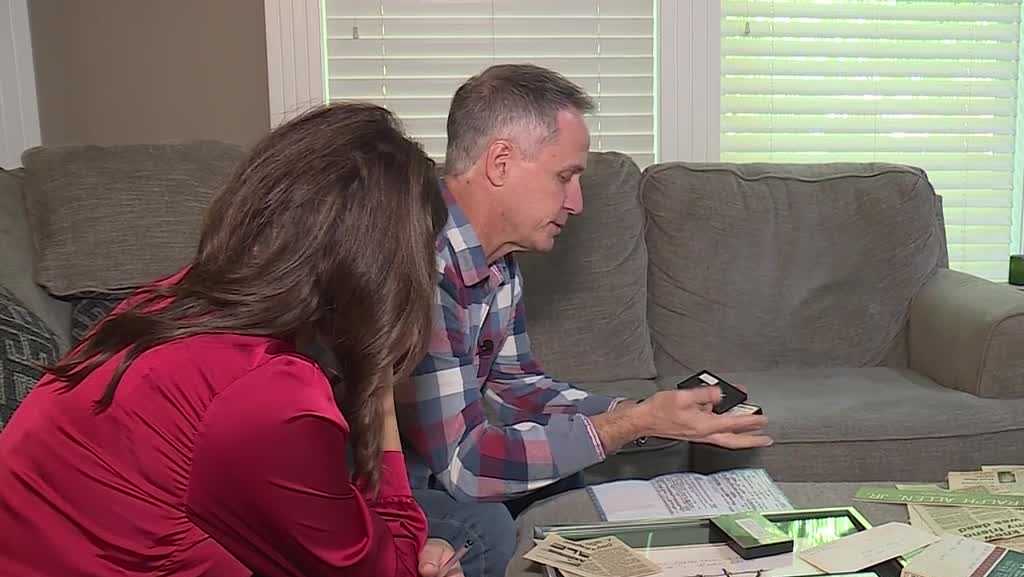
“Everybody from that era is kind of their JFK or their 9/11.”
For the people of Wichita, Kansas, that singular point of trauma happened on August 11, 1976. In just 11 minutes, a 19-year-old man perched on the 26th floor of the Holiday Inn opened fire on strangers below with two firearms. The attack left three people dead and eight others wounded, leaving a scar on the city’s psyche that has lasted half a century. Now, 50 years later, a new documentary titled Long Echo is attempting to examine the aftermath of that terror.
This isn’t a typical true-crime exercise. While the world is currently obsessed with the forensics of “whodunnit,” Long Echo focuses on the “what happened next.” The film explores the healing journeys of survivors and the families of the deceased, asking whether forgiveness is possible five decades after a random act of violence. It shifts the lens away from the mechanics of the crime and toward the mental health struggles and memoirs of those left behind.
A Chaplain’s View of the Shooter
The documentary’s creator, Kevin Patrick Allen, had a unique vantage point. He was only eight years old when the shooting occurred, but his father, Ralph H. Allen Jr., served as the chaplain for the Sedgwick County Jail and two nearby prisons. Through his father’s work, Allen gained a window into the humanity of the shooter, Michael Soles, who is currently serving a life sentence at the Winfield Correctional Facility.
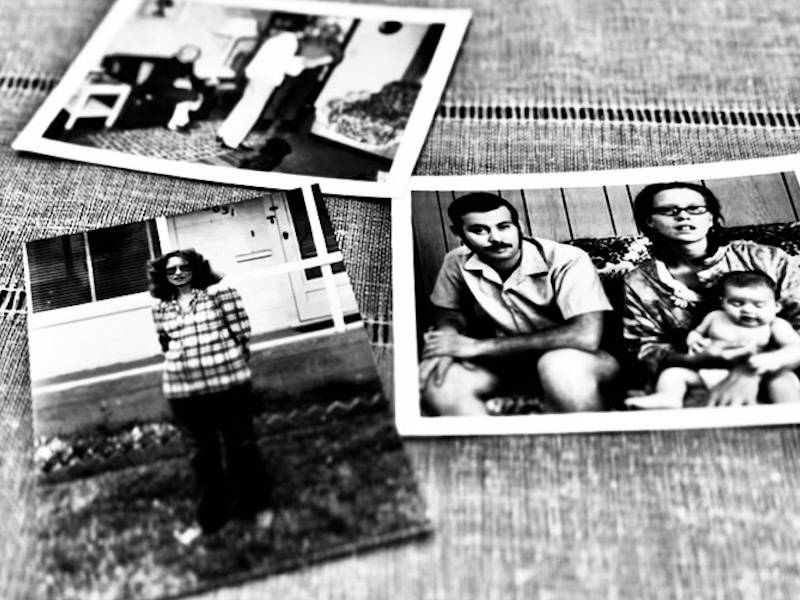
Ralph Allen Jr. refused to reduce Soles to a single label, maintaining a relationship with him for years. This philosophy—that understanding a person requires looking at the time before, between, and after a specific event—became the blueprint for the film. In the documentary, Soles claims he does not fully remember the events of that day, alleging that voices told him to go to a high place.
The stakes here are deeply personal. For the families involved, the “long echo” is the persistence of grief. By revisiting the tragedy, Allen suggests that while that day was the worst moment of their lives, it doesn’t have to be the thing that defines them fifty years later.
From Local History to the Screen
The project brought together a blend of personal connection and academic rigor. Derek Landwehr, a graduate student at Wichita State University, served as the director of photography. For Landwehr, the fascination began as a child visiting the Wichita RiverFest, staring up at the 26-story building—then the tallest in Kansas until 1987—that is now known as 250 Douglas Place in the Garvey Center. According to wichita.edu, Landwehr’s interest in local community history was fostered under the mentorship of Dr. Jay Price, a professor of history at WSU.
Landwehr intentionally avoided sensationalism, opting for close-up shots to capture the raw emotion on the faces of the participants. The goal was to create a collection of memoirs rather than a police report. By focusing on the human face of the tragedy, the filmmakers hope to provide a more nuanced understanding of how a community recovers from a sudden, inexplicable act of violence.
The Complexity of Forgiveness
There is a tension inherent in any project that gives a platform to a mass shooter, even 50 years later.
Long Echo debuted on August 11 to mark the 50th anniversary of the shooting. It is available for viewing via KPTS (PBS Kansas Channel 8) and is streaming at www.longechofilm.com.
“I think it’s important to go back to get the full story to give them a chance to share what they want to share.”



