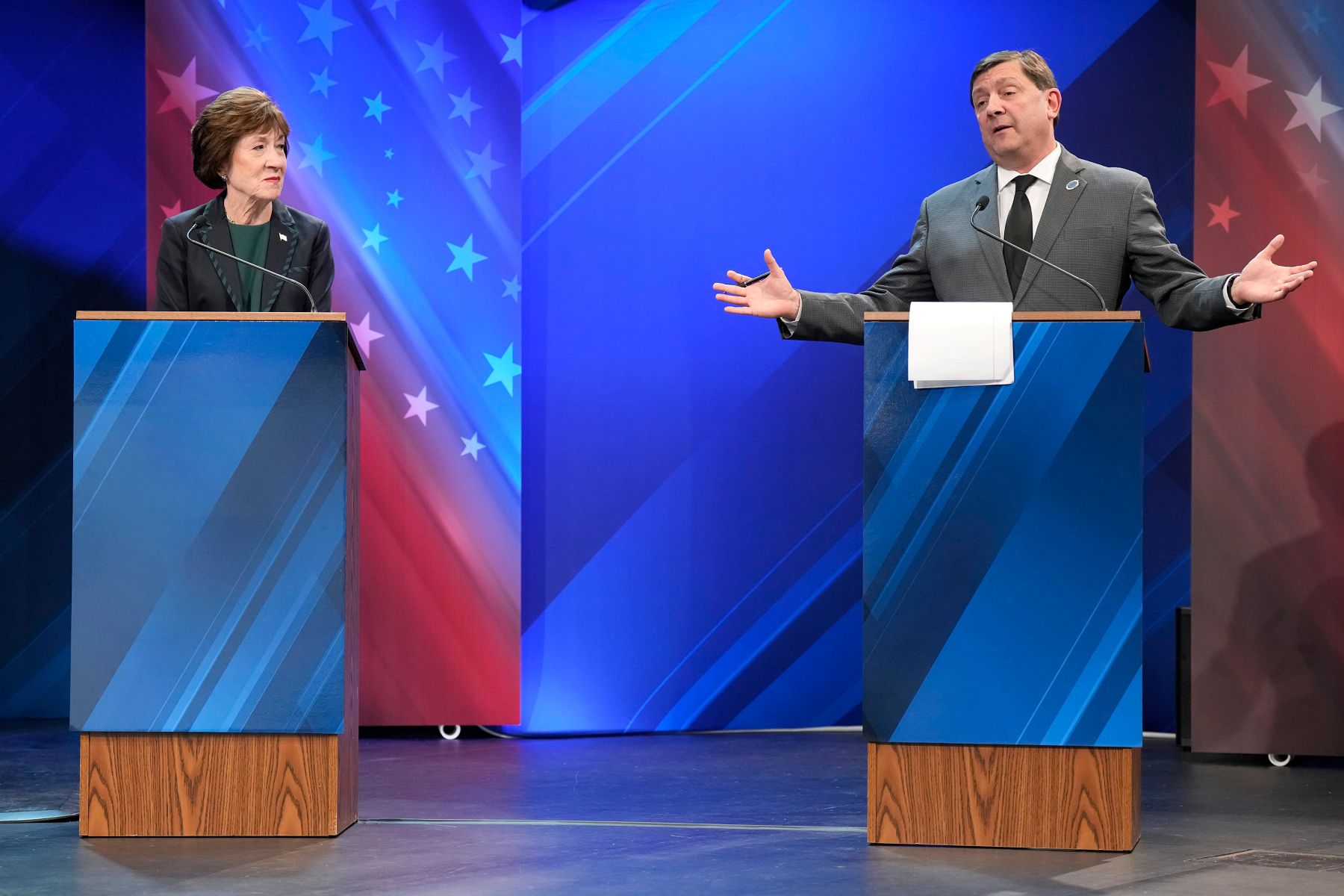
Maine’s battle for a U.S. Senate seat has devolved into a high-stakes argument over how people keep their homes warm, with incumbent Republican Sen. Susan Collins and Democratic challenger Troy Jackson trading blame for skyrocketing energy bills. The race, currently a statistical tie, centers on a stark choice for voters: whether to double down on fossil fuel production or accelerate a transition to clean energy as the state faces a brutal winter of affordability crises.
The stakes are immediate and financial. According to reporting by The Maine Monitor, the cost of heating fuel has surged over 80 percent in just one year. For the roughly half of Maine households that rely on fuel oil, the average cost to heat a home this winter is expected to exceed $4,000. This spike is directly tied to the blockage of the Strait of Hormuz following the U.S.-Israel initiation of war with Iran in February.
It’s time we had a working-class person in the U.S. Senate who knows what a cord of wood costs—and what it takes to pay for it in Donald Trump and Susan Collins' economy. pic.twitter.com/8lPzkauryE
Troy Jackson Links Sen. Collins to Fuel Price Spikes
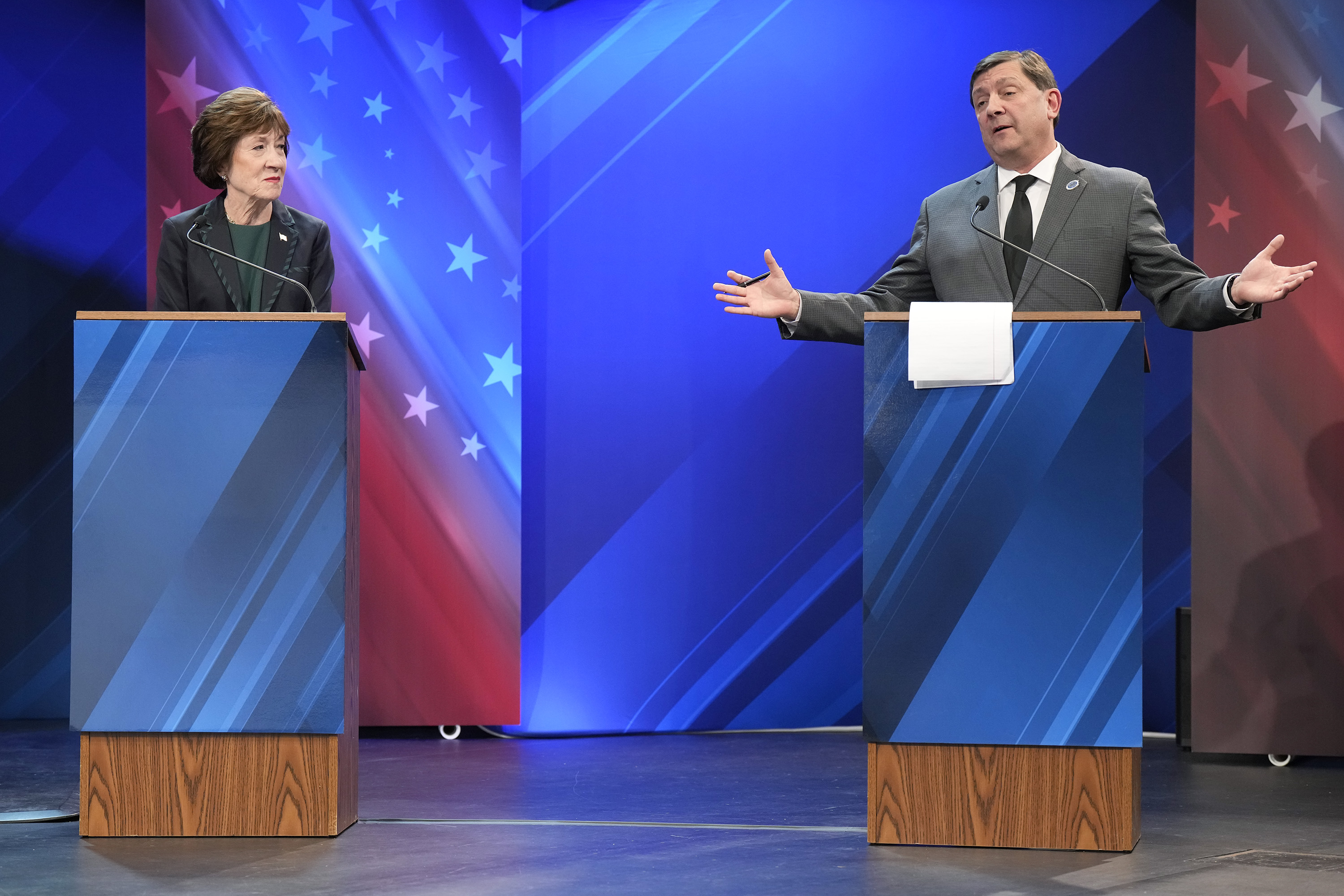
During four October debates, Troy Jackson relentlessly linked Sen. Collins to the geopolitical instability driving these prices. Jackson pointed to five specific votes Collins cast against resolutions to bring troops home during the early months of the conflict. Collins countered by citing the 1973 War Powers Resolution, arguing that the president has wide discretion during the first 60 days of overseas conflicts. While she has since voted nine times in favor of ending the war, the damage to the pump and the fuel tank is already done.
Collins attempted to pivot by criticizing the Trump administration’s lack of foresight, stating in the third debate that the President should have anticipated the closure of the Strait of Hormuz. She also highlighted her efforts to release national reserves and expedite financial support for low-income Mainers. However, the broader economic picture is complicated by the 2025 budget law, which stripped away consumer tax credits for heat pumps and electric vehicles—tools that would have allowed more families to ditch expensive oil entirely.
Collins Blames State Policies for Rising Electricity Rates
When Jackson attacked the cost of oil, Collins volleyed back with the rising cost of electricity, blaming state policies enacted under Jackson’s former leadership in the state Senate. She specifically targeted “net energy billing,” a program that requires utilities to buy power from rooftop and community solar arrays at guaranteed prices.
The numbers behind this argument are a matter of significant dispute. Collins argued that the program unfairly benefits wealthy homeowners who can afford solar panels while raising rates for everyone else. Data prepared for the state Public Utilities Commission shows that the program cost Maine ratepayers $193 million on net in 2025. A move to eliminate the program entirely could have saved the average household $275 per year, according to the state’s Public Advocate.
But the “solar tax” may be a distraction from larger systemic failures. Heather Sanborn, Maine’s current public advocate, found that net energy billing explains only about 14 percent of the increase in electric bills since 2020. The real drivers are far more daunting:
| Cost Driver | Impact on Bill Increase |
|---|---|
| Electricity Supply Costs | 45% |
| Infrastructure (Poles, Wires, Storm Repair) | 27% |
| Net Energy Billing | 14% |
Lack of Pipeline Infrastructure Drives New England Supply Costs
The 45 percent spike in supply costs is largely a result of New England’s reliance on natural gas and a chronic lack of pipeline infrastructure. Sanborn noted that when the U.S. natural gas system struggles, “New England gets the flu,” due to constrained pipelines in neighboring New York and Massachusetts.
“If we still want to aim for a 2 degrees [Celsius] change in global mean temperature…then we certainly need to start changing our energy sources as soon as possible and moving towards net zero as soon as possible,” says Karen McKinnon, a climate scientist at UCLA.
Voter Opinions Remain Unchanged Despite Intense Candidate Debates
Despite the intensity of the debates, it remains unclear if either candidate has actually moved the needle with voters. Mark Brewer, chair of the Political Science Department at the University of Maine, noted there is little indication that the exchanges have shifted public opinion.
Several critical gaps remain in the candidates’ platforms. Jackson has yet to state whether he would support the federal permitting reforms currently being debated in Congress—reforms that Collins argues are essential for energy stability. While Jackson blamed high electricity prices on the Iran War during the debates, analysts point out that those price increases began years before the conflict started, a point Jackson's campaign has declined to address.
More on Senate
Mainers are paying more for energy costs. They deserve a senator who fights for them. Unlike Susan Collins, @TroyJackson207 answers to the people of Maine—not Trump or Big Oil billionaires. https://t.co/Pds96ZF5CD



