“In West Virginia, I’m sorry, but that won’t cut it.” Those were the words of Hampshire County landowner Lance Evans during Wednesday’s testimony before the Public Service Commission (PSC), where the Mid Atlantic Resiliency Link (MARL) project faced scrutiny over its land acquisition tactics and the restrictive terms of its property agreements.
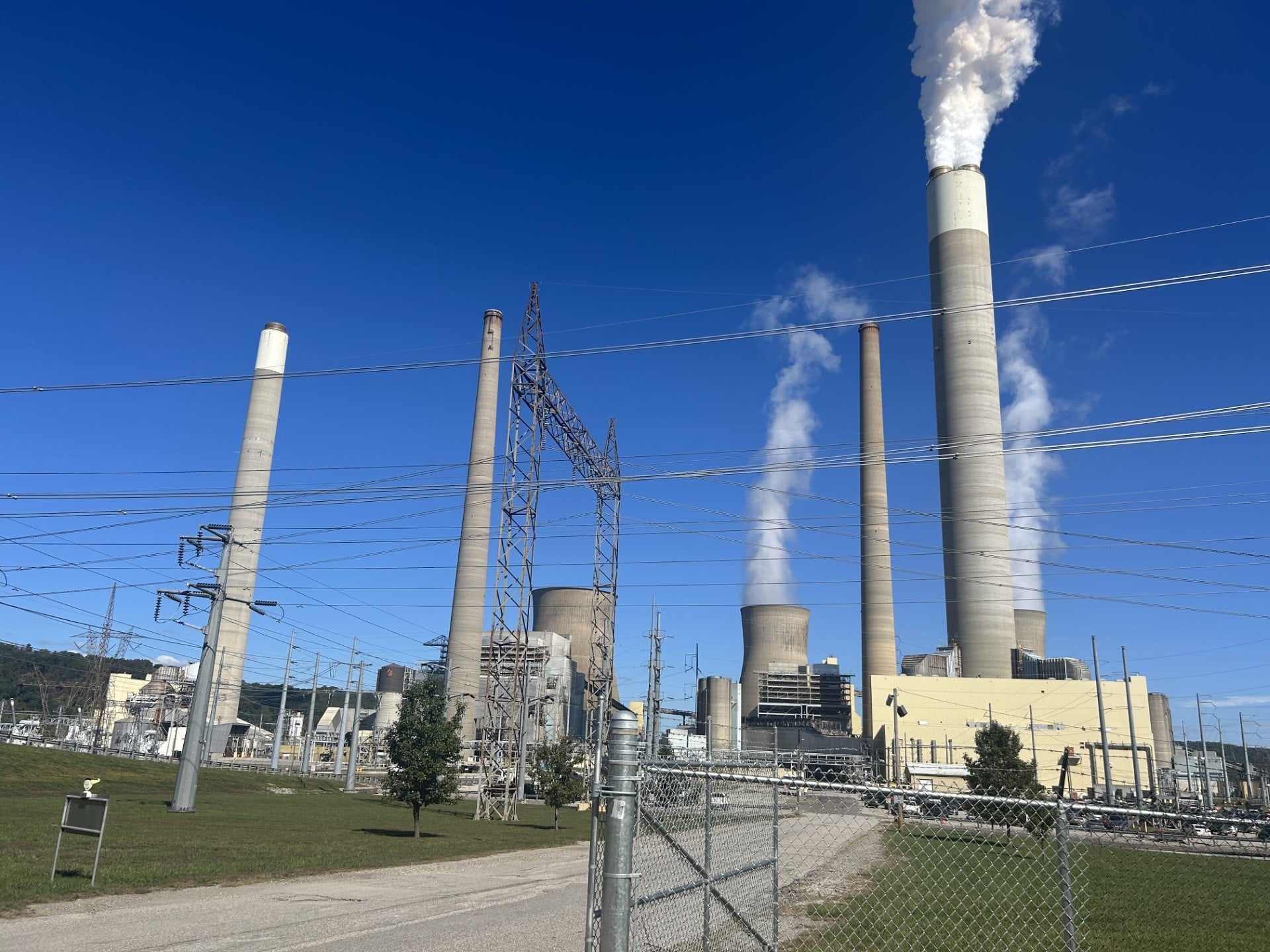
The proceedings, now in their third day, have shifted from high-level infrastructure goals to the reality of how land agents are interacting with residents. At the heart of the conflict is a tension between NextEra Energy Transmission’s push for a resiliency project and the protection of private property rights. For the residents of Hampshire County, the MARL is a presence that threatens their hunting traditions, property values, and the aesthetic integrity of their land.
NextEra Energy terminates agent over coercion allegations
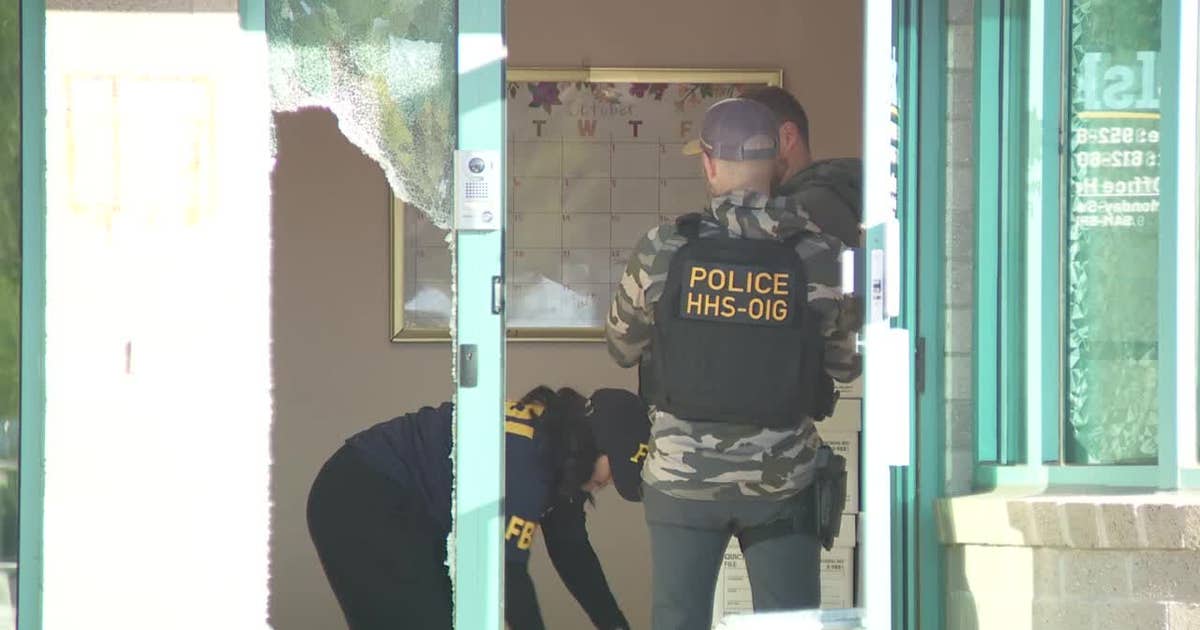
The testimony took a turn when Sarah Powers, senior director of development at NextEra Energy Transmission, was confronted with reports of tactics used by third-party contractors. Specifically, an employee of the Texas-based Lone Star Land Services was accused of using coercion to pressure a landowner into signing an agreement. The agent allegedly told the landowner they would be subject to a restraining order on a portion of their own property to facilitate surveying and appraisal work.
Powers testified that the employee in question was terminated immediately upon the company learning of the incident. She defended the company’s standards, detailing the code of conduct and training that all land agents must agree to upon hire. Powers admitted that land agents were deployed before a formal certificate for the project was even issued, a move she claimed was intended to answer resident questions early, but which some landowners view as a premature attempt to lock them into agreements.
Hunting restrictions and the “blowout zone”
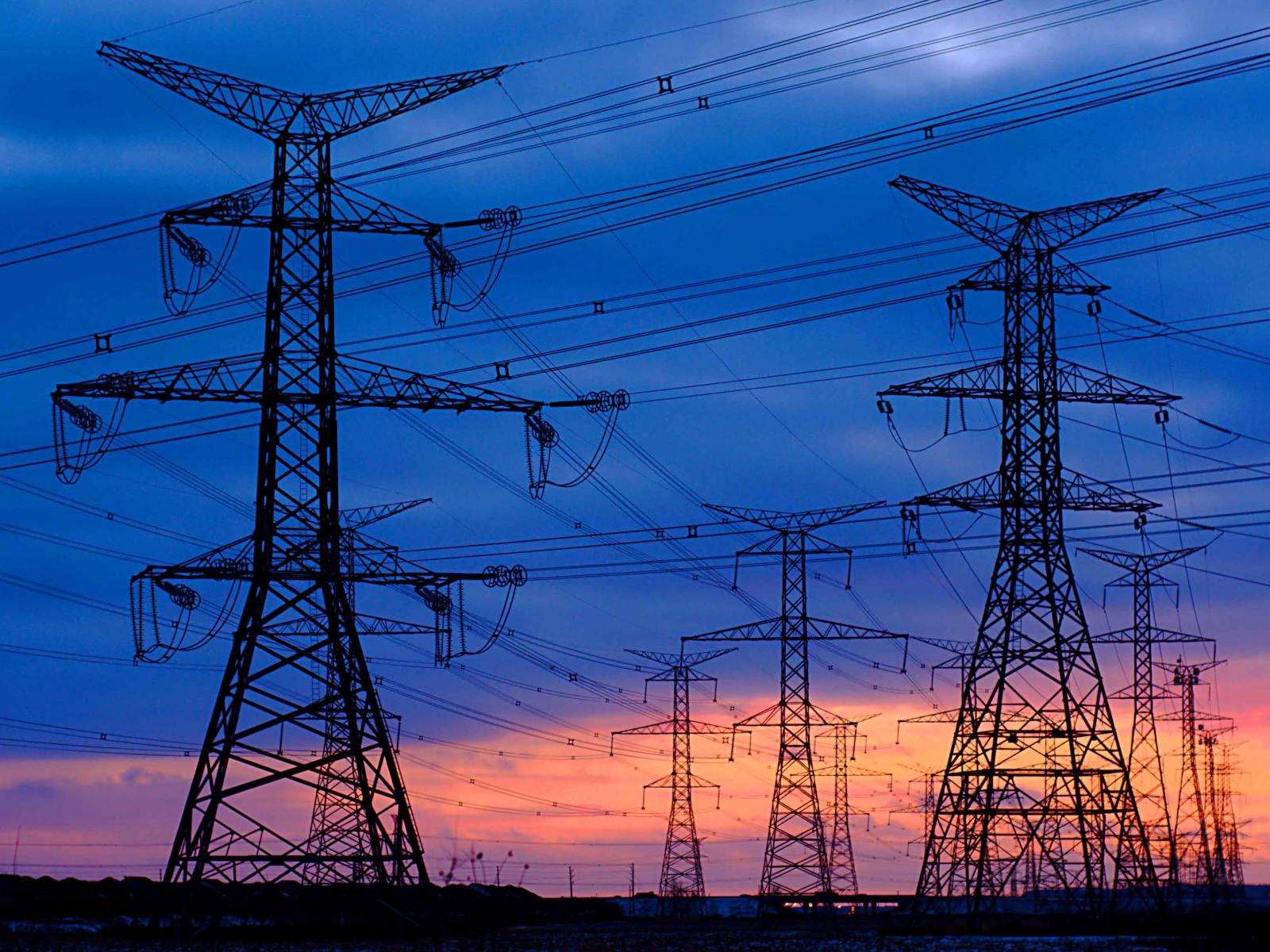
For many West Virginians, land ownership is linked to hunting and firearm use, making the MARL’s proposed easement restrictions a flashpoint. Lance Evans, who owns more than 200 acres along the route, testified that the proposed agreements were unacceptable. Evans pointed to expansive provisions that would limit the use of firearms and hunting on his property, requiring him to notify the company of who was hunting on his own land.
Powers argued that the intent behind these provisions is safety, stating, we don’t want to get anybody shot.
She noted that the company has been open to modifying easement agreements at the request of landowners. But for Evans, the loss of control over 226 acres during hunting season was a non-starter.
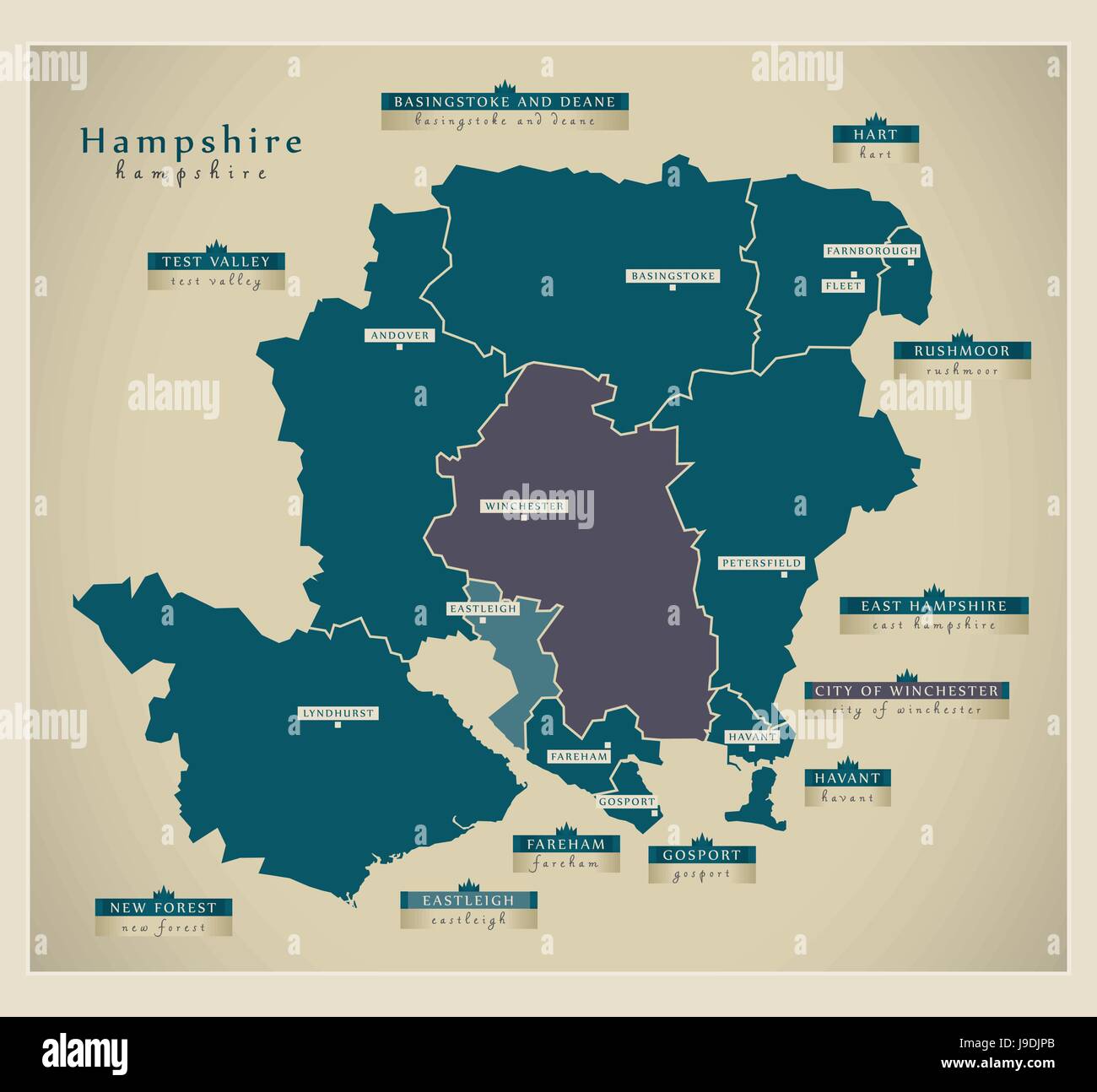
The friction extends beyond usage rights to the transparency of the negotiations. Scott Martini, another Hampshire County resident, testified that the proposed line would sit about 39 feet from his home. Martini questioned why the line was being routed on the residential side of existing transmission lines—an area with homes—rather than the other side. According to Martini, the land agent’s response was that it was cheaper to pay the homeowners than to redesign the line.
Martini further alleged that the agent omitted critical technical details while pressuring the family for a settlement figure. These omissions included:
- The existence of a “blowout zone.”
- Additional right-of-way requirements to account for line sway during high-wind conditions.
- The placement of an unknown structure pad.
Martini testified that the agent seemed more concerned with securing a signed figure than ensuring the family understood the full scope of the project’s footprint.
The clash of value and utility
While NextEra Energy Transmission frames the MARL as a step for regional energy resiliency, residents like John Wotring see it as an environmental desecration. Wotring testified that the project would traverse some of the most pristine natural land in the region, arguing that the aesthetic and environmental loss outweighs the utility of the project.
Powers responded by testifying that the company intends to compensate all property owners affected by the construction or operation of the link, regardless of how the land is used. For those with unresolved questions, she pointed to a company hotline designed to connect residents with specialists who can provide specific answers.
Testimony is scheduled to continue at 9 a.m. on Thursday, as the PSC continues to weigh the public necessity of the MARL against the documented grievances of the people whose land it will cross.
As John Wotring put it during his testimony, To see what God put here destroyed for something man wants to put here for some of us is not worth it.