New Mexico Democrats Expand House Majority in Post-Election Shakeup
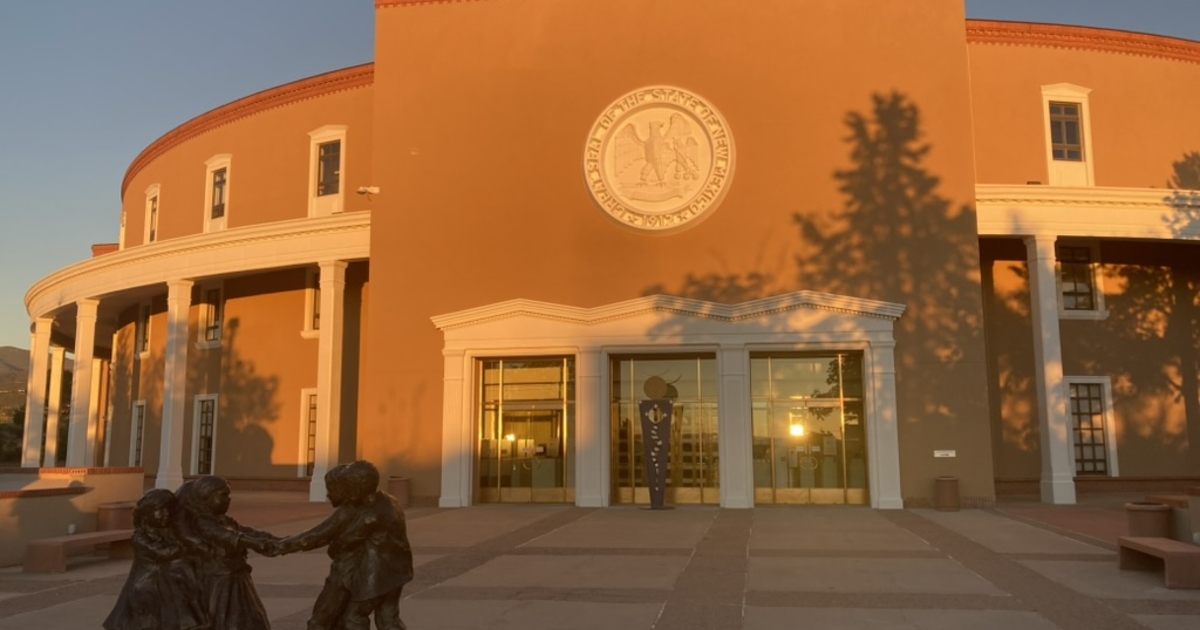
New Mexico legislative Democrats secured a significant expansion of their power this week, unseating four incumbent Republicans and cementing their control over the state House of Representatives. According to reporting from Source NM, the election results leave Democrats with 47 of the 70 seats in the chamber, a shift that carries major implications for the upcoming 60-day legislative session scheduled to begin on January 19.
The turnover was marked by a series of defeats for Republican incumbents. State Representatives Catherine Cullen of Rio Rancho, Rebecca Dow of Elephant Butte, Tanya Mirabal Moya of Los Lunas, and Luis Terrazas of Silver City all lost their bids for reelection. For the Democratic caucus, the momentum was fueled by what party leadership described as a “historic blue wave,” a trend that helped tilt several competitive districts in their favor.
The Mechanics of the Shift
The electoral map saw significant movement in both rural and suburban districts. In House District 39, Raul Turrieta, a four-time county assessor, ousted the incumbent Luis Terrazas with 53% of the vote. Turrieta credited his win to a combination of local name recognition and the broader national Democratic surge, telling Source NM, “The Democrats really came out. We raised enough money to be comfortable to do what we had to do, but mainly the blue wave. Let me tell you, man, that thing really took me over the top.”
In District 38, political newcomer David Mooney defeated Rebecca Dow, who had returned to the legislature in 2025 after a brief hiatus. Mooney, who ran as a write-in candidate during the primary, framed his campaign as a challenge to corporate interests. He is already looking toward the next session, where he plans to advocate for an 18-month moratorium on new data center developments. He argues that such projects should require approval from a majority of local community members, a policy position he believes will be a “hard fight” in the upcoming session.
Democrats Reach Highest House Majority Since 1994
This expansion brings the Democratic House majority to its highest point since 1994. The 47-23 split effectively provides Democrats with a two-thirds majority, which is necessary to override a governor’s veto. While Democrats bolstered their numbers, Republicans found a rare bright spot in Albuquerque’s Northeast Heights, where Representative Nicole Chavez successfully defended her seat against Democrat Lisa Curtis in one of the cycle’s most expensive races.
The legislative situation in Santa Fe is complex, however. While Democrats solidified their hold on the House, they also maintained their 10-seat majority in the state Senate, where incumbent Sen. Rex Wilson (R-Ancho) successfully fended off a challenge from attorney William Neil Griffin.
Speaker Martínez Views Results as a Mandate for Legislative Agenda
House Speaker Javier Martínez, in a statement, framed the election results as a mandate for the party’s existing legislative agenda. “New Mexico serves as an example for the rest of the nation on how to lead,” Martínez said. “We’ll carry the energy and momentum from tonight with us into the Roundhouse this January as we continue to show other states the way forward.”
Despite the celebratory tone from leadership, the path forward is not without friction. Beyond the contentious debate over data center regulations, the legislature must address the fallout from a series of vacancies and legal disputes that defined the lead-up to the election. For instance, the New Mexico Supreme Court previously intervened in a ballot access case, and the legislature continues to grapple with the vacancy left by the resignation of former Representative Andrea Reeb.
As the dust settles, the question remains how this expanded majority will use its new legislative power. While the party has secured the numbers to pursue ambitious policy changes, the practical reality of governing a state with diverse rural and urban interests—and managing the inherent tensions of a majority—will be the true test of the upcoming session. With the session start date fast approaching, the focus in the Roundhouse will soon shift from campaigning to the granular, often difficult work of budget negotiations and policy drafting.