
A prominent New Mexico megachurch is directly challenging federal election laws by openly endorsing Republican candidates in tight midterm races, setting up a high-stakes legal clash as the Trump administration works to dismantle the ban on tax-exempt religious nonprofits engaging in political campaigns. Legacy Church, a nondenominational institution with nine locations across the state, has thrown its substantial pulpit influence behind candidates vying for critical congressional and gubernatorial seats, theguardian.com reported.
The endorsements test the boundaries of the Johnson Amendment, the 1954 federal statute prohibiting tax-exempt organizations from participating in political campaigns. While federal law still bars churches from endorsing candidates, political and legal norms are shifting rapidly. The conflict highlights a growing national trend of religious institutions testing federal restrictions on political advocacy, backed by ongoing legal challenges from the administration.
Pulpit Endorsements in Key New Mexico Races
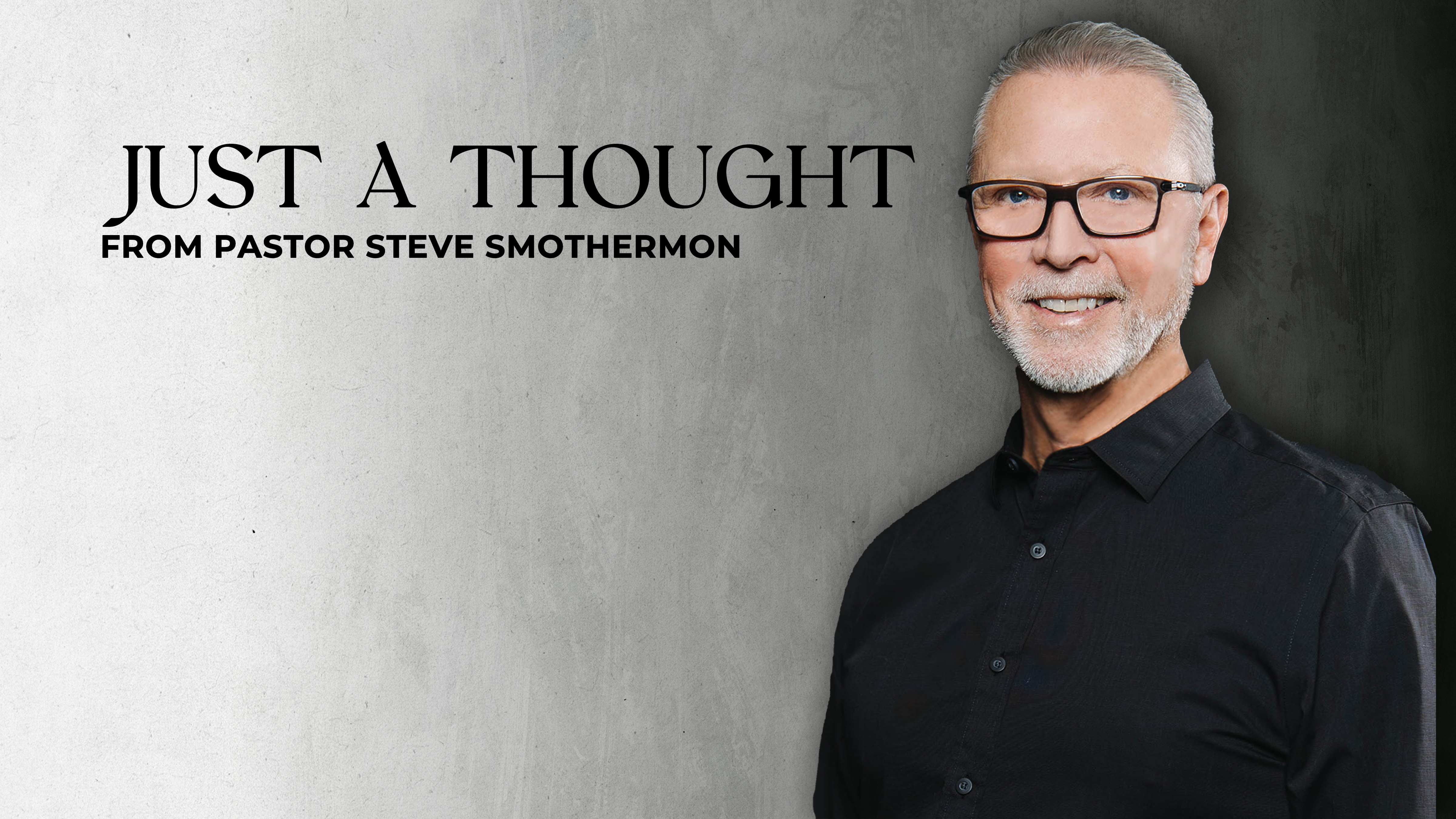
In mid-August, Legacy Church pastor Steve Smothermon addressed his congregation regarding Greg Cunningham, a Republican candidate running to unseat Democratic Representative Gabriel Vasquez. Cunningham, who is backed by Donald Trump, aims to flip one of New Mexico’s few competitive congressional districts. Recent polling shows Vasquez leading with 48% of the vote compared to Cunningham’s 44%, making the district a major battleground as Republicans fight to maintain narrow majorities in the House.

“Greg Cunningham has faithfully served our church for 14 years and shares our biblical values. Let’s pray for him, support his campaign, get registered, and vote to flip this seat for someone who will stand for God, our Constitution, and a better New Mexico!” Smothermon told his church members. House Speaker Mike Johnson and Senate Majority Leader Steve Scalise have both traveled to New Mexico to campaign for Cunningham, while Trump endorsed the candidate in an April Truth Social post.
Smothermon extended his political endorsements on October 6 by backing Gregg Hull, the Republican candidate for governor. In a social media post, Smothermon urged his followers to support Hull and vote according to their biblical worldview. These actions follow a long history of local political involvement by Smothermon, who distributed highlighted sample ballots in 2014, directed voters in a 2021 city council race, and called the current Democratic governor “demonic” while endorsing Republican gubernatorial candidate Mark Ronchetti in 2022.
Gregg Hull should be the next governor of New Mexico. He has already done the work here. Twelve years as mayor of Rio Rancho. He grew the city, held the line on taxes, and doubled the police budget. He is also a Sunday school teacher, the kind of man who shows up for his church… pic.twitter.com/twAyiR3BX6
The Legal Battle Over the Johnson Amendment
Defending the church’s aggressive political posture, Smothermon pointed to free speech principles. “For the last 2.5 centuries, resisting censorship has been a cornerstone of our republic, so we knew laws curtailing it were unconstitutional and therefore null and void – especially for political speech,” Smothermon said in a statement to theguardian.com.
The push by Legacy Church aligns with broader federal efforts by the Trump administration to dismantle the Johnson Amendment. After vowing to destroy the restriction during his first term, Trump signed a executive order in 2017 limiting treasury enforcement. Following his return to office, the Internal Revenue Service issued a court filing in 2025 declaring that churches should be permitted to endorse candidates to their congregations. Although a federal court blocked that proposal, the Justice Department appealed the ruling in September.
The phenomenon extends far beyond New Mexico. According to a recent analysis from researchers at the University of Notre Dame, Dartmouth, and the University of Pennsylvania, 14.7% of churches engaged in direct political advocacy and endorsements during the three months surrounding the 2024 election. As the courts weigh the constitutionality of the ban, institutions like Legacy Church continue to push the envelope, blending spiritual authority directly into the machinery of modern American campaigns.



