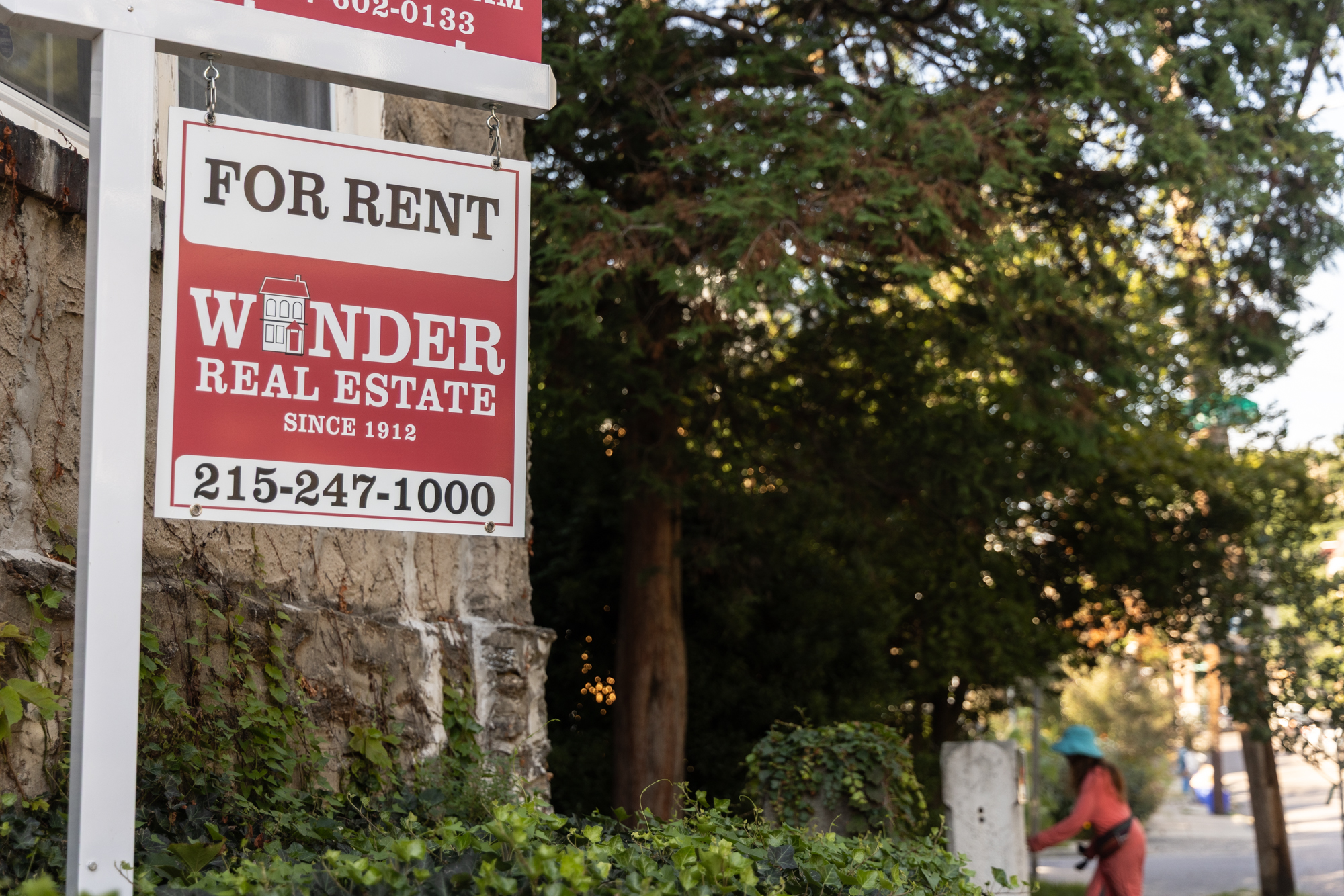
Philadelphia Renter-Protection Laws Take Effect Sunday Under Safe Healthy Homes Act
Beginning this weekend, a new package of tenant protections takes effect across Philadelphia. The measures are designed to strengthen renter rights and curb landlord retaliation.
The changes stem from the Safe Healthy Homes Act, a legislative package crafted alongside tenant organizers. Independent landlords have mounted staunch opposition to the rules, arguing that the regulations will inflict financial damage on small businesses. Supporters, however, counter that the policies will eventually foster safer living conditions and hold negligent property owners accountable amid an ongoing affordable housing crisis.
“These laws will not create a sea change overnight. But I believe Philadelphia will experience safer housing conditions, better landlord business practices, and stronger protections from retaliation or displacement if they are faithfully implemented,” City Councilmember Nicolas O’Rourke, who introduced the legislation, said in a statement.
The freshman lawmaker added that his immediate focus remains ensuring that implementation matches the moment.
Expanding Good Cause Protections Across All Leases
The newly active legislation introduces three major structural components to city housing policy.
First, the rules expand “good cause” protections to every renter in Philadelphia. Landlords must now state in writing a legitimate, legally defined reason for terminating or refusing to renew a lease, regardless of the lease’s duration.
Previously, this requirement applied exclusively to month-to-month agreements and leases running for less than a year. Advocates argued that the exemption created a loophole, allowing property owners with longer leases to displace tenants without justification or advance notice.
Legal experts note that the older framework complicated matters for renters who suspected retaliatory motives and wished to file complaints with the city.
“It’s not necessarily a hard and fast rule, but it makes it really hard to challenge it when you’re kind of fighting against silence,” Madison Gray, a staff attorney with the Public Interest Law Center, said in February.
Legislation Protects Renters Who Join Tenant Associations
Beyond lease renewals, the legislative package explicitly prohibits landlords from modifying or terminating a tenancy because a renter cooperates with a city investigation, talks to a reporter or council member, or joins a tenants association.
While tenants previously held basic rights to organize, those protections were absent from the explicit text of local ordinances. Backers expect the formal codification to encourage more renters to form associations, boosting their collective legal and political standing.
“We’re not asking for luxury. We’re asking that if we get a leak in our kitchen, you come fix it,” Theresa Howell, an organizer with OnePA Renters United, said in September.
The legislation also clarifies that tenants retain the right to sue for back rent if landlords collected payments illegally. City code mandates that property owners possess an active rental license and a certificate of rental suitability before collecting rent. However, landlords are exempt from penalties if missing documents stem from administrative delays within the Department of Licenses and Inspections.
Small Landlord Concerns Over Foreclosure Risks
Opposition to the package centers on the potential financial burden placed on independent property owners. Critics suggest the rules will complicate and increase the cost of removing disruptive tenants.
Opponents also point to provisions that could require retroactive rent rebates in certain contested scenarios.
“I could run into the wrong tenant with this legislation, not be able to make my mortgage on my properties and end up in foreclosure,” said Seth Floyd, an independent landlord.
Despite these warnings, supporters maintain that the updated regulations establish a necessary counterweight to displacement, shifting the structural balance toward accountability as the Sunday implementation date arrives.



