New York City is currently grappling with a disconnect between optimistic national crime statistics and a visceral sense of urban chaos on the ground, particularly within the subway system and public parks. While federal data suggests a broad decline in violent crime across the U.S., residents and first responders in New York describe a climate where random violence is increasing and the legal system frequently downgrades serious charges against offenders.
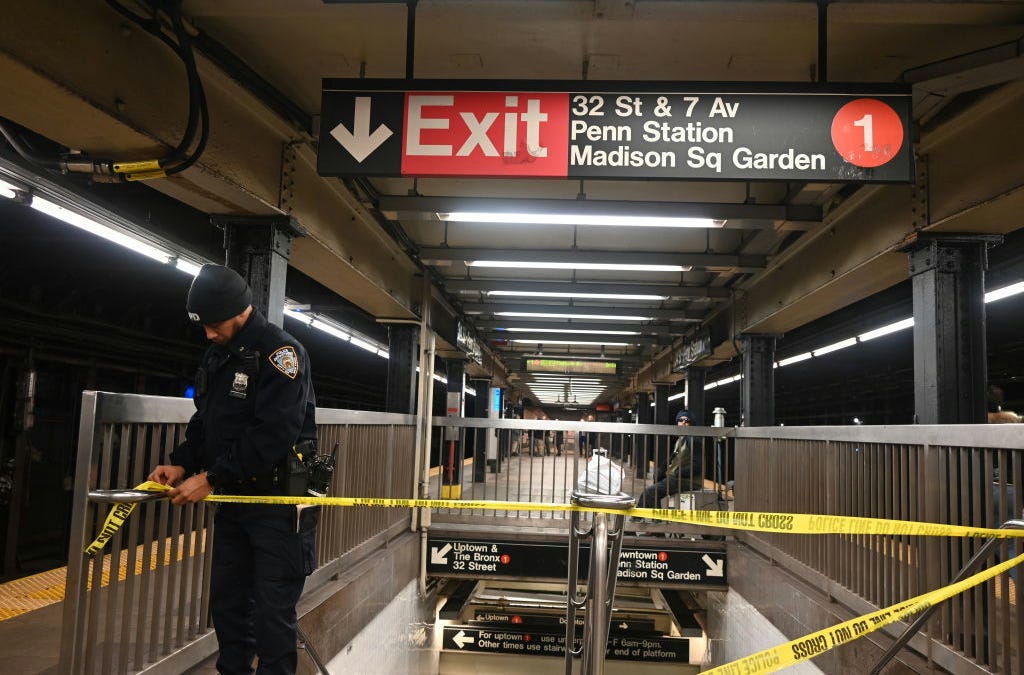
The stakes aren’t just statistical; they are human. When a 26-year-old man is shot dead in a Midtown subway stop in broad daylight simply for asking a teenager to stop smoking marijuana, or when a woman is sexually assaulted at knifepoint in Central Park at 8:30 p.m., the "affordability" metrics touted by City Hall feel irrelevant to the people in those spaces. For the daily commuter or the evening walker, the primary currency isn’t rent—it’s safety.
The Gap Between Data and the Street
On paper, the trajectory looks positive. A Justice Department survey recently indicated a 25% drop in violent crime victimization and a 19% decline in property crime since 2024. These national gains are attributed to a retreat from “defund the police” policies and aggressive federal deportations of gang members and criminals. But these macro-trends often mask localized crises.
In New York, the reality is more stubborn. Crime levels in the city remain significantly higher than they were in 2019, prior to the pandemic and the George Floyd riots. The danger has become concentrated in the city’s arteries. While overall city-wide numbers may dip, violent crime on the subway has intensified, with murders on the system doubling since last year.
This creates a dangerous blind spot for policymakers. If the “big numbers” are going down, it becomes politically easier to ignore the specific, random threats that make a tourist area like Midtown feel volatile. The NYPD may label a killing the result of a “dispute,” but as the details emerge—such as the death of Darrel Rodriguez—the “dispute” is often a trivial interaction that escalates into a fatality because of a pervasive lack of deterrence.
A Culture of Downgraded Charges
The problem isn’t just how many crimes are committed, but how they are handled once the handcuffs are on. There is a systemic tendency among prosecutors to downgrade charges, effectively erasing the plain language of the law in favor of discretion that favors the defendant.
Consider the case of a New York City firefighter who was attacked while responding to a medical call. A resident, offended by the exhaust of the fire truck, attempted to smash the vehicle’s window and ended up in a scuffle with the firefighter. Under New York law, Assault in the Second Degree covers attacks on public servants preventing them from doing their jobs—a felony punishable by up to seven years in prison. Yet, because the firefighter’s injuries were “only” cuts and bruises, the prosecutor downgraded the charge to a misdemeanor.
“While the ‘overstretched police department’ has ‘focused rightly on gang crime in hotspot neighborhoods,’ the unwillingness to expand the overstretched officer pool means places like the subway are increasingly unsafe.”
— Nicole Gelinas, Manhattan Institute Senior Fellow (via City Journal)
The Political Pivot to Affordability
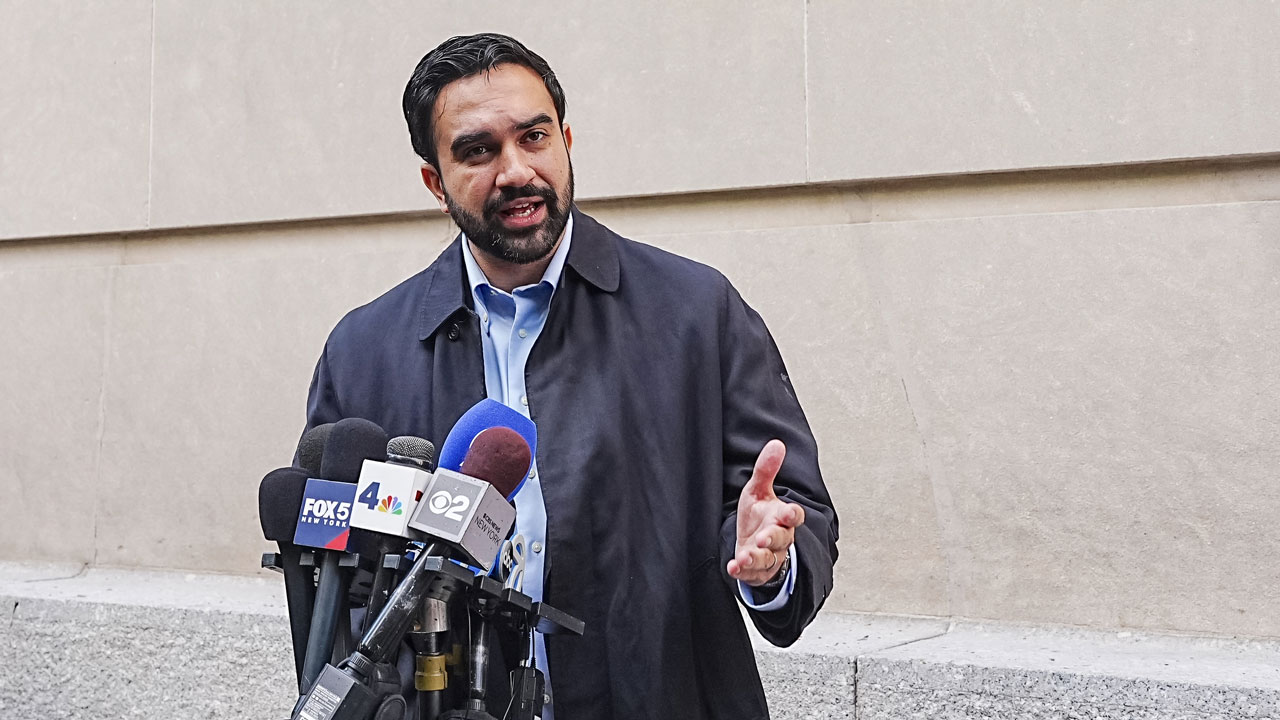
Mayor Zohran Mamdani finds himself at the center of this tension. A socialist politician, Mamdani has been criticized for his reluctance to surge police presence into the subway system. When pressed on the mounting chaos in transit, Mamdani frequently dodges the question, pivoting instead to a “broken record” of calls for rent freezes and housing affordability.
This strategy is a calculated political move. By shifting the conversation to economic affordability, the administration avoids the friction of a public demanding more aggressive policing. However, the counter-argument is that while rent freezes may help in the long term, they do nothing to stop a 17-year-old with a gun in a Midtown station today.
The result is a city divided by perception. The administration speaks of economic justice, while the NYPD struggles with an overstretched force that cannot be everywhere at once. This leaves a vacuum in high-traffic areas, where the lack of visible deterrence makes random violence more likely.
The question that remains is whether the city can afford to keep treating public safety as a secondary concern to affordability.



