A Rare Complication: When a Common Antibiotic Triggers Cardiac Arrest
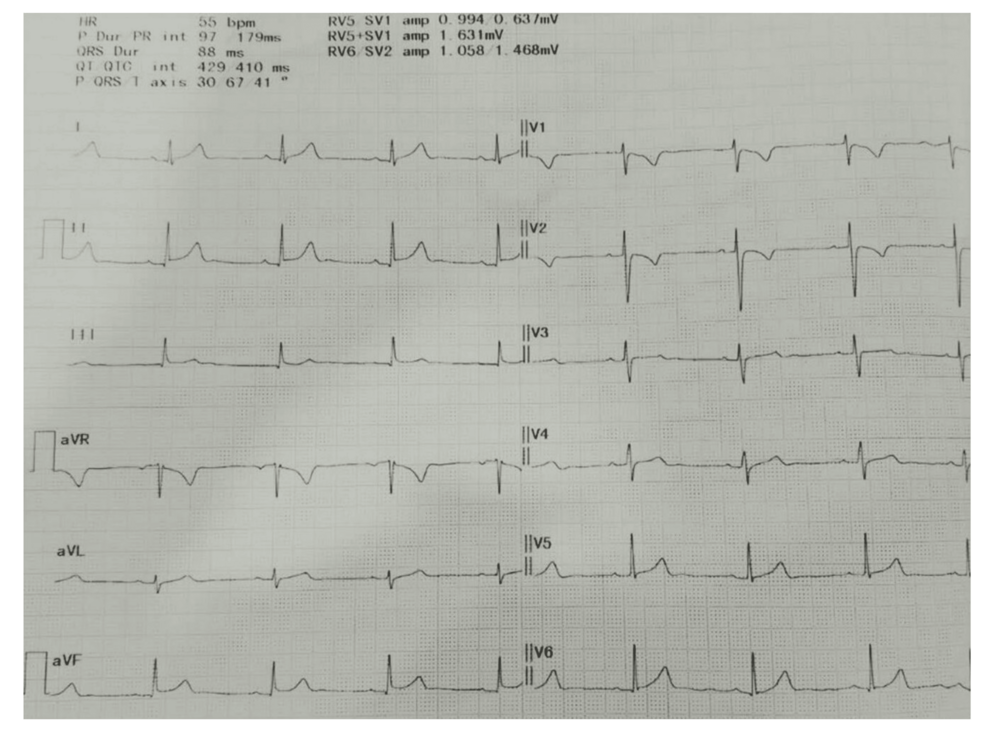
In the high-stakes environment of an intensive care unit, clinicians often rely on a narrow set of reliable tools to fight persistent, resistant infections. Linezolid, a synthetic oxazolidinone antimicrobial, is one such tool, frequently deployed against aggressive threats like methicillin-resistant Staphylococcus aureus (MRSA). However, a recent case report published in Cureus serves as a stark reminder that even well-understood medications can occasionally produce catastrophic, unexpected results. Doctors recently documented a 14-year-old patient who experienced sudden sinus bradycardia and cardiac arrest, a life-threatening event directly linked to the administration of linezolid.
The adolescent had been hospitalized for weeks, struggling with respiratory failure that necessitated mechanical ventilation and, eventually, a tracheostomy. When a hospital-acquired MRSA infection took hold, the medical team initiated linezolid therapy. The patient’s decline was swift: on the third day of treatment, immediately following the medication’s infusion, his heart rate plummeted, and he suffered a cardiac arrest. While he was successfully revived through CPR and adrenaline, the mystery of the cause remained until the pattern repeated itself 48 hours later. Only after clinicians withdrew the linezolid and switched to teicoplanin did the patient’s cardiac stability return.
The Diagnostic Challenge of Drug-Induced Toxicity
The medical team employed the Naranjo adverse drug reaction probability scale to evaluate the link between the antibiotic and the patient’s condition. With a score of 8, the reaction was classified as “probable.” This finding is particularly significant because linezolid is not typically associated with cardiac arrest in standard clinical practice. While the drug is known for side effects like myelosuppression, gastrointestinal distress, and, in some cases, lactic acidosis, its impact on the cardiovascular system is generally limited to rare instances of QT prolongation or serotonin syndrome in specific patient populations.
The rarity of this event is underscored by the limited existing literature. Researchers identified only two other documented instances of bradycardia associated with linezolid: one involving a 49-year-old woman and another involving a 13-day-old neonate. In the latter case, the patient unfortunately did not survive. The 14-year-old boy in this report represents a rare survivor of this specific adverse effect, providing a unique window into the drug’s potential risks.
Why Monitoring Matters for Vulnerable Patients
For parents and patients, the “so what” of this report is rooted in the necessity of hyper-vigilance. While linezolid remains a life-saving medication for millions, this case highlights that even when a patient is receiving standard care, the body’s reaction to synthetic compounds can be unpredictable. The clinicians involved in the case emphasize that baseline heart rate monitoring, regular ECGs, and consistent metabolic panels are not merely administrative hurdles—they are critical safety nets.
“This case highlights a rare but potentially life-threatening cardiovascular adverse effect of linezolid and emphasizes the importance of cardiovascular monitoring during therapy,” the report notes.
The medical community continues to grapple with the underlying mechanism of such reactions. Because linezolid acts as a reversible monoamine oxidase (MAO) inhibitor, it affects the release of neurotransmitters like epinephrine and norepinephrine. While this is often discussed in the context of tachycardia, the exact pathway leading to the bradycardia observed in this patient remains a subject of ongoing clinical curiosity. The case serves as a call to action for hospitals to maintain rigorous, real-time observation protocols, especially when dealing with pediatric patients or those with complex, pre-existing respiratory conditions.
A Balancing Act for Modern Medicine
Critics of over-monitoring might argue that such extreme reactions are outliers and that standard protocols are sufficient to manage the vast majority of cases. Yet, the cost of missing a “probable” drug-induced cardiac arrest is far too high for any healthcare system to ignore. As antibiotic resistance continues to rise, the reliance on drugs like linezolid will likely persist, making it essential for practitioners to remain aware of the full spectrum of potential adverse reactions, no matter how infrequent they may appear in the clinical record.
The patient was ultimately discharged with the support of intermittent bilevel positive airway pressure (BiPAP) therapy, having avoided further cardiac episodes once the drug was removed. His recovery provides a clear indicator of the clinical necessity to pivot treatment plans rapidly when a suspected adverse reaction occurs. In a world where medicine is increasingly standardized, this case proves that the most sophisticated technology cannot replace the keen observation of a patient’s immediate physiological response to treatment.