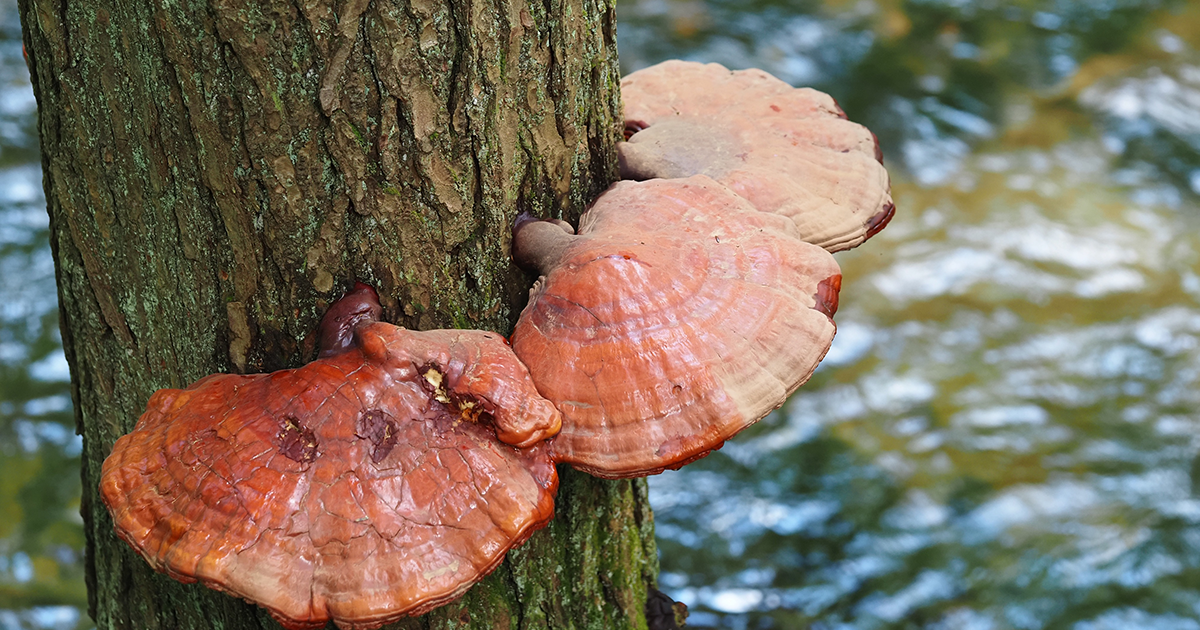
The gathering, organized by the Northeast Mycological Federation (NEMF), highlights a blind spot in ecological conservation: while botanists and zoologists have cataloged more than 80 percent of plant species, scientists estimate that fewer than 10 percent of the world’s estimated 2 million to 3 million fungi species have been discovered.
The Ecological Mechanics of Decay and Soil Health
Fungi perform foundational work that keeps terrestrial ecosystems functioning. Without them, dead organic matter would simply accumulate indefinitely.
“For stuff to grow, it needs fungi. For stuff to decay, it needs fungi.”— Noah Siegel, NEMF president and field mycologist
Certain fungi deploy specialized enzymes designed to break down lignin, the substance that makes wood and bark rigid. By softening fallen logs, these organisms clear the way for insects and other organisms to finish the decomposition cycle. Beneath the surface, microscopic mycorrhiza fungi weave through the soil, enabling crops, trees and other plants to absorb essential water and nutrients while sequestering massive quantities of atmospheric carbon dioxide.
Researchers Counter Historical Funding Imbalances Affecting Fungi
Despite their critical ecological functions, fungi face significant public relations hurdles. Historical research funding and public awareness campaigns have overwhelmingly targeted pathogenic fungi that threaten crops, homeowners, and public health—a dynamic reflected by a global fungicide market valued at $19 billion. Everyday vernacular hasn’t helped either, with colloquial names like corpse finder, destroying angel, death cap, dunce cap, and dead man’s fingers.
To counteract this imbalance, academic researchers have pushed back against historical oversight. Earlier this year, the Mycological Technical Committee of the Pennsylvania Biological Survey released a free, 68-page book titled The Importance of Fungi to highlight beneficial species. Interested readers can access the publication directly via The Importance of Fungi.
This push for awareness coincides with institutional recognition. Pennsylvania became the first state in the country to create a conservation mycologist position in its Natural Heritage Program, held by Hanna Huber. Huber’s work includes updating a state fungi list and integrating “funga” alongside traditional references to flora and fauna in land management documents.
From Forest Floor to DNA Barcoding Lab
Back inside the sorting room at Penn State’s Mont Alto campus, field finds transformed into rigorous data.
Russell oversaw DNA extraction efforts supported by a Wild Resource Conservation grant from the Pennsylvania Department of Conservation and Natural Resources.