Using artificial intelligence to evaluate data from portable blood pressure cuffs and wrist-worn fitness trackers can identify patients at risk of a dangerous hypertensive crisis up to three days before it hits, according to preliminary research. The findings are scheduled to be presented at the American Heart Association’s Scientific Sessions 2026, running November 6 through November 9 in Chicago.
Catching the Spike Before the Emergency Room
For millions of adults managing stage 2 high blood pressure, where readings sit at or above 140/90 mm Hg, a sudden surge past 180/120 mm Hg accompanied by acute end-organ damage can trigger strokes, heart attacks, kidney failure, or pulmonary edema. Traditional management relies on isolated readings taken during routine clinic visits. That single snapshot often misses the subtle fluctuations that precede an acute emergency.
“Everyone’s blood pressure changes throughout the day and night, and a single reading only captures one moment in time,” explained Waleed Razzaq Chaudhry, M.D., who serves as an internal medicine resident and the primary investigator at the University of Maryland Capital Region Medical Center located in Largo, Maryland. “By continuously tracking blood pressure and identifying patterns, we found that AI analysis of blood pressure may be a valuable addition to help identify early warning signs of dangerously high blood pressure.”
What the Data Shows Over a 12-Month Trial
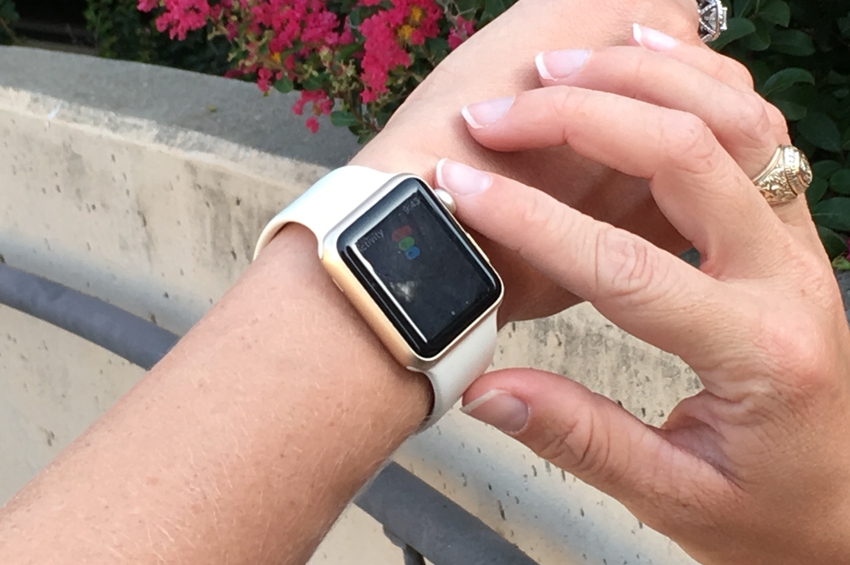
The study followed 4,190 adults aged 40 to 85, with an average age of 62.4 years, who received care at a hospital in Sindh, Pakistan, between January 2025 and January 2026. Roughly 46% of the participants were women and 54% were men, all presenting with stage 2 hypertension. Each participant wore a portable cuff-based blood pressure monitor alongside a wrist-worn fitness tracker utilizing light-based sensors to monitor cardiovascular signals like heart rate and heart rate variability.
An artificial intelligence model evaluated 47 distinct characteristics from these devices, tracking changes throughout daily activities and sleep cycles. Over the 12-month observation period, 312 participants experienced a total of 418 hypertensive crises, accounting for about 7% of the cohort.
- 72-Hour Warning: The AI tool successfully distinguished between higher- and lower-risk patients up to three days prior to an event.
- Accuracy Rates: Roughly 32% of participants who received a positive alert experienced a hypertensive crisis, while 97.4% of those without an alert stayed crisis-free.
- Sleep Patterns: Patients whose blood pressure failed to drop normally during sleep faced nearly five times the odds of an upcoming crisis.
- Morning Surges: Participants whose blood pressure jumped by more than 35 mm Hg immediately after waking compared to nighttime levels faced nearly four times the odds of a hypertensive crisis.
When the AI model issued an alert, physicians contacted patients to review symptoms and adjust medications. Among patients whose medications were adjusted within 24 hours of an alert, hypertensive crises dropped by about 61%, and emergency department visits fell by roughly 45% compared to those who did not receive timely interventions.
Maria Delgado-Lelievre, M.D., a distinguished Hypertension Specialist at the University of Miami Leonard M. Miller School of Medicine and a member of the American Heart Association’s National Hispanic Latino Cardiovascular Collaborative leadership team, noted that as technological capabilities advance forward, digital monitoring devices offering deeper visibility into inter-visit blood pressure fluctuations could facilitate customized treatment strategies while sparking timely conversations regarding lifestyle modifications, therapeutic options, and strict compliance with prescribed regimens.
Limitations and Next Steps in Digital Health
While the results point toward proactive intervention, researchers emphasize important constraints. Because the study population consisted entirely of adults receiving care at a single hospital in Pakistan, the algorithm requires validation across broader, more diverse patient populations and healthcare environments.
Independent panels curated the research abstract for the Chicago scientific meeting, and the findings remain preliminary until published in a peer-reviewed scientific journal.