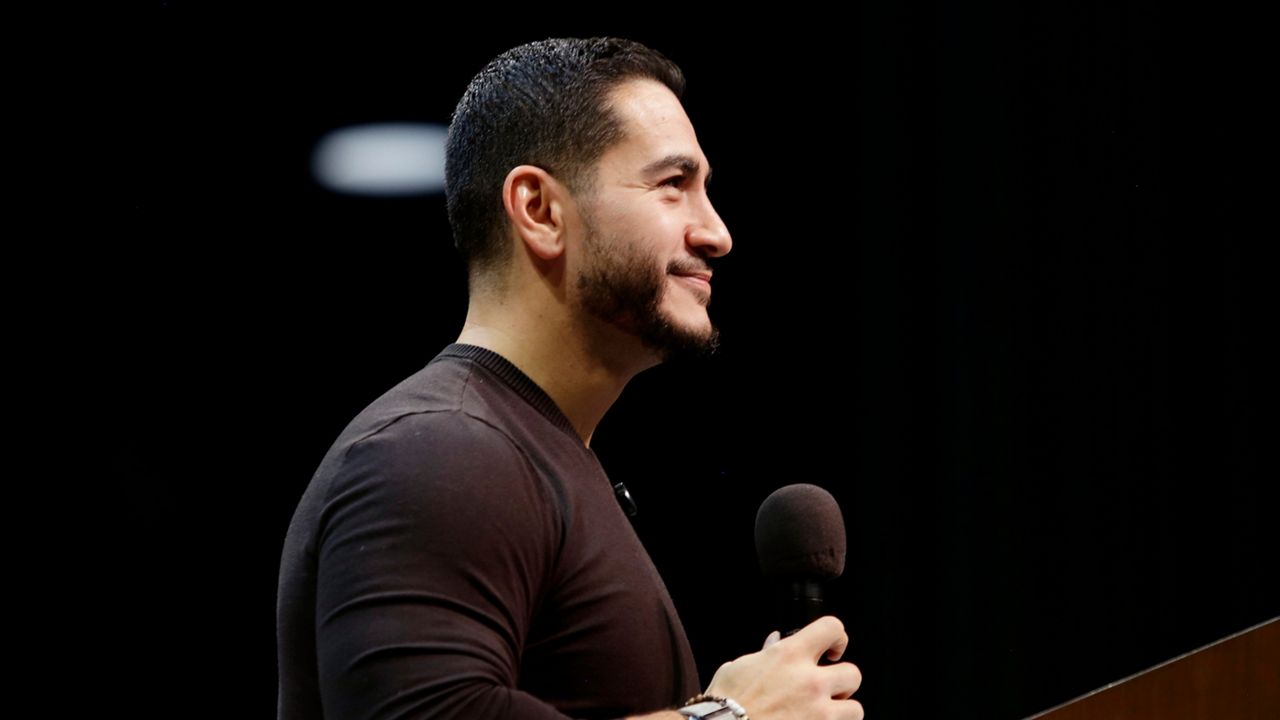
Elder Patrick Kearon of the Quorum of the Twelve Apostles urged students at Ensign College in Salt Lake City on Tuesday, October 27, 2026, to critically evaluate their relationship with smartphones and social media. Rather than prescribing a rigid set of rules, Kearon asked the students to reflect on their own habits and develop personalized action plans to ensure technology serves them rather than controlling them.
Bus Drawings Show How Algorithms Engage Users
To illustrate the difference between physical and digital boundaries, Kearon used a series of drawings depicting a young man on a bus. In the first scenario, the man looks out the window, remaining content and relaxed while people behind him argue, wave political signs, and hawk products. He is in the midst of chaos, but he is not engaged by it.
The second drawing shows the same man using his phone. Suddenly, he is no longer content; he looks worried and bothered. He is engaging with the same arguments, political agendas, and solicitations he had easily ignored in the physical world. When Kearon asked the students why the phone changed the man’s emotional state, the responses highlighted the invisible architecture of the internet.
🔗: https://t.co/hU1jsdldctAt Ensign College, Elder Patrick Kearon of the Quorum of the Twelve Apostles invited students to think about how they use their phones and social media and to make faithful choices.
- Students noted that the man was giving the device his “full attention.”
- They pointed to “algorithms aimed at him.”
- They observed that the phone is “always with him,” effectively becoming an “extension of him.”
The distinction is stark. In a physical space, we can choose where to look.
The Risk of Spiritual and Mental Displacement
Kearon connected this modern struggle to broader spiritual risks, citing President Dallin H. Oaks’ 2007 teaching that while wholesome entertainment is good, not everything is worth the portion of life spent obtaining it. The core of the issue, as one student put it during the devotional, is the risk of technology becoming an “idol”—a good servant but a “really bad master.”
Kearon referenced a 2018 invitation from President Russell M. Nelson, who encouraged youth to undergo a seven-day social media fast. Nelson warned that prioritizing social media feeds over spiritual guidance puts individuals at risk of “intense loneliness and depression.”
Kearon told the students that some of them are experiencing those feelings of loneliness and depression now.
By validating these feelings, Kearon encouraged a “pathway of experimentation,” where students test different boundaries to see what restores their peace.
Personal Agency and the Path to Inaction
For some, the “course correction” involves a total break. Andrés Contreras, an Ensign College student, shared that he and his fiancée recently deleted social media after experiencing anxiety and loneliness linked to the messages they encountered online. Contreras reported feeling more focused, experiencing more joy, and feeling closer to both his fiancée and God after removing the platforms.
However, the guidance provided was not a mandate for deletion. Kearon emphasized being “smart and selective,” suggesting that the goal is to make the technology work for the user. This may involve “inaction in certain respects”—choosing not to engage with certain threads, apps, or notifications.
Another student, Jessica Engstrom, noted her intention to combine prayer with the guidelines found in the “For the Strength of Youth” guide to manage her technology use. This approach mirrors the biblical example of Nephi, whom Kearon cited as someone who was also bombarded by distractions but remained steady through revelation and a willingness to act.
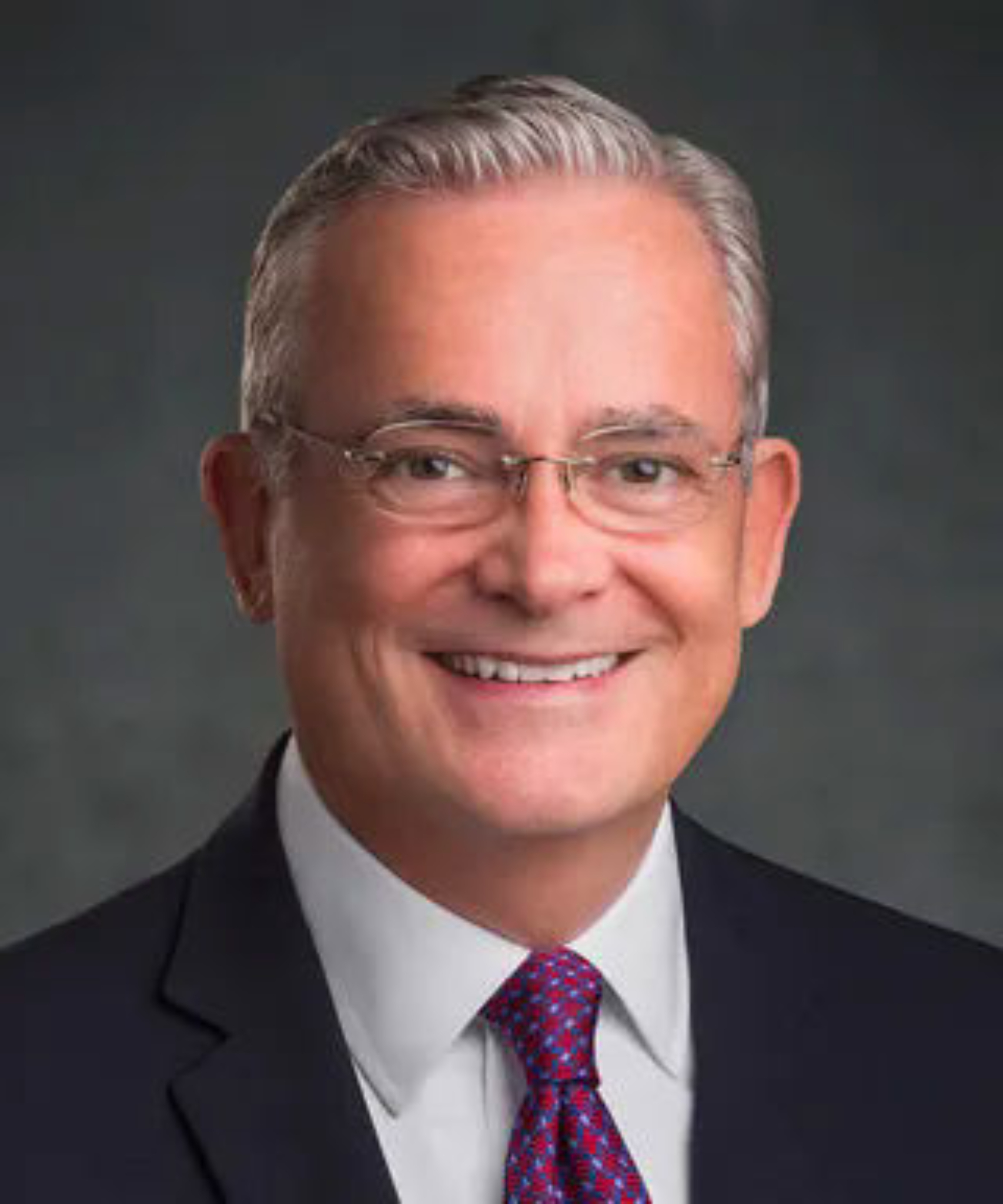
The conversation concluded with a reminder of compassion and the ability to move past mistakes, quoting Micah 7:19 regarding the casting of sins into the depths of the sea.
Whether a total digital detox or a curated feed is the answer remains a personal determination for the students.