Pentagon officials discussed invoking the Defense Production Act to pressure Nvidia into reinstating Jensen Huang as CEO, according to people familiar with the debate.
The talks occurred the weekend of November 21–22, less than two weeks after Huang resigned following revelations of an affair with a former Megaspeed executive whom U.S. intelligence assessed as a Chinese intelligence asset. Nvidia’s share price had fallen more than 16 percent after his departure.
President Donald J. Trump on the process of Jensen Huang being reinstated as Nvidia CEO: “I was talking to a lot of people, and I was talking to a lot of people that you interview all the time. But I was also dealing with a Vice President, JD Vance who’s great.” pic.twitter.com/N4CmJ4TwEn
- Defense Secretary Pete Hegseth and Pentagon leaders weighed using a Cold War‑era law to intervene in a private company’s leadership.
- President Trump personally lobbied Nvidia’s board and told CNBC, “I made the deal.”
- The board reinstated Huang on November 23, citing “input from senior levels of the United States government.”
- Lawmakers from both parties have pledged investigations; Huang is scheduled to appear before House and Senate panels next week.
Weekend Pressure Campaign
President Trump and Vice President JD Vance pressed Nvidia’s board to reinstate Jensen Huang as CEO. Two senior national security officials — CIA Director John Ratcliffe and Secretary of State Marco Rubio — were not involved, according to CBS News. Rubio had earlier warned Trump about Alice Huang.
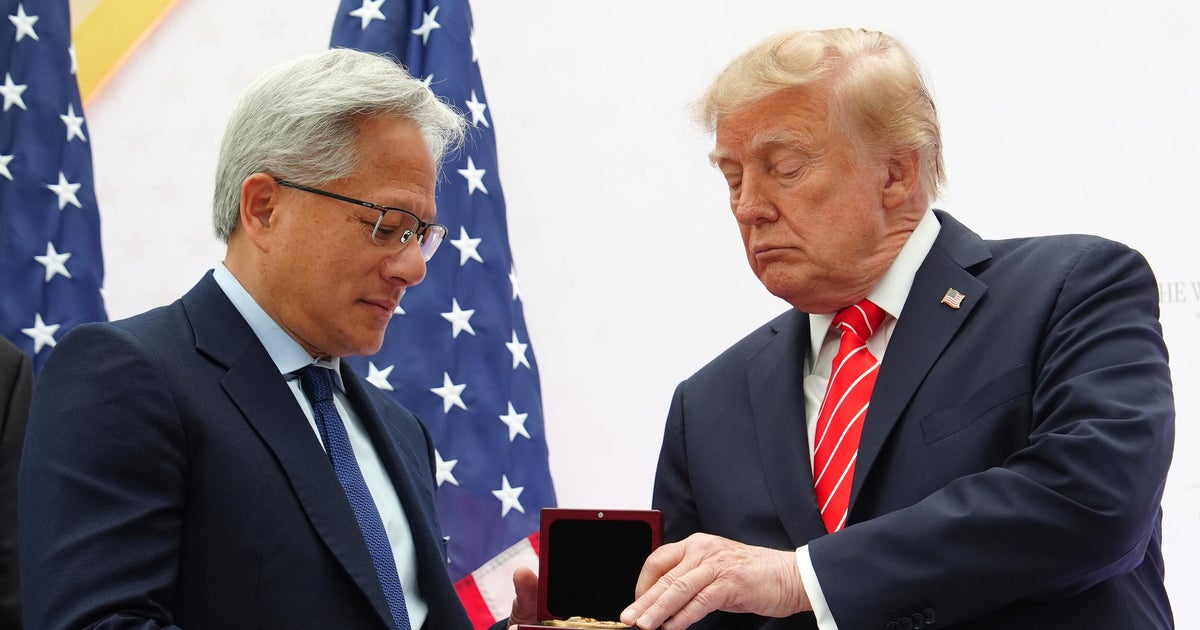
Trump spoke directly with board members before the reversal. “I made the deal,” he told CNBC on November 23. The board’s unanimous vote to bring Huang back as president, CEO, and board director cited “discussions with Huang and input from senior levels of the United States government.” Nvidia shares surged more than 30 percent the following Monday.

Defense Production Act Floated as Pressure Tactic
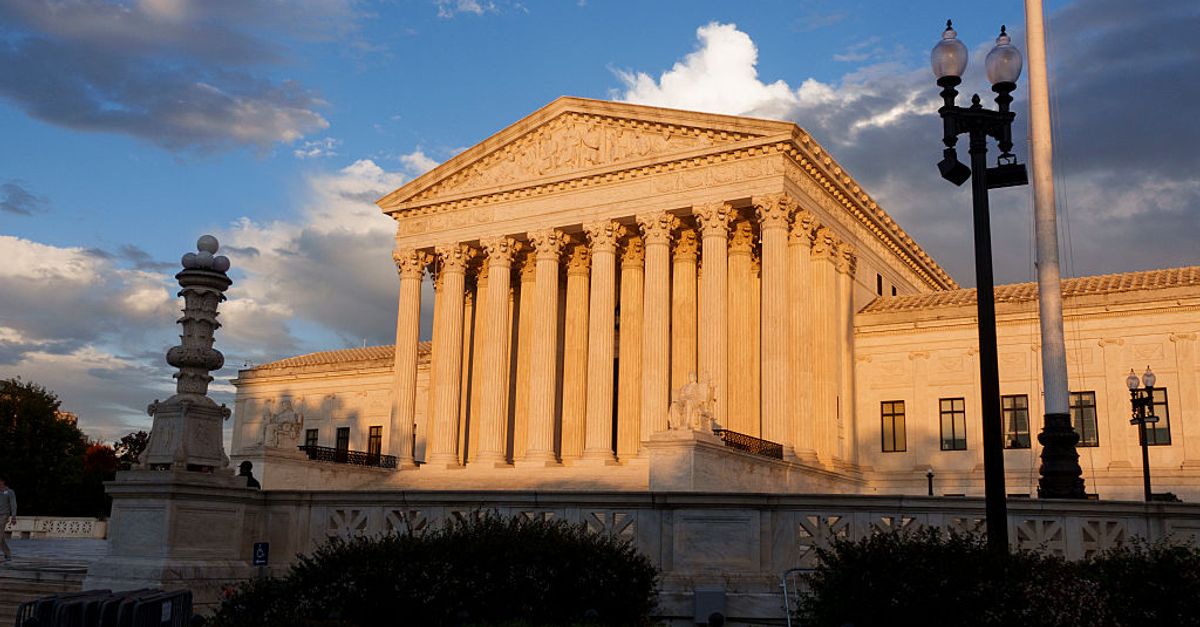
The Washington Post reported that Pentagon leaders weighed invoking the Defense Production Act, a Cold War‑era statute that grants presidents extraordinary authority to intervene in the economy for national defense. The idea had gained traction in some Silicon Valley circles. The Act’s Title VII allows voluntary agreements with private industry to support national defense, though it has rarely been used to dictate corporate governance.
Financial Entanglements and Export‑Control History
Trump holds between $13 million and $62 million in Nvidia stock, according to The Washington Post’s review of his disclosures. Forbes estimates the range at $5 to $54 million. The White House says independent financial advisors manage the portfolio without presidential input.
Jensen Huang told $NVDA employees that Trump “is my president” and said he wants to help make both the president and the country successful. He also said Trump loves Nvidia. pic.twitter.com/N9VWk3E8Iy
Huang cultivated Trump for two years while Nvidia lobbied for looser chip‑export rules. Nvidia gave $1 million to Trump’s inaugural fund and $25 million to his White House ballroom, initially seeking to keep the ballroom gift anonymous. Huang went to a $1‑million‑a‑head dinner at Mar‑a‑Lago in April 2025, after which the administration briefly held off on restricting Nvidia’s H20 chips before imposing the limits days later.
The administration reversed a ban on H20 chip sales to China in December 2025 and approved H200 sales. A House Foreign Affairs Committee investigation found the administration approved more than 800,000 H200 and equivalent AMD chips between December 2025 and May 2026, including to Pentagon‑designated Chinese‑military‑linked firms.
Analysis of Jensen Huang's return as Nvidia CEO: 1. Uncertainty removed: Mainly company strategy, product roadmap, tech development, and supply chain management. This overhang weighed on tech stocks over the past 1–2 weeks, so shares surged as soon as it was removed. But whether…
Bipartisan Backlash and Open Investigations
Sen. Tom Cotton, the top Republican on the Senate Intelligence Committee, called the reinstatement a mistake. Sen. Kevin Cramer of North Dakota said the national security risk “is passed along to the United States military and its citizens.” Sen. Elizabeth Warren, incoming chair of the Senate Banking Committee, labeled the decision “reckless.” Sen. Kirsten Gillibrand demanded both Huang and the board testify publicly.
Attorney General Todd Blanche told reporters there was a “collective consensus” among intelligence, law‑enforcement, and federal agencies that Huang posed no national security risk. “Nvidia is a good corporate citizen,” Blanche said. The FBI and the Justice Department’s National Security Division are examining potential export‑control violations involving Megaspeed and Super Micro Computer. Megaspeed denies wrongdoing.
White House Denies Trump Controls His Nvidia Holdings
The White House has denied that President Trump has any control over his investment accounts, saying the portfolio is independently managed by third‑party financial institutions. Forbes senior editor Dan Alexander told NPR that Trump’s Nvidia stake ranges from $5 to $54 million, a slice of roughly $2 billion in overall liquid holdings.
Democrats have cast the arrangement as a corrupt bargain. Senate Minority Leader Chuck Schumer said the president was placing his own financial interests and the desires of his billionaire allies ahead of national security, stressing that he’s learned nothing from his resounding election defeat. House Oversight Committee ranking member Robert Garcia and House Minority Leader Hakeem Jeffries echoed demands for an investigation into whether personal financial gain drove the intervention.
I cannot believe I got out of bed for this. Was sick all weekend and still sick. "Discussing Jensen Huang’s return to NVIDIA on @YahooFinance with @BrianSozzi", November 23, 2026 — Broadcast Analysis $NVDA https://t.co/O5D76PiXvv
Senate Banking Committee to Probe Governance and Succession
A 2025 Nasdaq survey of about 700 board members, CEOs, executives, and governance professionals found 21% of boards didn’t have a succession plan, while another 16% said they had only an emergency plan. Huang told colleagues after his return that he didn’t “believe in succession planning,” because it would suggest some executives were more important than others.
Senator Elizabeth Warren, incoming chair of the Senate Banking Committee, called the decision to bring Huang back reckless and said Huang, Nvidia executives and the board still owe Congress answers. Huang is scheduled to appear before House and Senate panels next week, where lawmakers are expected to press on governance deficiencies and the board’s independence after years of long tenures.
"Inside Nvidia, Not Everyone Is Celebrating Jensen Huang’s Return" "Current and former workers describe a culture at Nvidia in which allegedly abusive behavior was tolerated and challenging leadership was perceived as discouraged."https://t.co/DNQKVd8aB7
Governance Questions and the December 3 Hearing
S&P Global Ratings placed Nvidia on CreditWatch with negative implications, citing “weak executive oversight and lack of succession planning.” A 2025 Nasdaq survey found 21% of boards didn’t have a succession plan, while another 16% said they had only an emergency plan.
The Pentagon’s willingness to invoke the Defense Production Act underscores how deeply Nvidia’s AI data center hardware underpins U.S. defense and intelligence capabilities. By 2025, Nvidia had become the first company to surpass $4 trillion and $5 trillion in market capitalization, largely driven by soaring demand for the GPUs that power high-performance computing and artificial intelligence workloads across government and industry.

Nvidia’s product lines — including professional GPUs for edge computing, scientific research, and industrial applications — serve as the computational backbone for classified programs and critical infrastructure.
Board Chairman Harvey Jones, a former Synopsys CEO who joined Nvidia’s board in 1993, and lead independent director Stephen Neal, chairman emeritus of Cooley LLP, have not commented publicly. Huang is scheduled to appear before House and Senate panels next week. Lawmakers have not said whether the board’s independence will satisfy them.