Portland’s Letty Owings Center Closes, Straining Oregon Maternal Addiction Care
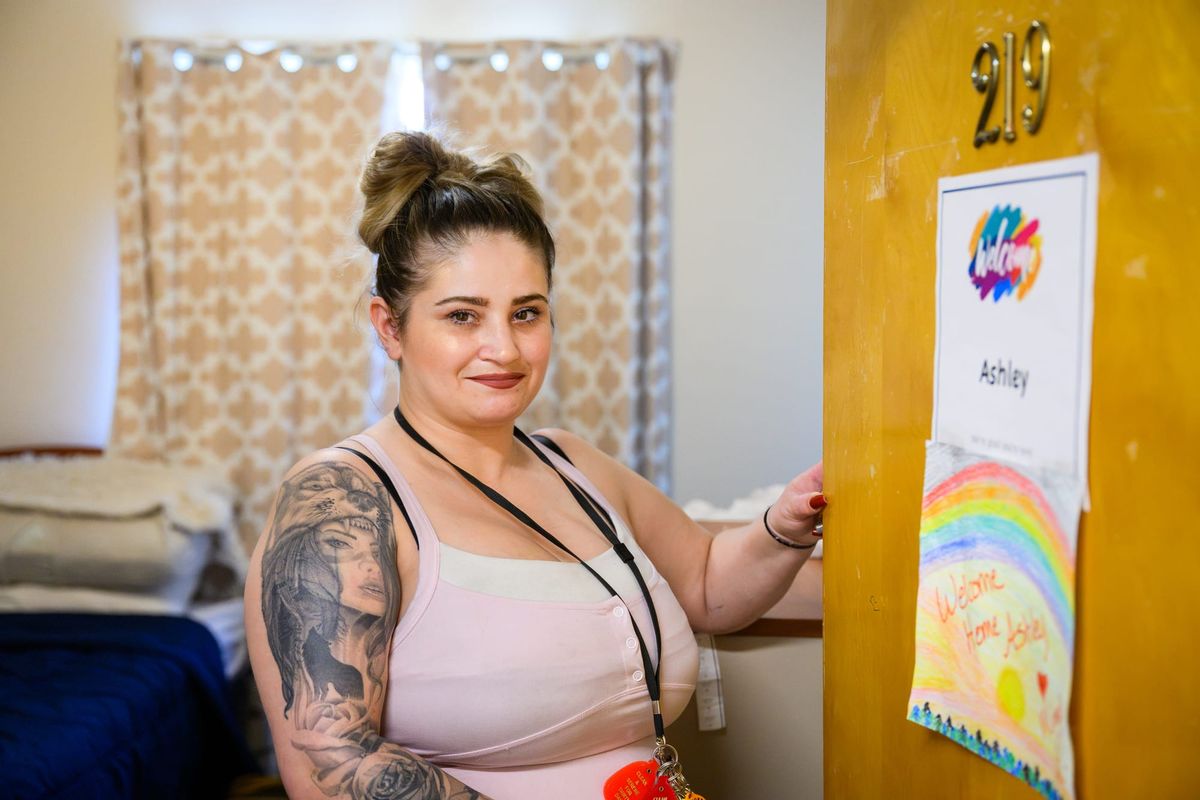
Room 219 at the Letty Owings Center in northeast Portland does not look like much more than a cramped dorm room. However, this space hosted the initial night Ashley Amorim shared with Jeremiah, her blue-eyed, smiling infant who she credited with inspiring her to turn her life around. Inside Oregon’s largest residential treatment center for pregnant and parenting women, Amorim spent four months working to break a 16-year cycle of using drugs. She took her medication, wrote down goals, processed grief and trauma with other mothers and counselors, and utilized child welfare allowances allowing four-month-old Jeremiah to spend two nights a week with her.
For 37 years, the facility provided mothers with children up to age five one of their best opportunities to access treatment while avoiding separation through foster care. But Amorim was one of the program’s last residents. InvestigateWest reported that the center closed permanently at the end of October, capping a year in which Oregon lost roughly 20% of its residential treatment beds for pregnant and parenting people. The closure arrives as public health research indicates that opioid use during pregnancy has increased substantially over the past decade, with substance use and mental health currently standing as the leading causes of maternal deaths in Oregon from pregnancy through the first year postpartum.
The Human and Systemic Toll of Shrinking Capacity
Fewer beds translate directly to fewer mothers entering treatment, which clinicians warn will drive an increase in family separations via the foster care system and put more lives at risk. The gravity of the situation was addressed directly by Diana Louise Smith, a clinical lead and certified nurse midwife for Project Nurture, which is an outpatient program at a Portland hospital combining maternal healthcare with substance use treatment.
“We’re probably going to see people die as a result of Letty closing. Every week, people (are) giving birth to their kids and then not having a place to go to treatment,” Smith said.
The closure of the Letty Owings Center reflects broad operational challenges across facilities serving pregnant women with substance use disorders. Programs face federal funding cuts, aging infrastructure, and rising costs required to provide care as increasingly potent substances make both mothers and babies sicker. Laura’s Place—a transitional housing program managed by the center’s operating nonprofit, Central City Concern, that provided annual housing for roughly 16 women and their children following the completion of their treatment at Letty—was also shut down by the organization.
“I just wonder, are we the canary in the coal mine?” remarked Tina Bialas, the head of the Letty Owings Center, who faces termination at the conclusion of November. “I think we are.”
Decades of Community Healing Face Unprecedented Strain
Thousands of mothers have passed through the center since its founding in 1989 by Nancy Anderson and Letty Owings in response to the rise of heroin and crack cocaine use. When Lynn James-Kiona arrived at the facility in 1991, she was recovering from losing custody of two children and trying to keep her new son. Counselors helped her process intergenerational trauma as a Black woman and a member of the Yakama Nation whose mother had been placed in a boarding school.
I didn’t get that nowhere — not even from my own mom or my own community,
James-Kiona recalled of the unconditional support she received from staff. Decades later, James-Kiona serves as a tribal elder and founder of the Mary Kiona Foundation, having long since reconciled with her children.
Today, the state’s rate of substance use disorders exceeds the national rate. While statewide overdose deaths began to drop in 2024, health officials remain uncertain how federal health care cuts will alter that trajectory. Although Kotek’s administration has supported the creation of more than 200 new beds statewide with hundreds more in development, beds dedicated to pregnant people are not specifically tracked by the state.
An analysis by HealthShare of Oregon estimated that roughly 550 pregnant individuals needed treatment for psychosis, stimulant, or opioid use disorders in 2024. Even if only a quarter of those patients required residential care, the demand would exceed the entire state’s remaining capacity for pregnant and parenting people, which InvestigateWest estimated at approximately 120 beds.
Rising Clinical Complexities Meet Financial Dead Ends
Compounding the capacity crisis is the severity of health conditions patients present upon arrival. Purer and more potent methamphetamine drives frequent mental health crises and psychosis, while fentanyl requires longer treatment timelines and higher doses of medications like methadone and buprenorphine.
We’d see a lot of folks really struggling with sleep, struggling with staying awake during the day, struggling with their mood, struggling with unusual thoughts,
noted Dr. Amanda Risser, chief medical officer for Central City Concern. Pregnant women with substance use disorders also face elevated risks for hemorrhage, preeclampsia, premature birth, low birth weight, and neonatal abstinence syndrome.
Central City Concern leadership stated they reached a breaking point this summer amid a growing deficit and expensive building repairs. Restructuring operations to meet modern clinical needs would have increased costs by $2 million annually, while Letty’s projected deficit for 2027 stood at $1 million. With no other provider possessing the capacity to take over management, the math no longer worked.
A spokesperson for Oregon Governor Tina Kotek stated that the governor directed the Oregon Health Authority and the Department of Human Services to establish a cross-agency team to formulate recommendations addressing immediate risks, underlying systemic funding, and operational concerns.



