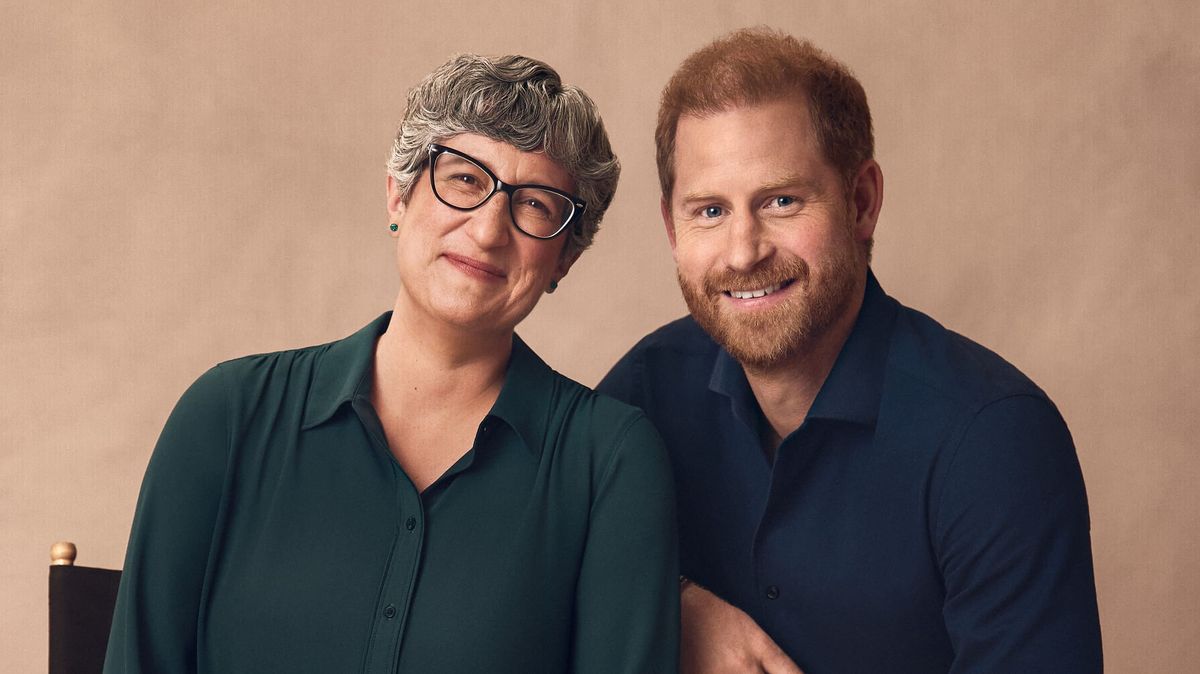
A Richmond-based nonprofit helping children cope with the trauma of loss is expanding its reach through a partnership with Prince Harry and the educational platform MasterClass. Comfort Zone Camp, which provides free weekend retreats for grieving youth, was selected by the British royal as the U.S.-based organization to be featured alongside his new video series, “Redefining Grief: Building Resilience Through Loss.”
The collaboration transforms a personal narrative of royal tragedy into a practical resource for children.
A royal vetting process begins with a suspicious email
The partnership didn’t start with a gala or a formal diplomatic invitation. Instead, it began with an email that Jamie Hughes, marketing manager at Comfort Zone Camp, initially suspected was a scam. The message from San Francisco-based MasterClass was vague, prompting Hughes and her mother, CEO Lynne Hughes, to treat the subsequent introductory phone call as a cautious exploration.
That caution turned into a significant win for the Richmond organization. Prince Harry, who lost his mother, Princess Diana, in a 1997 car crash when he was 12, personally vetted and selected Comfort Zone as the American partner for his initiative. The other selected organization, Scotty’s Little Soldiers, operates in the United Kingdom.
The resulting MasterClass is a 1 hour, 39-minute course divided into 20 lessons. It blends Harry’s personal reflections—including his admission that he once felt he had to remain sad to prove he missed his mother—with the scientific expertise of Arizona-based neuroscientist and psychologist Mary-Frances O’Connor.
Prince Harry partners with grief neuroscientist Dr. Mary-Frances O'Connor on the MasterClass "Redefining Grief: Building Resilience Through Loss," using personal experience and research to explore how grief impacts the mind and body and how to turn pain into purpose.MasterClass… pic.twitter.com/hIYeJFwwqz
“Your brain doesn’t register your loved one as gone,” she said during one session. “It registers them as lost. And it will keep searching until you teach it otherwise.”
The human stakes of childhood bereavement
For the children served by Comfort Zone Camp, the “so what” of this partnership is found in the validation of their internal chaos. The organization, founded by Lynne Hughes in 1998 after she lost both parents by age 12, operates on the premise that grieving children are often told to act like it didn’t happen.
The stakes are highest for those whose losses are complicated or stigmatized. During a recent camp in Michigan, Lynne Hughes encountered a 16-year-old Division I baseball recruit who had lost his father to suicide. Despite his athletic success and outgoing personality, the teenager remained hesitant to speak about his grief until other campers began sharing their own stories.
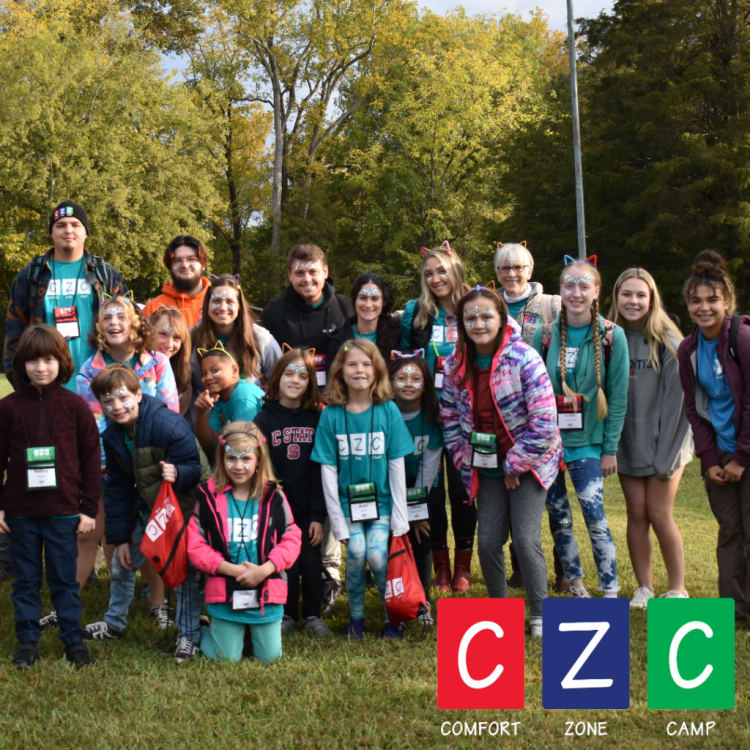
This “contagious” sharing is the core mechanism of the camp. By removing distractions—cell phones and televisions are banned—the organization creates a “bubble” where children can express the messy, knotted emotions of loss without judgment. This peer-to-peer vulnerability allows children to realize that their “ugly” emotions are actually normal.
From a 2001 magazine cover to a digital expansion
There is a poetic symmetry to the connection between the Hughes family and Prince Harry. In 2001, Comfort Zone was featured in a three-page spread in People magazine. On the cover of that same issue, a young Prince Harry appeared alongside his brother William in a story titled “Boys To Men,” which focused on their sports and adventures but omitted any mention of the grief they were carrying.
Today, the organization is using the MasterClass visibility to pivot toward a larger digital footprint. Comfort Zone has launched TikTok content featuring Richmond youth discussing loss, aiming to double the organization’s size in the coming years. This expansion is critical because, as one teenage girl noted in a recent video, adults often tell stories about the deceased and cry, but rarely ask the grieving children how they actually feel.
Scaling the ‘Bubble’ of Support
Comfort Zone Camp currently operates more than 30 camps annually across 12 states, having reached an estimated 27,000 children and young adults. The trajectory of the organization was fundamentally altered in late 2001 when Lynne Hughes expanded operations to New York and New Jersey to support children affected by the September 11 terrorist attacks.
The MasterClass serves as a scalable extension of the camp’s physical mission. While the weekend retreats provide an intensive, immersive experience, the digital course offers a low-barrier entry point for families who may not have the means or the proximity to attend a physical camp.
The course is available to MasterClass subscribers, with plans starting at $10 a month, providing a structured path for those looking to rebuild their lives after a defining loss.



