Quebec Plans Diplomatic Pivot Following U.S. Midterm Results
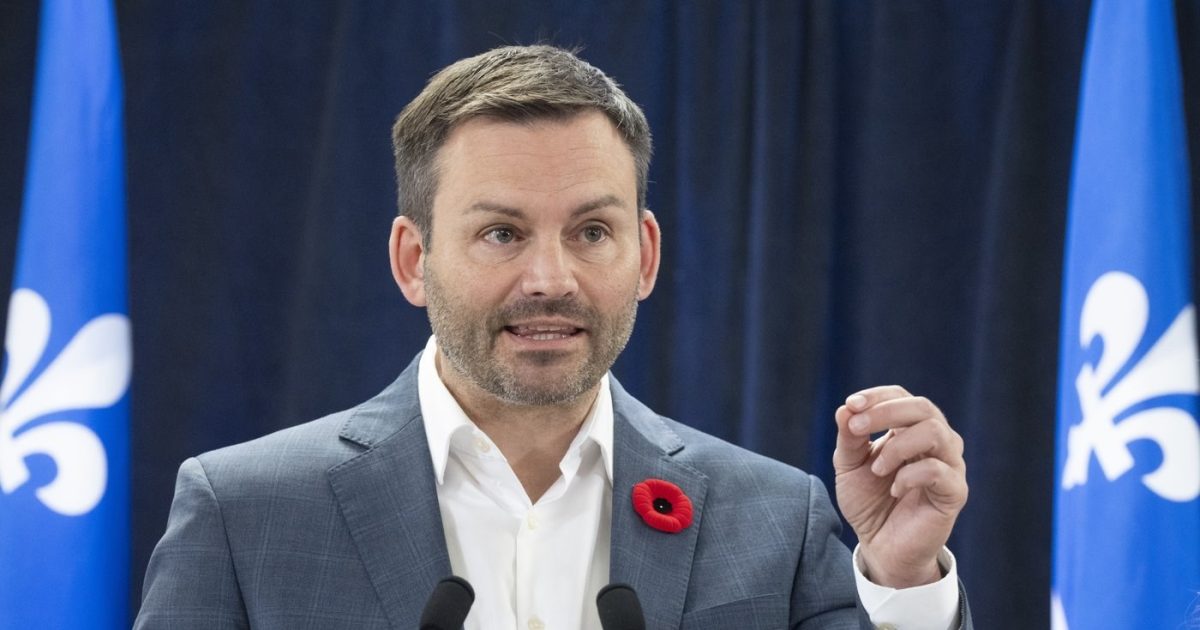
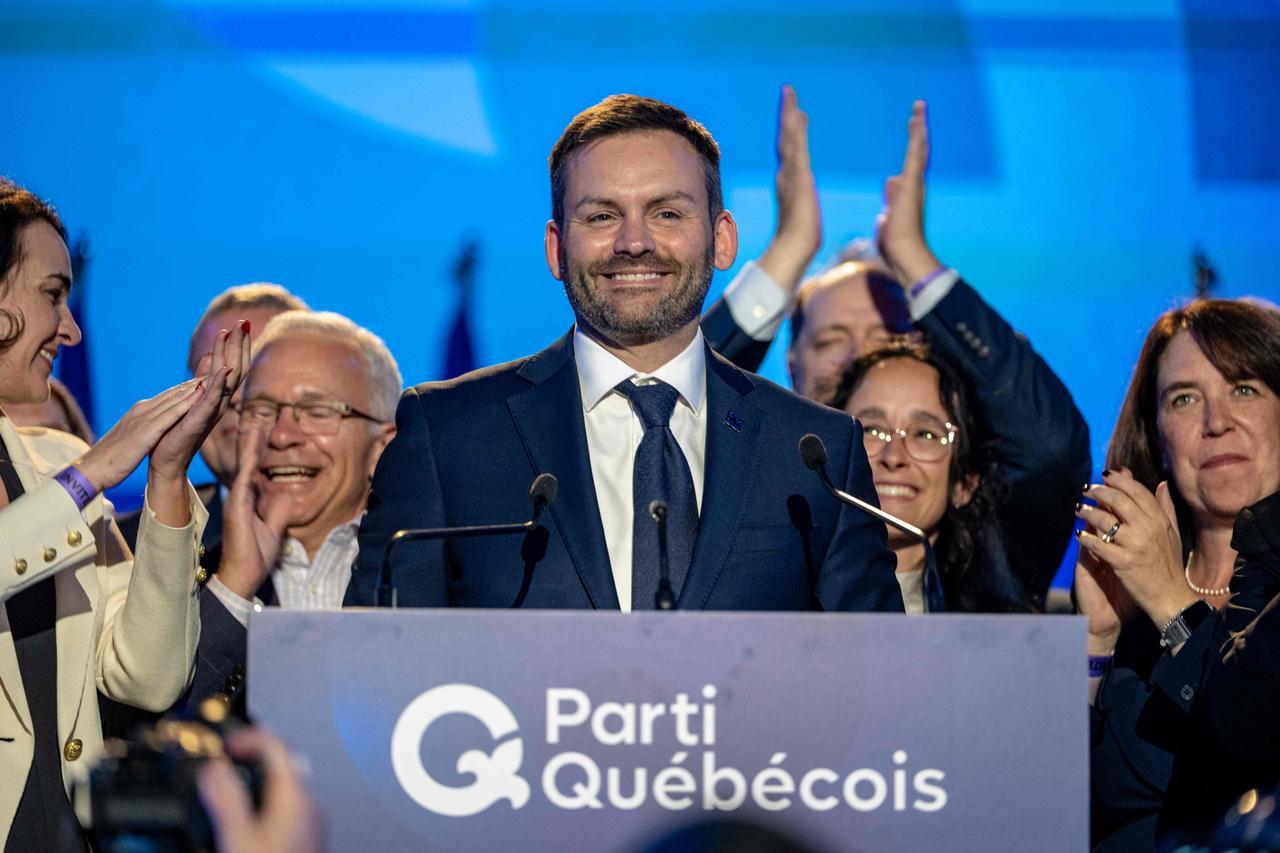
Quebec Premier Paul St-Pierre Plamondon is preparing a fresh diplomatic push into the United States, aiming to capitalize on a change in Washington’s power structure. Following the midterm elections, in which the Democratic Party secured control of both houses of Congress, the Premier views the current political climate as a window of opportunity to address the ongoing trade disputes that have strained the provincial economy.
St-Pierre Plamondon believes the electoral rejection of U.S. President Donald Trump’s policies creates a more favorable environment for Canada and Quebec to find allies south of the border. With Democrats flipping long-held Republican Senate seats in states like Texas, Kansas, and South Carolina, the political calculus in Washington has shifted, and the Premier intends to open new channels of communication with American lawmakers to seek relief from tariffs on softwood lumber, aluminum, and various manufactured goods.
The Economic Stakes for Quebec’s Industry
For provinces like Quebec, this is an economic necessity. The tariffs on aluminum and forestry products have created prolonged uncertainty for businesses and communities that depend on cross-border commerce. While the Premier is optimistic that the change in congressional leadership could help resolve these trade tensions, he has stopped short of suggesting that Quebec will launch direct trade negotiations with the Americans—at least for now. Instead, the focus remains on building rapport with key American counterparts who may be more receptive to easing current restrictions.
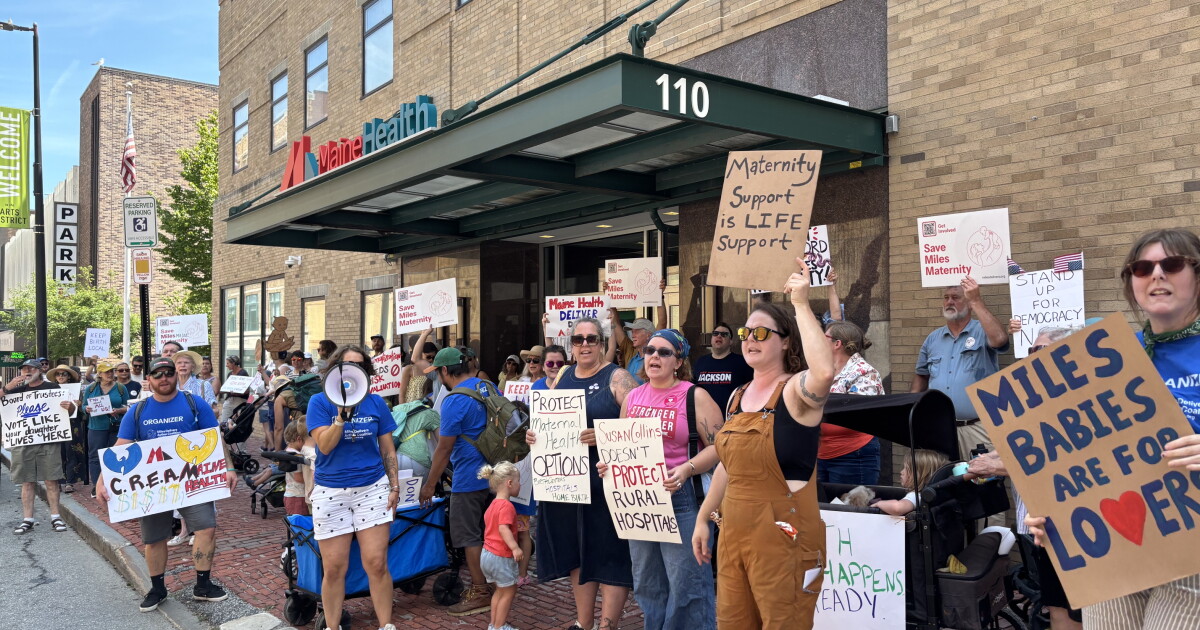
The urgency of this initiative is highlighted by the recent electoral map. In states like Maine and Michigan, where trade with Canada became a central ballot box issue, Democratic candidates successfully unseated their Republican rivals. This electoral trend suggests that the trade policies have faced a tangible backlash, providing the Quebec government with a potential opening to frame their concerns in a way that resonates with the new congressional majority.
St-Pierre Plamondon and Mark Carney Face Ongoing Friction
While the Premier looks toward Washington, the path forward is complicated by ongoing friction closer to home. St-Pierre Plamondon and Prime Minister Mark Carney have not held an in-person meeting since the provincial election on October 5, though the two have communicated by phone. Tensions flared recently when the Premier did not attend the Canada-European Union Summit in Montreal, following a dispute over his lack of official speaking rights at the event.
“I think we’re in a better position to possibly find a solution because Americans have spoken, the situation has changed,” St-Pierre Plamondon told reporters in Quebec City. “So what we’re going to do is prepare a diplomatic offensive of discussion with the Americans to see if there isn’t a solution.”
Despite the recent frostiness between the provincial and federal leadership, the Premier has accepted an invitation to meet with the Prime Minister. The logistics of that meeting remain a point of contention, with the Premier insisting that it take place in Quebec City, though he noted that a conversation might occur at the upcoming Francophonie summit in Cambodia later this month.
Whether this “diplomatic offensive” will lead to a concrete reduction in tariffs remains the open question. The Premier has signaled that he intends to prioritize establishing these lines of communication before committing to a formal negotiation strategy. For now, Quebec’s government is positioning itself to handle a Washington that is, at least on paper, fundamentally different from the one that existed before the midterms. The effectiveness of this approach will depend on how quickly these new channels can be opened and whether the political change in Congress translates into actual shifts in trade policy.