The day after Thanksgiving brings an unwanted tradition to home plumbing systems nationwide, earning the grim moniker “Brown Friday” among contractors who face a massive surge in emergency calls, according to USA Today.
Service Calls Spike 50% on Day After Thanksgiving
Commercial plumbing companies report that service requests spike dramatically on the Friday following Thanksgiving compared to a normal weekday. Roto-Rooter’s historical service data shows that the company receives approximately 50% more service calls on this single day than on an average Friday.
Other regional providers see similar jumps. Plumbing companies in Decatur expect a 40% to 50% increase in service calls, while a survey from SupplyHouse indicates that 49% of plumbers identified pouring grease, fat or oil down the sink as the most common mistake Thanksgiving hosts make.
“The day after Thanksgiving is typically one of the busiest days of the year for the plumbing industry, with kitchen drains and garbage disposals tending to be the biggest source of plumbing calls.”
Compain, via USA Today

Emergency visits during the holiday carry a heavy financial penalty for homeowners. Contractors note that holiday rates run significantly higher than standard service calls.
“Costs haven't gone up drastically versus last year, but emergency visits or those on a holiday after hours are always going to cost more, ranging between $300-$1,500 extra versus a normal day.”
Compain, via USA Today
Grease and Food Scraps in Kitchen Drains
While overflowing toilets contribute heavily to the holiday workload, kitchen sinks bear the brunt of improper food disposal. Survey data shows that 49% of plumbers identify pouring grease, fat, or oil down the sink as the single most common mistake holiday hosts make. When asked which specific item causes the most damage, 57% of plumbers point to turkey grease, followed closely by potato peels at 19%.
Municipal water authorities and plumbing experts warn that garbage disposals cannot safely handle heavy holiday waste.
“One of the most persistent misconceptions in residential plumbing is that garbage disposals function as a catch-all for kitchen waste, but that assumption leads directly to some of the most avoidable holiday service calls contractors receive,” said Carney.
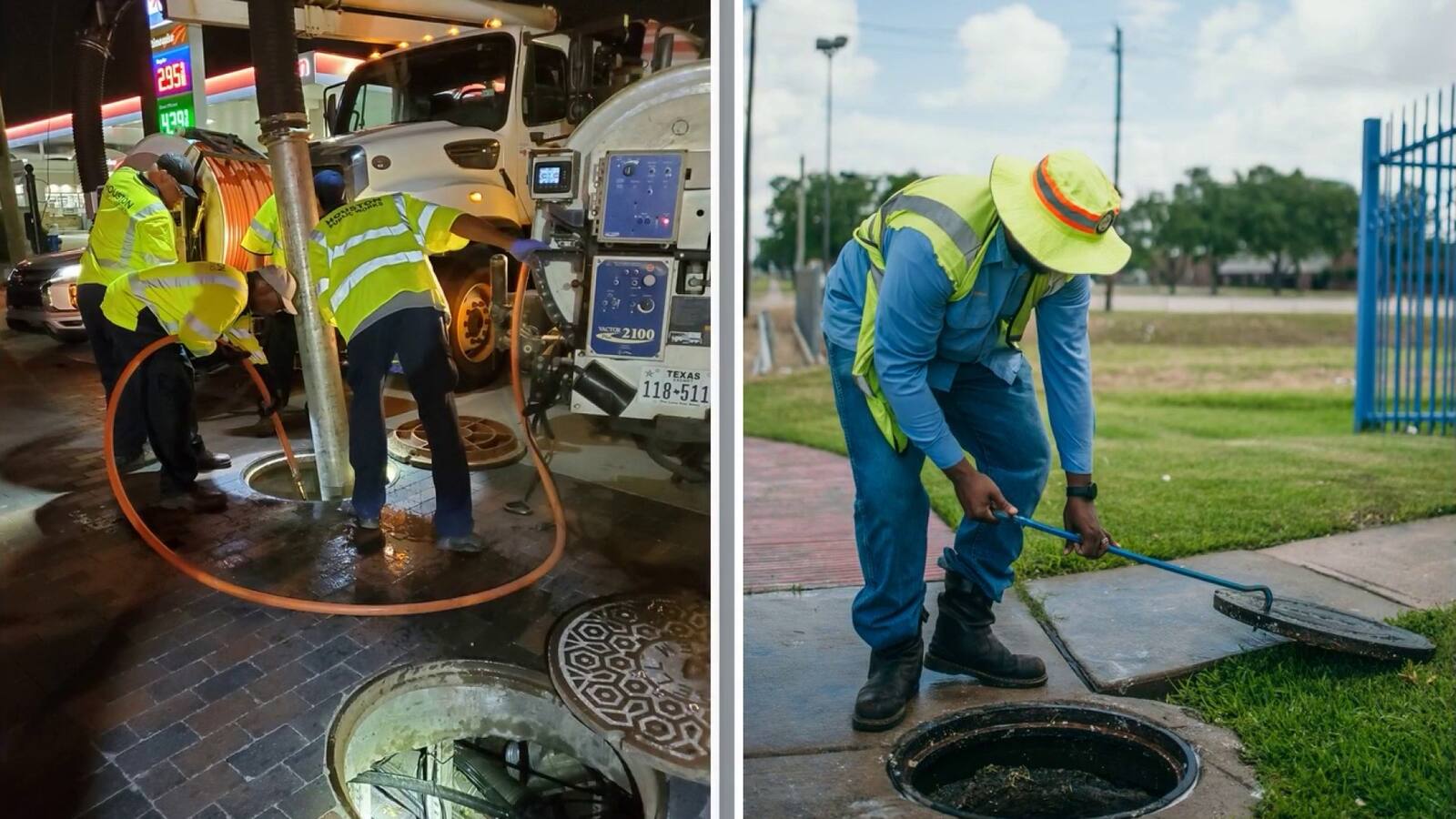
When hot fats and cooking oils go down the drain, they cool rapidly and solidify along the interior pipe walls, progressively choking the passageway until wastewater backs up. City utility crews in locations like Houston and Corpus Christi report that congealed grease acts almost like concrete inside sewer mains, threatening neighborhood infrastructure alongside individual homes.
Bathroom Overload and Heavy Usage
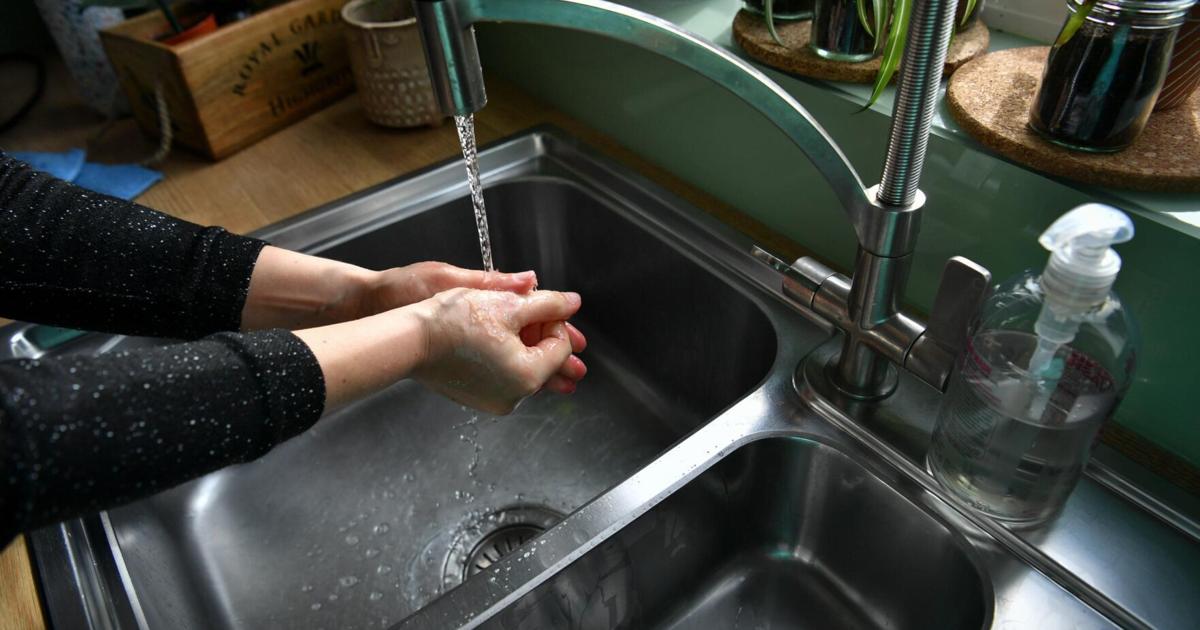
The strain on household plumbing extends well beyond the kitchen. Hosting dozens of guests increases the volume of wastewater moving through a home simultaneously.
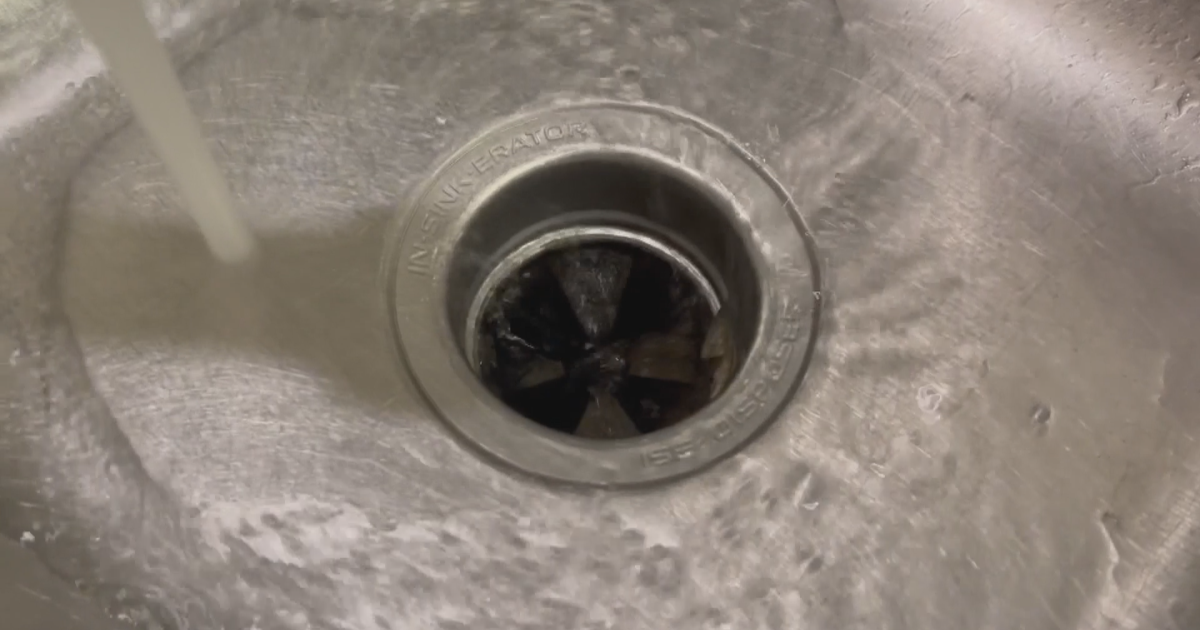
“A holiday gathering places stress on far more than the kitchen sink. The combined demand of multiple guests increases the water volume moving through the home all at once.”
Carney, via Supply House Times
Consecutive showers, heavy dishwasher cycles, and continuous toilet flushing expose existing vulnerabilities in aging or poorly maintained plumbing systems. Industry experts advise homeowners to manage water consumption carefully during gatherings and to avoid flushing sanitary wipes, which fail to break down like toilet paper and frequently catch on internal pipe obstructions to cause severe main-line clogs.
Preventing Blockages and Managing Grease
To prevent costly plumbing emergencies, Mohammad Jamshad of Sewer Squad demonstrated what happens to cooking oil after it sits for an extended period. In Baltimore, Deputy Bureau Head Paul Sayan explained that the Department of Public Works provides small lids to cover grease cans so the contents solidify securely before disposal.
Griffen Steelman with Jackson Plumbing suggested using paper plates and allowing grease to cool inside a glass jar rather than washing scraps down the kitchen sink. Meanwhile, Chuck Doucet with Lafayette’s 1 Tom Plumber recommended running plenty of water and using Dawn dish soap when operating the garbage disposal.
Inspecting Infrastructure and Clearing Main Lines
Utility crews actively monitor municipal systems for holiday accumulations, as Ivan McCoy and Jason Locklear of Baltimore’s Department of Public Works showed while lowering a camera into manholes to check for fats, oils, and grease. During their inspection, McCoy discovered a trouble spot choked with roots and grease on Lake Avenue, prompting a second crew with a pressure truck to clear the blockage in minutes.
In Corpus Christi, utility personnel demonstrated a model of a grease-clogged pipe alongside footage of actual blockages to illustrate how hardened waste restricts wastewater collection systems. Tom English of 800.com said that these emergency repair calls arrive all at once during a period when small shops have the fewest staff available to answer them.
Preventative Measures and Utility Warnings
Municipal agencies and utility departments actively issue seasonal notices instructing residents to keep turkey drippings, gravy, oil, and butter out of household drains entirely. Officials recommend allowing cooking oil to cool inside its original container or a metal can before tossing it into the trash. In Oklahoma City, residents can drop off large quantities of oil from outdoor turkey fryers at the designated hazardous waste collection facility on South Portland Avenue.
Plumbers also advise scheduling drain checkups ahead of peak holiday seasons to clear out pre-existing buildup and avoid emergency rates. Experts suggest scraping all leftover food remnants into bins rather than washing them down the sink, while homeowners dealing with localized backups can attempt to clear minor stoppages using a standard sink plunger before calling in professionals.