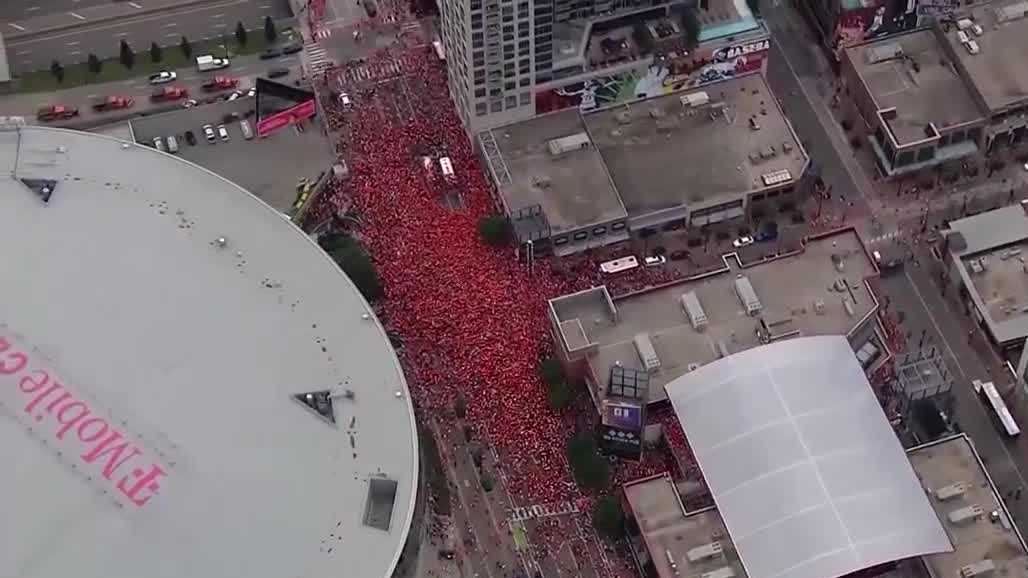
Kansas City may be the smallest host city of the World Cup, but it just walked away with a staggering $1.5 billion in estimated media value. According to survey results released by KC2026, the city managed the logistics of six matches in June and July and created a positive impression of the region.
The data suggests a massive win for the city’s global image. International visitors described Kansas City as a “hidden gem,” while between 75% and 82% of seasoned World Cup attendees rated the KC experience as “better” or “a lot better” than previous tournaments they had attended. For a city often dismissed as “flyover country,” these numbers represent a successful pivot toward becoming a recognized global sports destination.
The $1.5 Billion Marketing Windfall
You can’t simply buy the kind of attention Kansas City received this summer. KC2026 CEO Pam Kramer noted that the media coverage—ranging from the New York Times to European staples like The Mirror and the Daily Mail—created a marketing campaign that would have cost $1.5 billion to purchase as traditional advertising. This exposure wasn’t just about the games; it was about the organic, human moments that leaked into the global feed, like England players riding bikes to get ice cream or the bonding between Algerian fans and residents of Lawrence.
This isn’t just a vanity metric. The “so what” here is economic trajectory. By focusing on the experience regarding transportation and other requirements of the event, Kansas City is looking to use that momentum for other national and international events. The Kansas City Sports Commission is already working to bring the next big events to town.

Kramer said the World Cup has gone a long way to put KC in conversations it has not been in before.
High Satisfaction vs. Local Skepticism
The numbers on visitor satisfaction are high across the board, though they vary slightly by demographic. According to the survey data shared by KC2026, the sentiment was overwhelmingly positive:
| Group Surveyed | Satisfaction Rate |
|---|---|
| Metro Residents | 94% |
| Fan Fest Attendees | 88% |
| International Visitors | 86% |
However, not everyone is celebrating the balance sheet. Reporting from TonysKansasCity suggests a more cynical view, claiming the event cost significantly more in local taxpayer funds than it generated in direct revenue, leaving some locals with an “empty feeling” once the soccer hype faded.
This tension highlights the classic struggle of “mega-event” hosting: the gap between media value (which is an estimate of exposure) and actual cash flow (which is what pays for the roads and police). While $1.5 billion in “value” looks great on a slide deck, it doesn’t always translate to a lower tax bill for the average resident.
Sports as the New Economic Engine
Kramer noted that data shows the word “sports” is Kansas City’s fastest-growing brand association.
The physical legacy of this shift might be as simple as a piece of art. KC2026 is currently working to trademark the heart-shaped arch that welcomed visitors to the FIFA Fan Fest, with plans to place versions of the structure in permanent locations, potentially including the new Royals stadium at Crown Center.
As the central question remains: will the “hidden gem” status translate into long-term trade partnerships and investment, or was this simply a high-priced party that the city is now tasked with cleaning up?