Billings is considering expanding permanent parking at the Amend Recreation Campus after a high-traffic Saturday revealed significant infrastructure gaps when all three campus facilities operate simultaneously. The city is now evaluating the conversion of an existing overflow area into a fully paved lot to prevent illegal parking and improve visitor experience during peak events.
The Amend Recreation Campus (ARC) consists of three facilities, and a recent “stress test” showed that the facility’s success is currently outstripping its pavement. When thousands of people descended on the campus last Saturday, the result wasn’t just a crowd—it was a logistical bottleneck. The pressure became so intense that some drivers abandoned the designated lots entirely, jumping curbs to park on the grass. The city’s parking division responded by issuing 14 tickets for illegal parking.
The struggle to balance peak demand
The ARC consists of three separate facilities, and it is rare for all three to host major events at the same moment. However, when they do, the existing infrastructure fails.
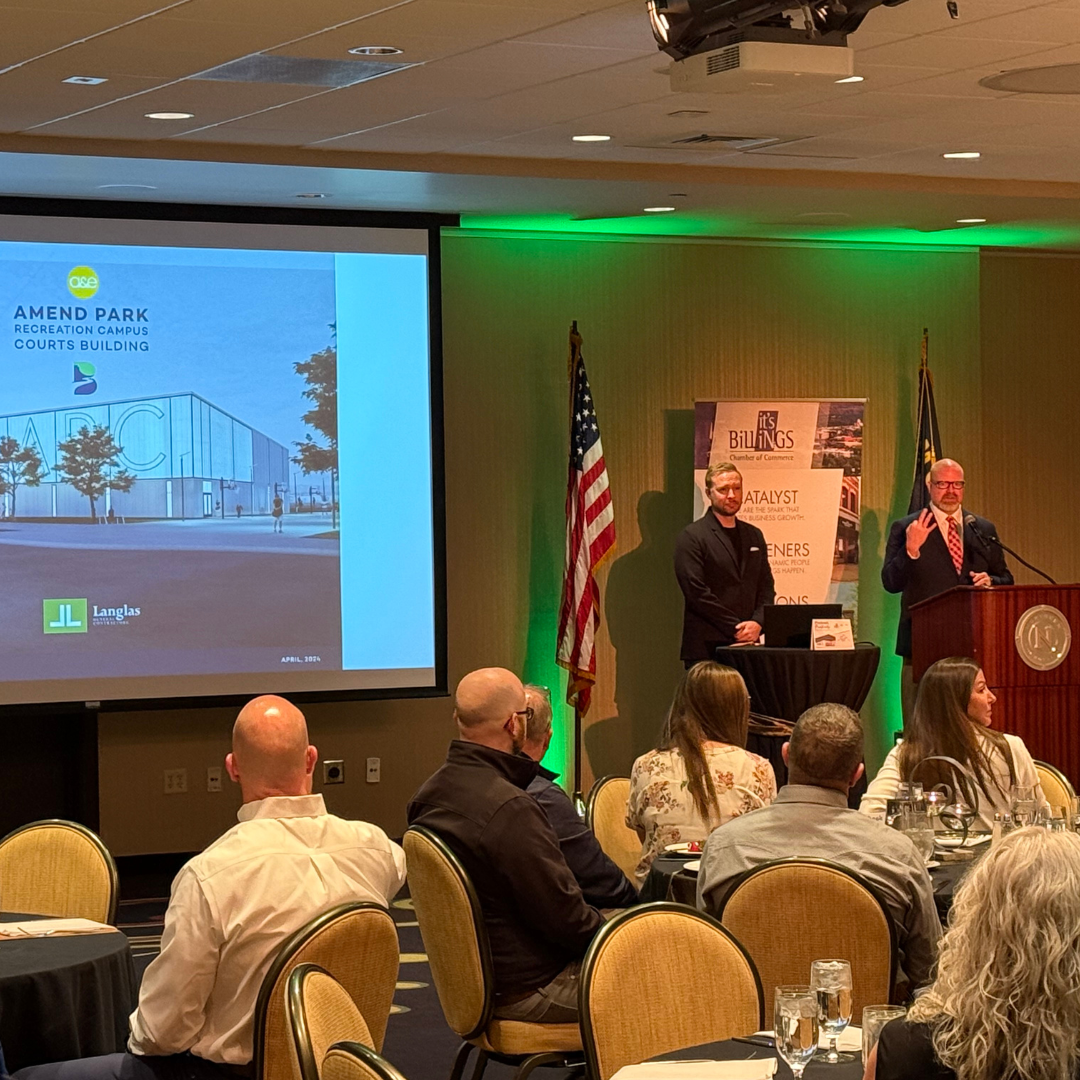
“We knew that there was going to be crazy busy,” Facility Supervisor Chris Martin said. He added that it was a good test to see what was needed and what solutions would be needed in the future.
The immediate solution on the table is “pat site four,” a plot of land located to the northeast of the buildings. Currently, this area serves as an overflow zone, but it lacks the formal infrastructure of a parking lot. Martin has expressed a preference for transforming this site into a permanent, fully paved, and functional lot if the city determines that is the most efficient use of the land.
This isn’t just about avoiding tickets or protecting the grass; it’s about the user experience. If visitors find the experience of arriving at an event frustrating or stressful, the “user experience” is compromised.
The cost of a “big win”
Visit Billings Executive Director Aly Eggart noted that the odds of all three facilities running at full capacity multiple times a year are relatively low. From a tourism and community perspective, having even two of the three facilities operating at full capacity is considered a significant victory for the city.
But the “big win” of high attendance creates a tangible cost. When parking fails, the impact ripples outward. Illegal parking doesn’t just damage the city’s landscaping. The 14 tickets written on Saturday are a data point proving that drivers will prioritize proximity over legality when the official options vanish.
Ultimately, the city is weighing the frequency of these weekends against the cost of permanent construction. If the ARC is to truly house events that are “awesome,” as Martin puts it, the experience has to start in the parking lot, not at the front door.