The Unlikely Survival of a Ski Shop in the Land of Swamps and Hurricanes
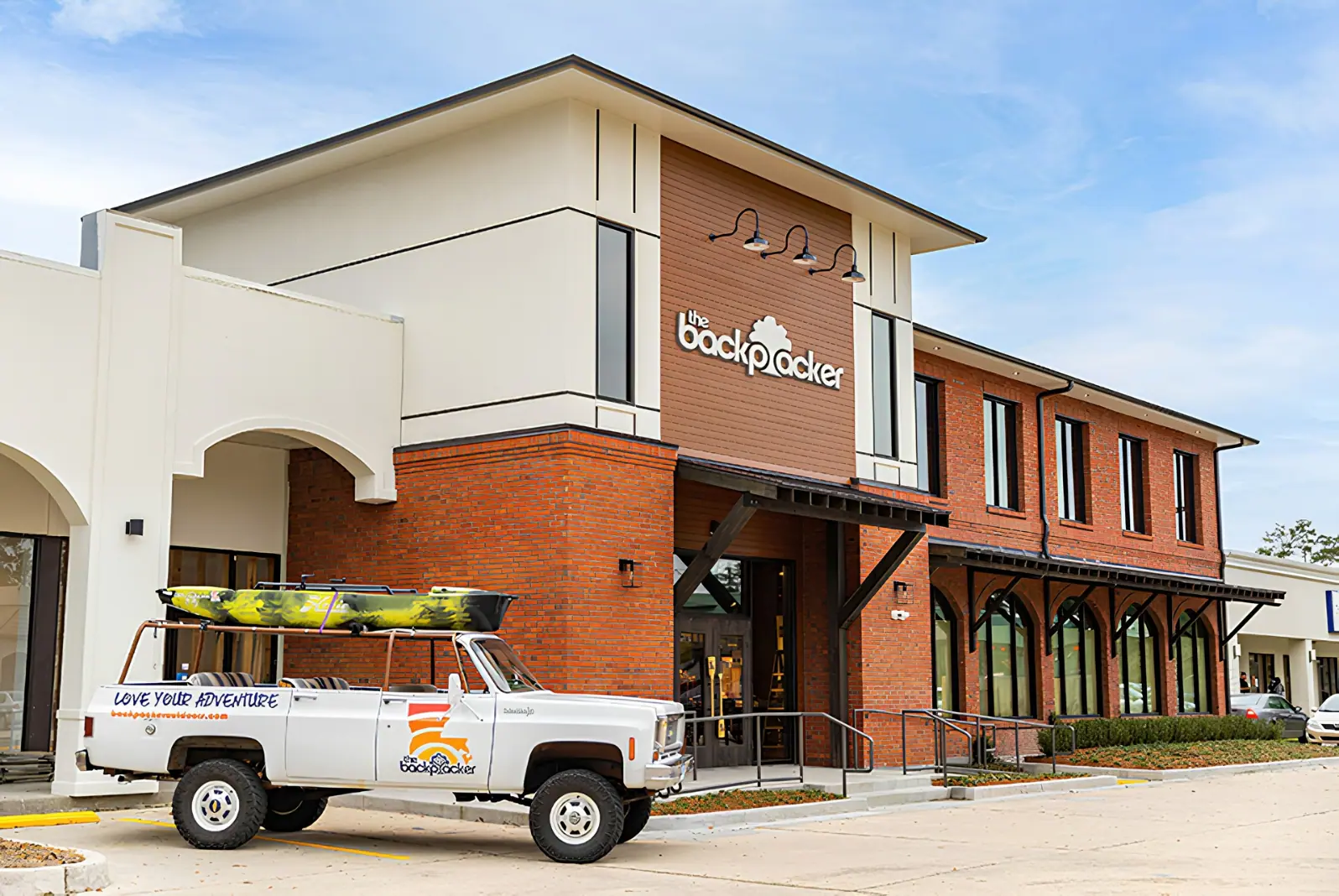
For 50 years, The Backpacker in Baton Rouge has defied geography, culture, and economic odds to become a cornerstone of winter sports in a state where snow is a myth. The story of how a Louisiana ski shop thrives without a single mountain to its name reveals a deeper truth about American resilience and the power of community, according to a SnowBrains report on regional outdoor traditions.
The Unlikely Birth of a Ski Culture
In 1974, Dale Mathews, a Louisiana State University student, noticed a peculiar pattern: his classmates were willing to travel 1,200 miles to Colorado for snow, but they were ill-prepared for the cold. “They showed up in duck-hunting jackets and jeans,” his son Michael recalls. “It was like sending a Cajun to the Arctic without a plan.” The solution? A store that sold not just gear, but expertise. The Backpacker was born as a “side hustle” to outfit these travelers, but its roots in Louisiana’s love of gathering and adventure would shape its longevity.
The shop’s first major innovation wasn’t a product—it was a gimmick. In the 1980s, Mathews built an indoor ski slope in the same building that now houses the retail store, naming it Mt. Sneaux. “It wasn’t about real skiing,” Michael says. “It was about creating a ritual.” Today, the annual “Mt. Sneaux Day” on Black Friday sees the parking lot transformed into a snow playground, a tradition that blends Louisiana’s love of celebration with the allure of the snow.

How a State Without Snow Built a Skiing Empire
The Backpacker’s success hinges on a paradox: it’s a ski shop in a place where snow doesn’t fall. Yet Louisiana’s outdoor culture—rooted in fishing, hunting, and community—provided the perfect foundation. “We didn’t just sell gear,” Michael explains. “We sold a lifestyle.” This ethos became the bedrock of the shop’s Mardi Gras in the Mountains trips, which began as a college ski club and evolved into ALPINR Mountain Travel. Over 25,000 skiers have taken these annual journeys to Aspen Snowmass, turning a regional tradition into a national phenomenon.
The Backpacker’s story shows how a shop can become a community institution even in the most unlikely places.”
The shop’s ability to adapt has been critical. When the indoor slope was replaced by retail space, the Mathewses pivoted to online sales and global travel. Today, their website ships gear nationwide, and Michael’s ALPINR World Tour—skiing all seven continents in a year—has become a digital sensation. “It’s not just about the snow,” he says. “It’s about connecting people to places they’ve never imagined.”
The Economic Battle for Independent Retailers
Running an independent ski shop in 2026 is a brutal business. Rising costs, shifting weather patterns, and competition from big-box retailers have pushed many small shops to the brink. Yet The Backpacker has endured, not through gimmicks, but through relationships. “Families who bought their first ski boots from my dad are now bringing their grandchildren,” Michael says. “That’s the real secret.”
What This Means for the Future of Retail
The Backpacker’s story offers a blueprint for survival in a fragmented market. By focusing on community, storytelling, and personalized service, it has carved out a space that mass retailers can’t replicate. For Louisiana’s outdoor enthusiasts, it’s more than a store—it’s a cultural anchor. For the broader retail sector, it’s a reminder that human connection can outlast algorithmic efficiency.
Yet the question remains: Can this model scale? As climate change alters weather patterns and consumer habits shift, even the most resilient businesses will face new challenges. The Backpacker’s next 50 years may depend on its ability to evolve without losing the soul that made it unique.
The Mountains in Our Hearts
At its core, The Backpacker’s story is about a simple truth: you don’t need a mountain in your backyard to carry the mountains in your heart. In a world increasingly defined by digital transactions and impersonal commerce, this small shop in Baton Rouge reminds us that the most enduring businesses are built on relationships, not just transactions.