South Carolina is banking its industrial future on electric vehicles, and battery cells. According to recruitment results announced by S.C. Commerce, the state reeled in a massive $9.22 billion in total capital investment through 2023.
That staggering sum marks the second-highest investment total in state history, landing right on the heels of a record-shattering 2022. While matching an all-time peak is a steep climb, the latest state figures show industrial momentum refusing to tap the brakes.
The Billion-Dollar Projects Redrawing the Map
Driving this capital wave is an unprecedented concentration of mega-projects. The year 2023 saw more individual projects crossing the billion-dollar investment threshold than any prior period in South Carolina history.
Leading that charge is Scout Motors, which committed $2 billion to establish a manufacturing footprint, alongside Albemarle Corporation’s $1.3 billion investment and QTS Data Centers’ $1 billion project. These massive expansions show how rapidly corporate priorities are shifting toward regional manufacturing hubs.
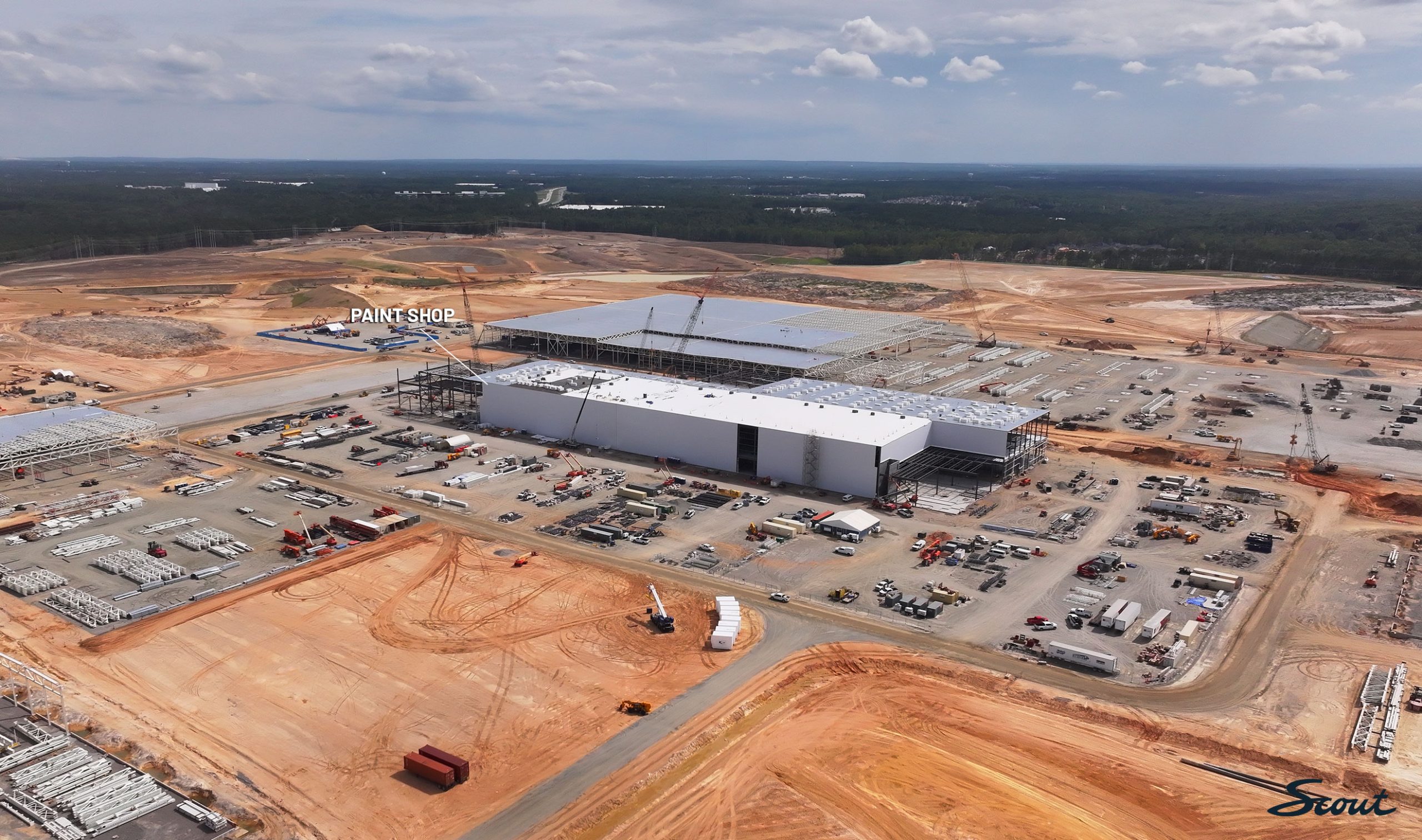
When broken down by sector, automotive ventures, electric vehicles and their corresponding batteries, and alternative energy and fuels claimed the top three spots for statewide capital investment, respectively.
“After a record-breaking 2022, South Carolina has remained committed to ensuring its long-term economic competitiveness and growing reputation as an established destination for transformational industry,” said Secretary of Commerce Harry M. Lightsey III.
That billion-dollar momentum turned real dirt across the Palmetto State. Back in March 2023, Scout Motors CEO Scott Keogh took to the state capitol grounds to officially announce the venture. A few months later in June, AESC US Managing Director Jeff Deaton broke ground in Florence, locking in another critical piece of the state’s expanding EV supply chain.
Where the Dollars Landed and Who Is Paying Attention
The economic ripple effects stretch far beyond major metropolitan centers. Capital investments hitting rural communities—specifically counties categorized as Tier III and IV under the South Carolina Department of Revenue’s annual county development rankings—accounted for nearly 34% of all statewide investments in 2023.
At the same time, international capital continues to shape the local industrial geography. Foreign direct investment (FDI) drove more than 32% of the year’s total capital commitments. Longstanding global partners anchored those inflows, led by Japan, Germany, and Canada.
S.C. Commerce estimates that these announcements translate to over 14,000 new jobs for local communities, creating fresh career pathways as these manufacturing facilities gear up for full production.