On a brisk Friday in November 2026, four Oregon localities secured a collective $4 million each in federal funding to overhaul emergency response systems, a move hailed as a critical step toward reducing traffic fatalities.
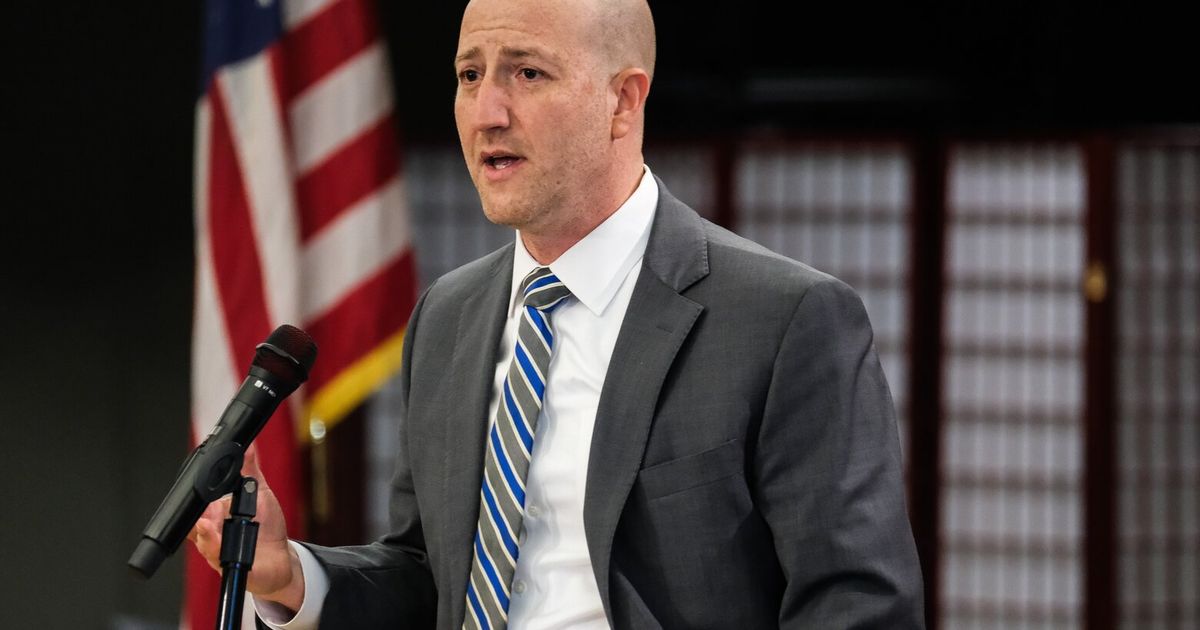
Rep. Andrea Salinas, a Tigard Democrat, said the funding is a tool to make communities safer.
The stakes are stark. Oregon’s congressional delegation announced funding for street safety projects, according to the U.S. Department of Transportation. Emergency response times remain a critical factor: studies show that for every minute a trauma patient waits for care, survival rates drop by a significant percentage. “When someone is seriously injured in a crash, every second counts,” said U.S.
The Mechanics of a Lifesaving Shift
The funding will enable agencies to pilot technologies and protocols designed to accelerate emergency responses. Redmond Fire & Rescue, for instance, plans to deploy AI-driven traffic monitoring systems to flag accident-prone intersections. Salem’s city officials aim to integrate real-time data sharing between police, fire, and ambulance services, a move that could reduce duplicated efforts and delays. Klamath County and Polk County will test faster blood delivery as part of their emergency response projects.
These projects align with a broader federal push to modernize infrastructure. The Safe Streets and Roads for All program, launched in 2022, has distributed funds nationwide to 140 communities.

A Bipartisan Show of Support
Democratic U.S. Rep. Janelle Bynum and U.S. Sens. Ron Wyden and Jeff Merkley celebrated the funding alongside Salinas. GET THE MORNING HEADLINES.
While the Biden administration has pushed for an infrastructure bill, rural areas often struggle to secure grants. Oregon’s allocation, though significant, highlights the uneven distribution of federal resources. Sarah Mitchell, a spokesperson for the Oregon Emergency Management Association, said that the state is making progress but is still playing catch-up, noting that while these projects are a start, they are not a silver bullet.
The Human Face of the Data
Similar stories echo across Oregon’s rural communities. In Polk County, a 2023 study found that emergency response times in non-urban areas were significantly slower than in cities, largely due to limited technology and staffing. The new projects aim to improve emergency response to crashes.
The funding also highlights the growing role of technology in public safety.
A Model for the Future?
But challenges remain.
As the first phase of the program begins, the focus will shift to implementation. By 2027, the agencies will report on their findings, with the hope that their lessons can inform national standards. For now, the $4 million allocation represents not just a financial investment, but a moral one: a commitment to protect lives, no matter where they live.
“When someone is seriously injured in a crash, every second counts.” – U.S. Rep. Andrea Salinas
The road to safer streets is long, but Oregon’s experiment offers a glimpse of what’s possible when communities, lawmakers, and technology align. As the first responders in Redmond, Salem, Klamath County, and Polk County begin their work, the nation will be watching—not just for results, but for a blueprint of hope.