Trump Rallies in Iowa and Kansas as Midterm Elections Test Second-Term Standing
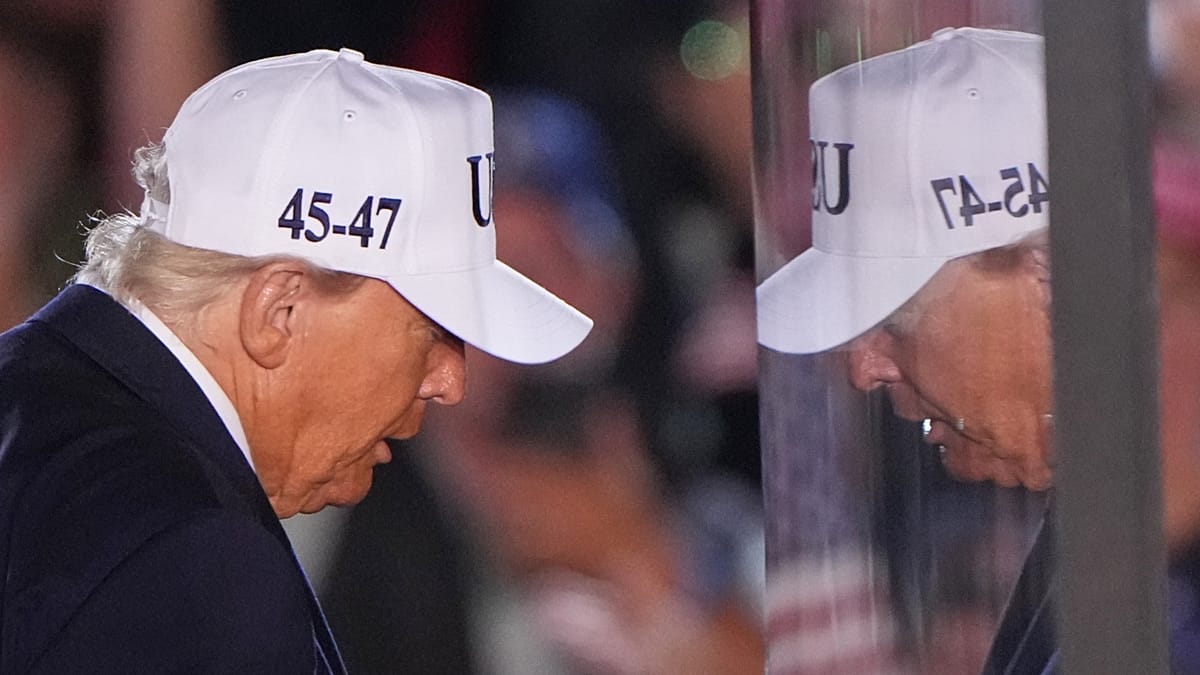
President Donald Trump closed out the final weekend of a turbulent midterm campaign with rallies in Iowa and Kansas on Sunday, visiting two states he has handily won in the past as Republicans face strong challenges that threaten their congressional majorities. The final stretch of campaigning, which is part of a nationwide tour that has spanned more than two dozen rallies across 19 states since October 1, highlights a defensive posture for the GOP as control of both chambers of Congress hangs in the balance.
With more than 54 million votes already cast ahead of Tuesday’s elections, voters are rendering a direct verdict on Trump’s second term in the White House. The political environment has shifted noticeably. While Republicans previously focused heavily on flipping states that voted for Democrat Joe Biden in 2020, this year’s strategy has concentrated largely on territories where Trump has historically dominated. That shift comes as voters express growing economic discontent over sweeping tariffs and the fallout from the war in Iran.
In Dubuque, Iowa, Trump delivered a two-hour speech insisting that Republicans remain on the verge of sweeping victories. We’re going to elect ‘America first’ Republicans up and down the line,
he told the crowd near the start of his remarks. Later that evening in Salina, Kansas, Air Force One performed a theatrical flyover before landing for an outdoor airport rally. Hundreds of attendees began leaving midway through Trump’s 90-minute speech, which concluded near 10 p.m. local time. This is our last stop. We’re closing it down tonight,
Trump told the remaining crowd.
Democratic Infighting in Michigan Threatens Senate Hopes
While Republicans work to defend their ground in the Midwest and Great Plains, Democrats confronting an opportunity to retake the U.S. Senate are grappling with internal fractures of their own in Michigan. The state represents a vital battleground in the Democratic effort to reclaim the upper chamber, where Republicans currently hold a narrow 53-47 majority, alongside a 219-214 advantage in the House of Representatives.
The intraparty divisions came to a head when Democratic Congresswoman Haley Stevens broke ranks to publicly endorse Republican candidate Mike Rogers over the party’s primary winner, progressive candidate Abdul El-Sayed. Stevens, who lost the Democratic Senate primary, told reporters that an invitation to a party event had been rescinded and that El-Sayed made it clear she was unwelcome in his campaign. Our Democratic nominee for Senate said I was no longer welcome in his campaign and that I should stay away,
Stevens said in a video announcing her endorsement. And he’s right. And that’s why I am endorsing Mike Rogers for the United States Senate today.
The unexpected cross-party endorsement prompted immediate damage control from national Democratic leaders. U.S. Chuck Schumer of New York maintained that the party was united in its support, while Kirsten Gillibrand, who leads the Democratic Senatorial Campaign Committee, stated that the party would stand firmly behind El-Sayed and reject divisive efforts. Vermont independent Bernie Sanders similarly dismissed concerns about the divide during an appearance on CBS’ “Face the Nation,” noting that primary losses bring friction but that voters across Michigan are still standing with the nominee.

Rhetoric Escalates on the Campaign Trail
Trump welcomed Stevens’ endorsement during his Sunday remarks while intensifying his verbal attacks against El-Sayed. At his rallies, the president used Islamophobic rhetoric to characterize the Democratic nominee. El-Sayed fired back that if he is required to pass through metal detectors, the president should sit for a lie detector test. It’s simple. I’ve got nothing to hide, you’ve got so much to hide,
El-Sayed responded, pointing to ongoing public questions surrounding the Jeffrey Epstein controversy and disputed claims from past presidential elections.
As polling indicates Democrats remain well-positioned to regain control of the House of Representatives—which would grant them authority over the federal budget and the ability to block legislation—the outcome of Tuesday’s races will determine whether the opposition can mount a check on the executive branch for the remainder of Trump’s term.