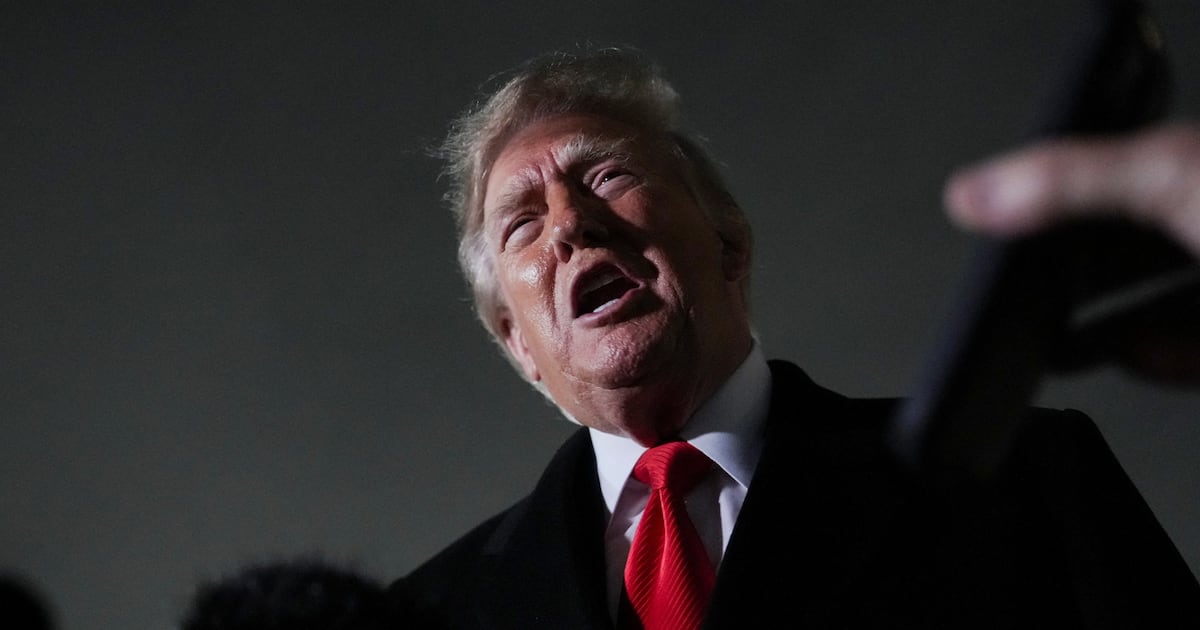
President Donald Trump has crisscrossed traditionally safe Republican states like Montana, Tennessee, and Alaska ahead of the November 3 midterm elections. The rallies aim to shore up voter turnout as Republicans face tough congressional races and a historically unpopular presidential administration.
President Donald Trump spent the week before midterms campaigning in deep-red territory where a Republican candidate typically would not need a presidential visit in the run-up to an election. With congressional elections scheduled for November 3, the 80-year-old president has embarked on a whirlwind road show across states like Montana, Tennessee, and Alaska to muster support for the GOP.
Advisers view the campaign-style blitz as one of the most effective tools available to minimize GOP losses in the November 3 elections. Yet the tour has unfolded against a backdrop of historically low presidential approval ratings, sitting in the low 30s across several polls, alongside steep gas prices driven by foreign policy as a direct consequence of his agenda.
Grueling Travel Schedule Strains Trump
Behind the scenes, the high-intensity travel schedule has reportedly taken a toll. According to an insider speaking with the press, Trump has been in a foul mood
during the multi-state push while on the road. While one adviser described him as being in high spirits, another pointed to the strain of a grueling 30-day blitz across the country when he is the most unpopular president.
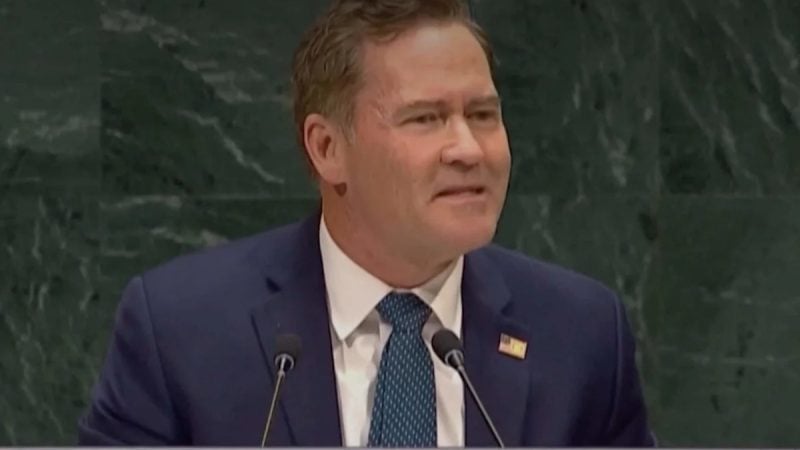
Markwayne Mullin indicates taxpayers will not be reimbursed for Trump's propaganda ads: "Any time we can do a public service announcement and brag about America, I'm all about it … I commend the opportunity of President Trump to give us the opportunity to brag about America" pic.twitter.com/Djwy7L16PX
Logistical hurdles compound the tension. The president reportedly dislikes staying overnight anywhere outside of his own hotels or properties, and an analysis by media outlets reveals that his events are often held in smaller venues than in years past. In some repeat towns, attendance figures have shrunk by as much as 75 percent compared to earlier rallies.
Despite reports of smaller crowds and empty seats, Trump has dismissed the criticism in posts on Truth Social, declaring that his events remain hotter than ever
.
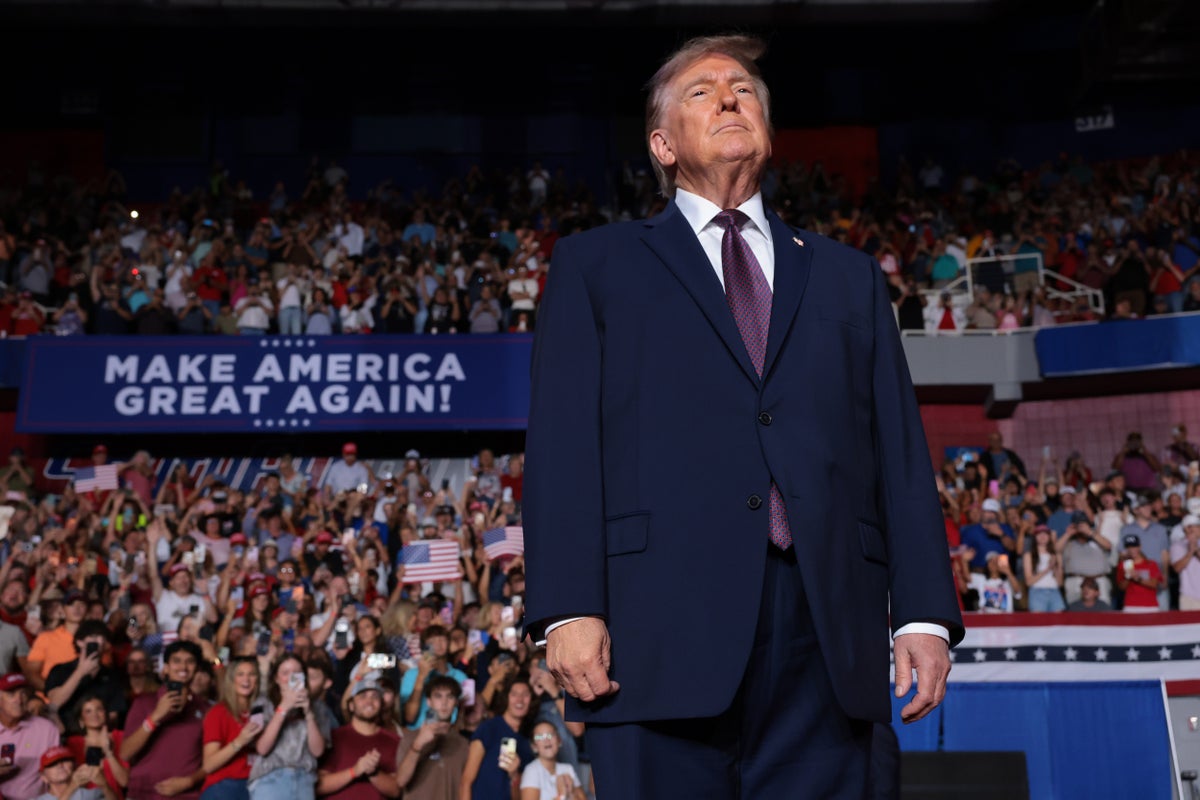
Voter Turnout Strategy in Deep-Red States
The geographic focus of the tour has baffled some political observers. Ahead of a trip to Montana—a state Trump won by roughly 20 points in 2024—White House correspondent Jon Decker asked the president why he was playing defense in a safe area rather than campaigning in battlegrounds like Michigan.
Trump defended the itinerary by pointing to past margins and the necessity of base motivation when he is not directly on the ballot.
Montana, because we want to make sure we won. I won, you know, it was one of my best states. I won by 45 points. And really two reasons. Normally I wouldn’t be going, but I like to also pay my respect to places that I don’t have to go there, and so I do it to thank them. I also do it because we have some great people there that are running, and I want to make sure they win, because when I don’t run, which, you know, in theory I’m not running, but I feel that I’m running. When I don’t run, we get 49% less turnout. When I do run, we win easily.
President Donald Trump, via KSLA
Party officials note that visiting friendly strongholds represents the most reliable mechanism to push loyalists toward the polling booth in an off-year cycle. Yet determining where the president can safely help has proved complicated. Reuters analysis indicates that two-thirds of Republican House and Senate candidates have broken with the administration on key policy issues or actively tried to minimize their association with him ahead of November.
Unfiltered Remarks and Rallies in Tennessee and Ohio
Stops across the country have yielded a series of eccentric public appearances that frequently eclipsed the local candidates he was ostensibly backing. During a weekend appearance in Tennessee, Trump reflected on the absolute loyalty of his audience in remarkably candid terms.
When you stand up here, it’s just like… the love. I could say the stupidest things and you clap: ‘Oh, I love you so….’ It’s true. But we don’t say the stupidest things. We say things of common sense. We say things that make sense, and we probably are mostly conservative, but it’s not really conservative. It’s things of common sense.
President Donald Trump, via The Guardian
Later in the tour, during a rally in Ohio, Trump discussed Republican Senate candidate Jon Husted in an unconventional fashion while evaluating his physical build.
Trump stated that he does not often do this with men, but began examining Husted’s body because he had not known Husted was a great athlete, looking him up and down.
The speeches also featured lengthy detours on foreign policy claims, including a 15-minute complaint regarding the Nobel Peace Prize and his assertion that he had settled eight wars.
Stakes for the November Congressional Elections
With just over two weeks remaining before voters decide control of Congress, the administration’s high-profile travel schedule continues into Texas, Georgia, and Kentucky to support local nominees. Vice President JD Vance joined the effort, traveling to Texas to promote Senate nominee Ken Paxton amid a neck-and-neck race against Democrat James Talarico.
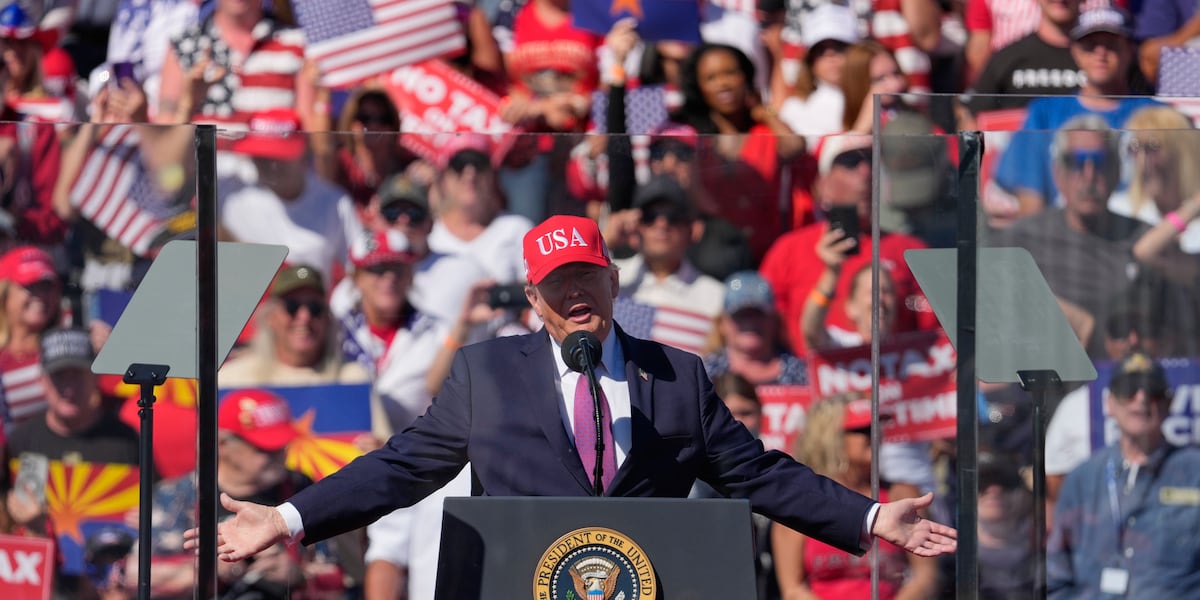
Whether the rallies can successfully bridge the enthusiasm gap for congressional candidates remains the central question as the GOP attempts to retain its majorities in the House and Senate against widespread Democratic momentum.