The Weekend Pivot: Trump Reinstates Key Midterm Rallies
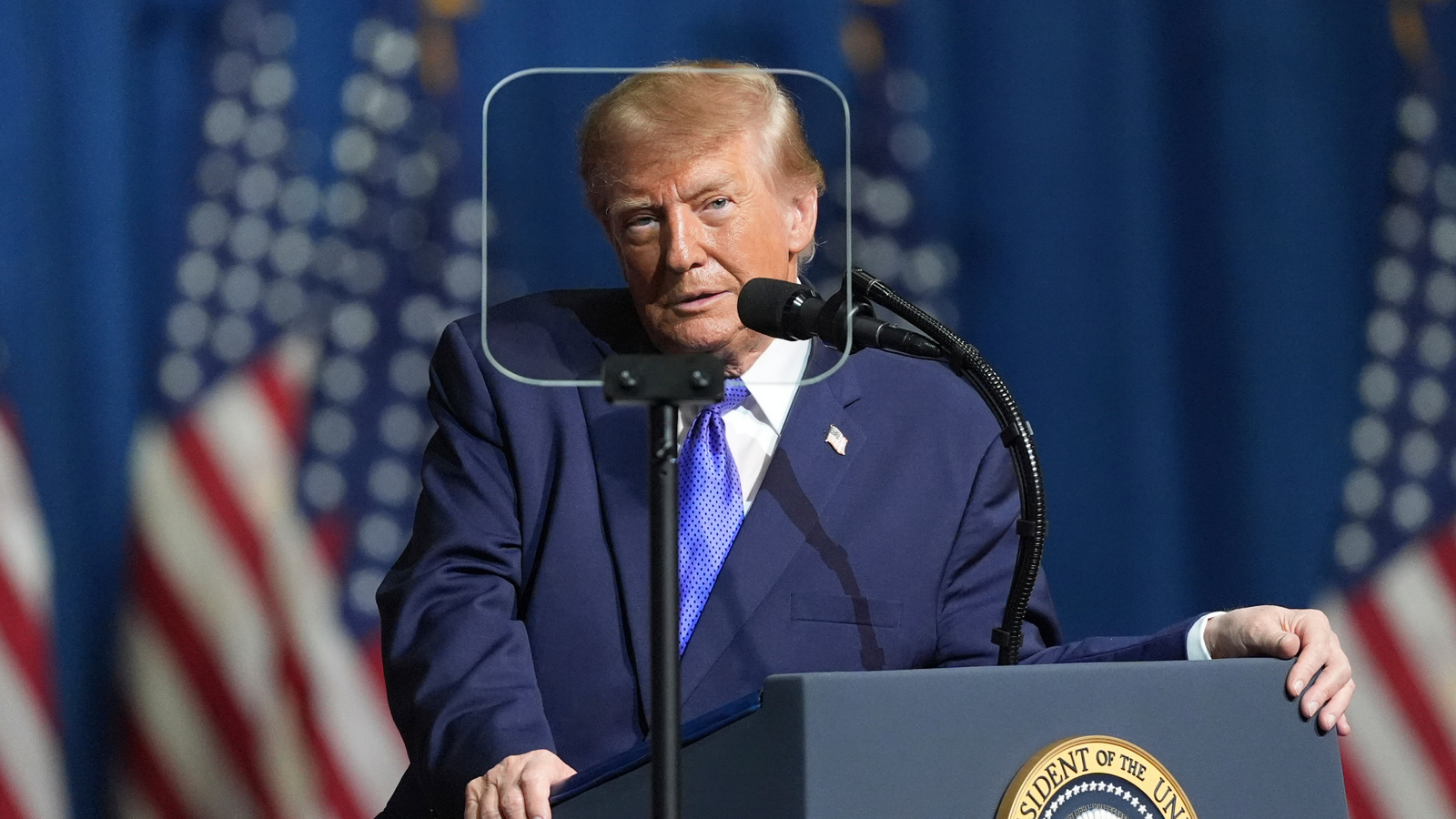
President Donald Trump will return to the campaign trail in Iowa and Kansas this Sunday, reversing a recent decision to cancel his planned appearances in those states. The move, confirmed by a person familiar with the scheduling plans, highlights the fluid and often unpredictable nature of the final stretch before the midterm elections. As the Republican Party fights to maintain its majorities in Congress, the president’s schedule has been subject to rapid adjustments, balancing the high cost of in-person events against the need to energize voters in critical battleground regions.
The Associated Press reported that the rallies, originally intended to be part of a broader “72-hour sprint” of phone-based telerallies, are back on the official calendar. While the Republican National Committee initially suggested that these phone events would allow the president to reach a larger audience more efficiently, the return to in-person rallies in Cedar Rapids, Iowa, and Salina, Kansas, signals a renewed focus on physical presence in states with high-stakes Senate contests.
Managing the Surge in Early Voting
The pressure to finalize these appearances comes as early voting data shows a significant increase in voter participation compared to previous cycles. According to an analysis of voting data by the Associated Press, nearly 10 million more Americans had cast ballots five days before Election Day than at the same point in 2022. This trend is particularly visible in states like Kansas and Iowa, where early voting numbers are up roughly 30%. Both parties are viewing these figures as a crucial indicator of voter enthusiasm, though they remain divided on which side stands to benefit most as affordability concerns continue to dominate the political conversation. The scheduling shifts have caused friction, with the president’s team working to manage appearances alongside the logistical requirements of the campaign. The Iowa event, for instance, saw movement between cities before settling on a venue, a detail that highlights the shifting schedule as Election Day approaches.
The Stakes in the Senate Battlegrounds
For the Republican Party, the focus on Iowa and Kansas is strategic. Both states feature competitive Senate races that will be instrumental in determining the balance of power in the upper chamber. President Trump has already visited both states earlier this month to support Republican candidates, including Senator Roger Marshall in Kansas and House member Ashley Hinson in Iowa.
In a recent radio interview, the president reaffirmed his support for Senator Marshall, praising his work on agricultural policies, including tax-free exemptions for red-dyed diesel. When asked about his initial decision to cancel the Kansas event, the president was dismissive of concerns regarding his health or stamina.
“I’m not going to Kansas because he’s doing very well,” Trump said, adding that “I feel perfect” and that “I don’t feel I have to go to Kansas.”

In Kansas, Democratic challenger Adam Hamilton has criticized the current representation, suggesting that the political rhetoric has become increasingly divisive.
Campaigns Balance in-Person Rallies with Telerallies
The decision to mix in-person rallies with telerallies reflects a broader strategic calculation. While in-person rallies serve as high-energy events that generate significant media coverage, they are also resource-intensive. Telerallies, by contrast, offer a lower-cost method for the president to reach thousands of supporters directly. However, the pivot back to physical rallies suggests that the campaign believes the local impact of the president’s presence is necessary to drive turnout in these specific, closely watched states.
Vice President JD Vance has also been active in these regions, having traveled to Kansas to support Senator Marshall and to Iowa to campaign alongside Republican House candidates. His own schedule, however, has not been immune to the same shifting patterns, with a recent news conference in St. Cloud, Minnesota, canceled due to similar planning adjustments. As the final days of the campaign conclude, both parties are operating under the weight of an electorate that is already casting ballots in record numbers, leaving little room for error in the race to Election Day.