U.S. consumers spent a record $13.1 billion online on Black Friday, surpassing retail forecasts even as high living costs and inflation weighed on household budgets.
Online Spending Surges Past Forecasts While in-Store Foot Traffic Dips
The preliminary e-commerce tally exceeded Adobe Analytics’ initial forecast of approximately $12.9 billion, marking an 11% increase from the previous year. Globally, shoppers drove online sales to a record $82.7 billion, according to Salesforce data spanning more than 1.5 billion consumers, with U.S. digital purchases accounting for $19.1 billion of that total.
Early figures indicated that year-over-year Black Friday sales climbed, driven in part by a strong appetite for software and electronics, which implies buyers maintain their purchasing momentum despite persistent worries about high inflation.
Overall retail sales across both physical stores and online channels rose 5.8% compared with the previous Black Friday, according to Mastercard SpendingPulse data that excludes automobiles and gasoline. Within those figures, e-commerce grew by 13.4%, while in-store spending increased 3.8% to mark its strongest performance since 2022. Industry analysts expect the trend to continue; consumers spent $82.5 billion online from November.
Yet physical storefronts experienced a different dynamic. RetailNext reported that initial data showed customer counts down 2.9% compared to 2025, while geospatial analytics firm PassBy recorded an in-store visitor decline of 2.2% to nearly 930 million visits.

Metrics from Sensormatic Solutions revealed that retail visitor volume declined 4.2% relative to the prior Black Friday, though it surged 250% when measured against the preceding Friday. Bad weather across parts of the country and a growing consumer habit of e-shopping contributed to the softer foot traffic.
Household Essentials Mix With Electronics in Shopping Carts
Shoppers used the promotional event not only for traditional holiday gifts but also to stock up on household necessities. In addition to hot-selling electronics, gaming consoles, smartphones, and smart glasses, online purchasers utilized discounts to acquire cleaning supplies, pet care products, personal hygiene items, clothing, and baby goods.
That behavior reflects ongoing financial pressures from inflation, which stood at 3.8% in October according to the Personal Consumption Expenditures price index. Households facing tight budgets treated the holiday promotions as an opportunity to secure everyday basics at reduced rates.
Instead of splurging on high-end goods or replacing televisions, numerous families used Black Friday to stock up on everyday essentials and groceries at discounted prices — a strategy typically linked to frugal couponing rather than celebratory consumer spending.
“It’s sort of the mix of feeling the squeeze on prices, people thinking about their economic condition and their financial position, but still wanting to protect the holidays,” said Brian McCarthy, retail strategy lead at Deloitte.
Retailers Roll Out Early Deals and AI-Powered Shopping Tools
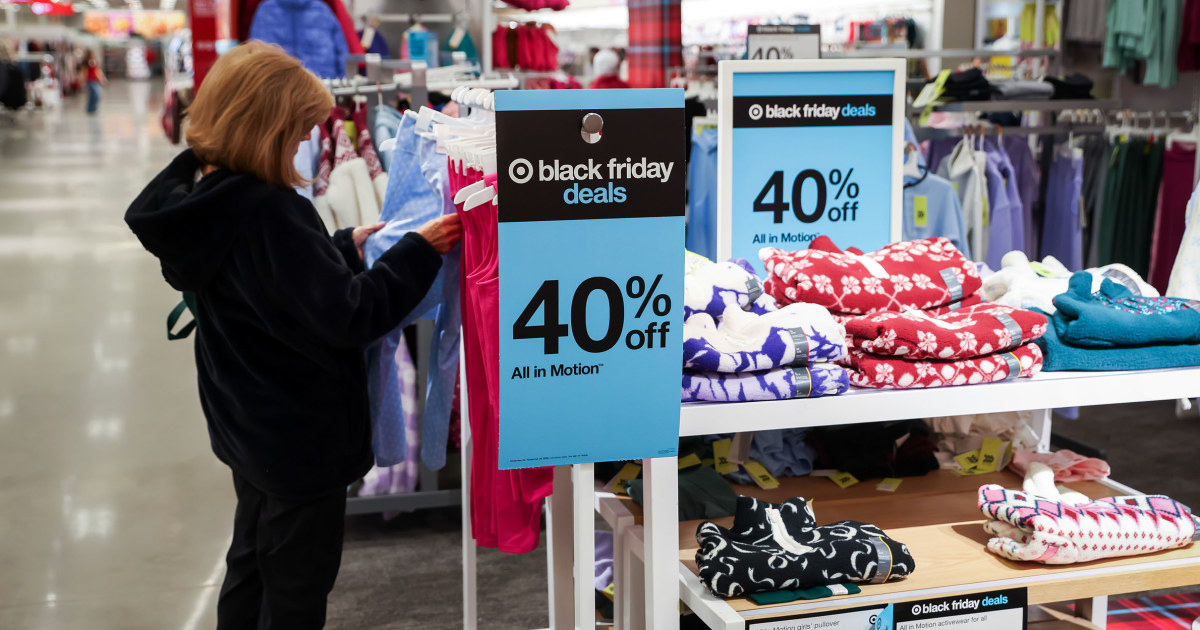
The traditional single-day shopping rush has evolved into a multiweek promotional period, with many retailers launching discounts well before Thanksgiving. According to Salesforce, November markdowns prior to Black Friday were 8% larger than the previous year, pushing average physical merchandise selling prices 1% lower than last November.
Artificial intelligence also played a prominent role in shaping consumer behavior. Adobe reported that online retail traffic driven by AI tools more than doubled compared to November 2025, with AI-enabled browsers and chatbots converting visits into purchases 68% more effectively than a year earlier.
Retail executives expressed optimism as the peak holiday shopping season commenced. Walmart CFO John David Rainey said that the company’s holiday quarter was “off to a pretty good start,” while Best Buy CEO Jason Bonfig observed that shoppers seeking value were also upgrading to “more premium price points.”
Shoppers Balance Budgets While Pursuing Holiday Deals
As shoppers hunted for bargains across the country, everyday households faced financial squeezes on necessities like rent, groceries, and gas that “changes how they plan every shopping trip,” according to Joe Shasteen, RetailNext's global manager of advanced analytics.
In Raleigh, North Carolina, shopper Nile said that inflation has driven up prices significantly, remarking while shopping for his two boys at Crabtree Valley Mall that even items like the McDonald’s McChicken cost more.
In Chicago, college student Malhotra explained to the Daily Herald that the holiday weekend offered a useful opportunity to acquire necessary items given ongoing inflation, especially for someone in a “broke era.” She was browsing alongside her boyfriend, who waited off to the side, while seeking out professional wear for upcoming interviews before her graduation.
Artificial Intelligence Shapes Modern Bargain Hunting
As consumers increasingly utilized artificial intelligence to complete purchases or track down bargains, and retailers grew more adept at quickly altering prices through automated systems, the deepest price cuts could arrive closer to Christmas as both sides waited out the market, advised Ryan Orabone, a consultant at Spaulding Ridge. Orabone recommended that shoppers exercise patience and avoid grabbing the very first deal they encountered.
Latin Times reported that the expanding adoption of “buy now, pay later” financing options like Klarna, Afterpay, Affirm, and PayPal Pay Later also enabled buyers to split purchases into manageable installments rather than absorbing full costs at checkout. Meanwhile, findings cited by Latin Times indicated that artificial intelligence grew increasingly influential throughout the online journey, specifically helping consumers compare products and discover superior value.
Cyber Week Momentum Continues Toward Cyber Monday
Spending momentum is projected to hold through the weekend. Adobe forecasts Saturday online sales to reach $6.1 billion and Sunday spending to hit $6.4 billion. Cyber Monday is expected to generate a record $15.1 billion in online sales, representing a 6.2% increase from the prior year, pushing total five-day Thanksgiving-through-Cyber-Monday online spending to $47.5 billion.
Earlier coverage: Retailers Kick Off Black Friday Sales Early