Virginians head to the ballot boxes today to answer at least five foundational questions, ranging from representation in the U.S. Senate and the House of Representatives to three proposed amendments to the state constitution. As Cardinal News reported, the decisions made tonight will offer a clear window into what voters across the commonwealth—and the country—are thinking as political patterns change.
The Physics of Turnout and Early Voting Data
Elections often boil down to simple momentum. The goal on each side is to motivate voters to get off the couch and cast a ballot, and the side that executes that logistics operation best usually wins. By Sunday, the Virginia Department of Elections recorded 1,631,722 early votes cast, marking a 13.9% increase over the same point last year.
Whether that surge points to an overall turnout well north of last year’s 54.13% remains an open question. Analysts note it is entirely possible that campaigns simply shifted existing day-of voters into early voting slots rather than expanding the total electorate. State Navigate forecasting, run by Virginia Tech graduate Chaz Nuttycombe, estimates that the early voting pool is 0.7% more Democratic than last year’s early electorate.
Voters Weigh Proposed Constitutional Amendments and Local Tax Referendums
Beyond federal and state legislative races, voters are weighing three proposed constitutional amendments. These measures are expected to cleave along familiar partisan lines, drawing “yes” votes in Democratic strongholds and “no” votes in Republican areas. The real intrigue lies in whether these amendments will pull unexpected voters to the polls and how much crossover voting will occur.
Localities are also deciding specific economic questions. Forty-seven counties and cities have scheduled referendums on enacting a 1% local sales tax dedicated to school construction and maintenance. Most of these communities are rural and traditionally lean Republican, with groups in places like Wythe and Prince Edward counties forging rare bipartisan joint endorsements for the measure.
Meanwhile, voters in Amherst County and the town of Pulaski face specific referendums on whether to permit off-track betting facilities like Rosie’s Gaming Emporium. Observers will be watching closely to see if voters who reject the state constitutional amendments carry that skepticism over to local pari-mutuel betting.
Revisiting 2006 on Marriage Rights
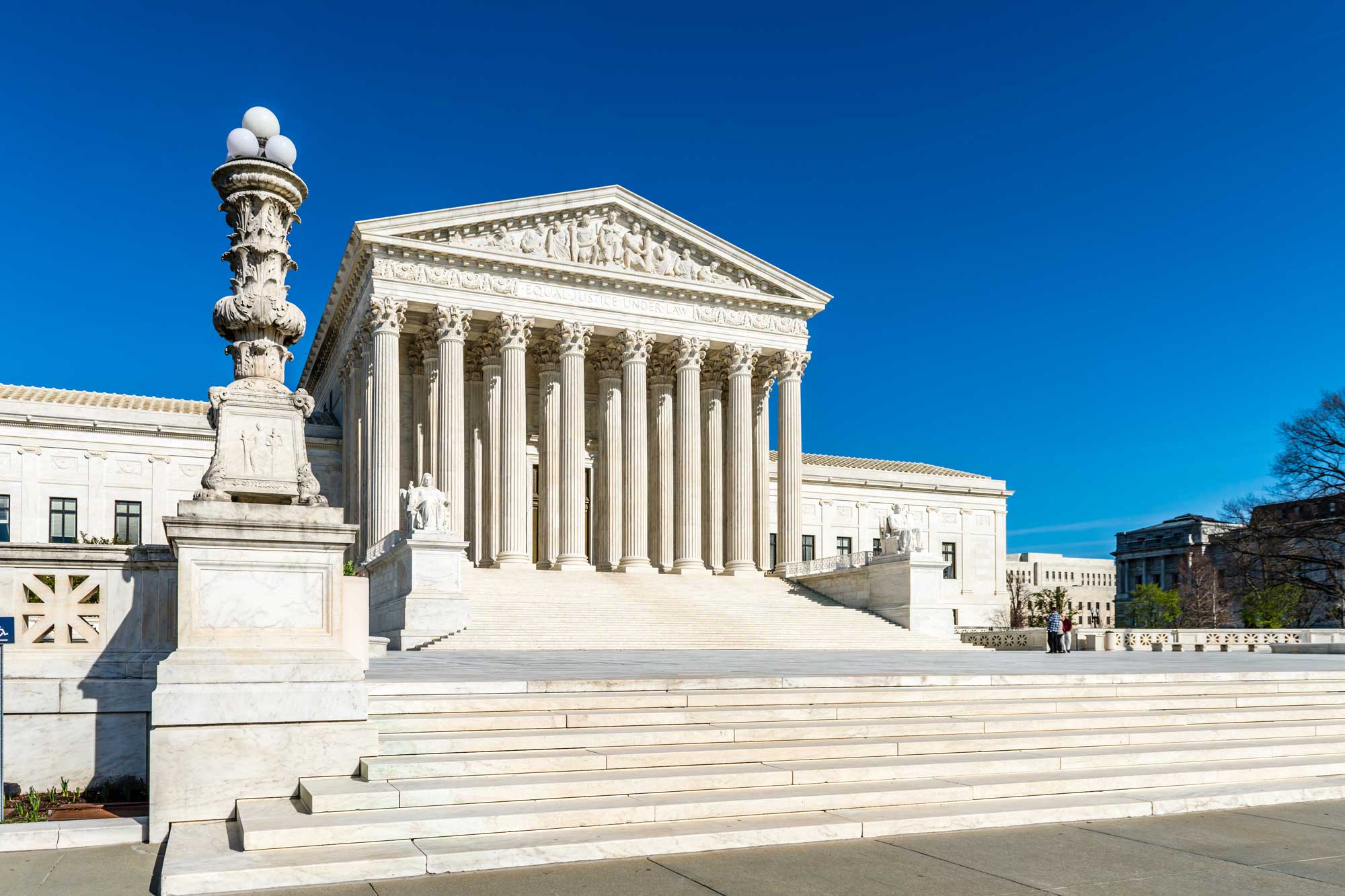
Perhaps no item on the ballot carries a longer historical shadow than Amendment 2. Twenty years after Virginians voted 57.1% to 42.9% to enshrine a constitutional ban on same-sex marriage—a provision later voided by the U.S. Supreme Court’s 2015 Obergefell v. Hodges ruling—voters now have the chance to repeal that dormant language and establish a state-level right to same-sex marriage.
Back in 2006, just 13 of the state’s 134 counties and cities voted yes. Today, the social and political fabric of the commonwealth looks markedly different, punctuated by local leaders living in same-sex marriages who are actively advocating for the repeal.
Complex Choices in Local Contests
In Lynchburg, voters navigate a uniquely tumultuous municipal landscape.