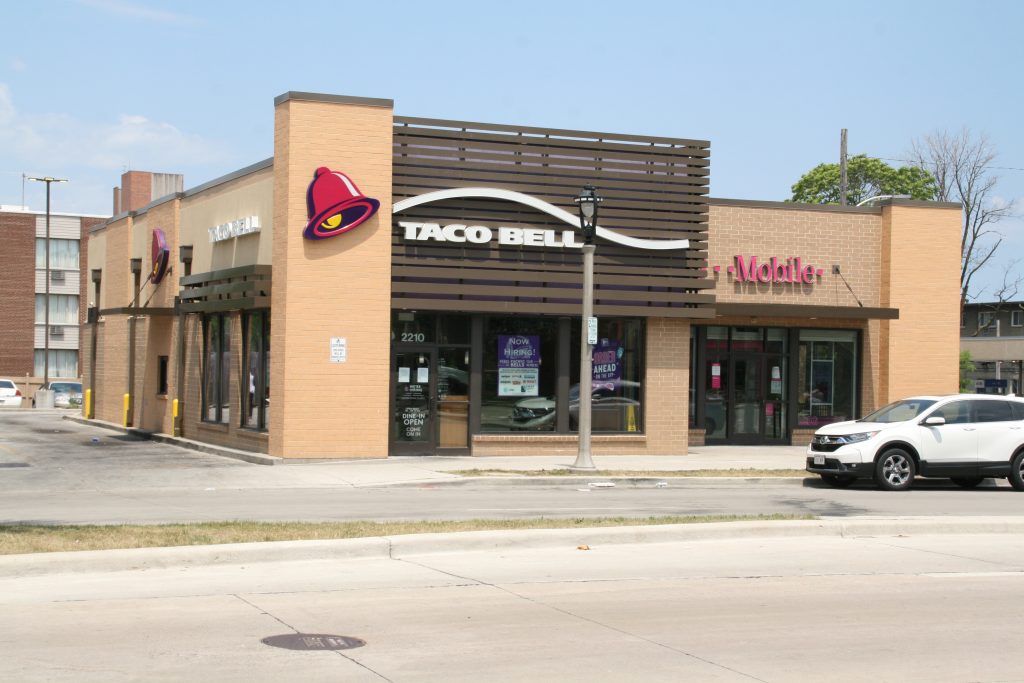
Milwaukee residents are spending a disproportionate amount of their income on fast food compared to most other major U.S. cities, according to a new report from WalletHub. The city ranks eighth nationally for fast-food spending, with residents spending an average of $24.37 per meal.
The analysis measured the total cost of a pizza, fried chicken sandwich, and fast-food burger against the median household income across the 100 largest cities in the United States. By comparison, Madison ranked 69th in the study.
Analysis of Spending and Costs
Chip Lupo, an analyst and writer for WalletHub, suggested in the report that consumers should consider if the cost of this “luxury” is justified by the convenience it provides.
However, the report comes as fast-food prices have increased across the country over the last year, meaning many consumers are paying more for food that provides less nutrition.

The Impact of Food Swamps
The high spending in Milwaukee occurs alongside a “food apartheid emergency,” characterized by limited access to full-service grocery stores in low-income neighborhoods. These areas often see a heavy clustering of fast-food establishments.
Kirk Harris, an associate professor of urban development at UW-Milwaukee, has used the term “food swamps” to describe these regions. He defines these areas as places with high levels of cheap food and fast food—items that should not be eaten regularly—while lacking access to healthy options.
The Near West Side of Milwaukee has been cited as an example of a food swamp. This area is described as lacking a proper grocery store that provides nutritious staples and fresh produce, while remaining saturated with fast-food restaurants and corner stores that offer highly-sugared, highly-salted, and highly-processed options.
National Industry Context
The spending patterns in Milwaukee are part of a broader national trend, as the United States leads the world in fast-food consumption. In 2024, the fast-food industry generated $423.7 billion in revenue.



