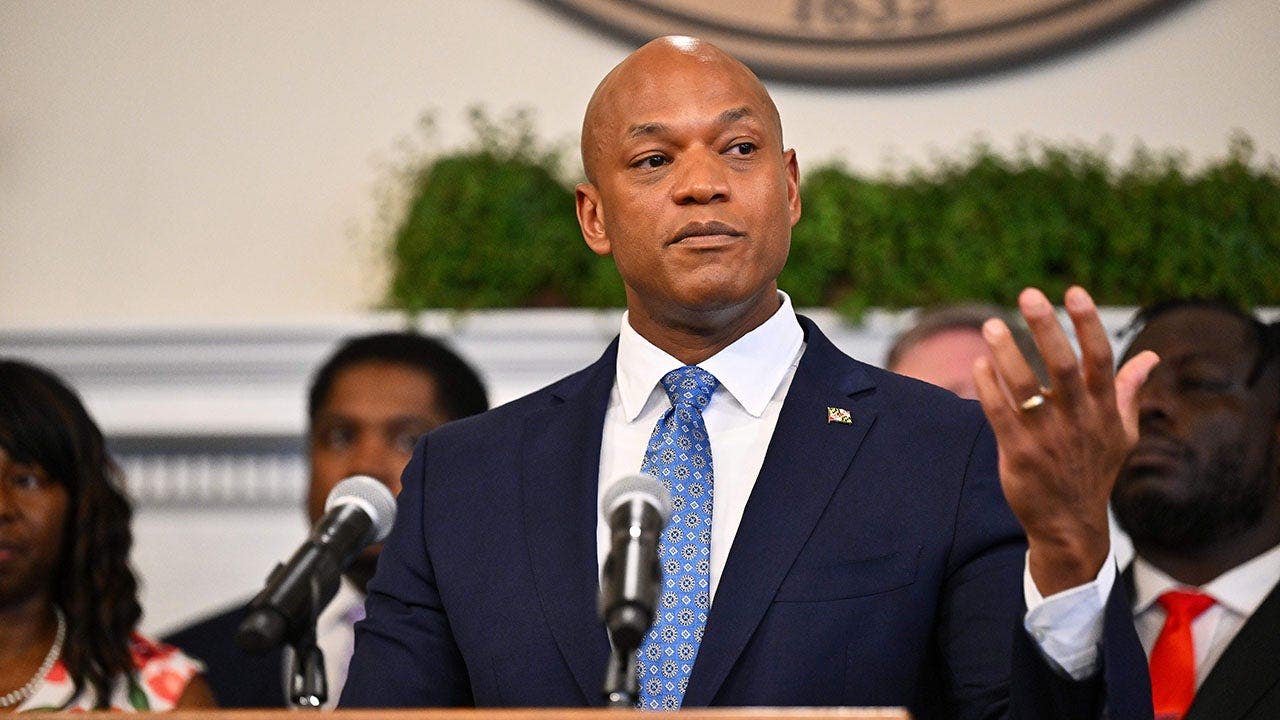
Maryland Governor Wes Moore is facing fresh scrutiny after reports surfaced that he fabricated a friendship with a fallen soldier and embellished his military record in his 2015 memoir, “The Work: Searching for a Life That Matters.”
The controversy centers on a passage in the book where Moore described weeping at his grandfather’s funeral on December 17, 2005, upon hearing of the death of his friend, Army 1st Sgt. Tobias “Toby” Meister. However, military records show Meister was killed in a roadside bombing in Afghanistan 11 days later, on December 28, 2005. Reports indicate that Moore did not learn of the soldier’s death until he returned to Afghanistan in January 2006.
Alicia Meister, the soldier’s widow, told the Baltimore Sun she had never heard of Moore before the report. “I’ve never personally heard from him,” she said. “I don’t know who [Moore] is. I don’t recall my late husband ever talking about him.” She said that many of her husband’s military friends kept his memory alive, but Moore was never part of that circle.
Following the recent media attention, Moore contacted Alicia Meister to apologize for not reaching out sooner. She said that while the apology was appreciated, she wished her late husband “would be removed from the situation completely.” She added, “I just don’t like that he has been brought in the middle of it.”

Retired Army Lt. Col. Patrick “Pete” Munster, who served with Meister, also disputed the account. “I don’t have any [expletive] idea who Wes Moore is,” Munster told Spotlight on Maryland. “If what you read to me is really from a book that this guy wrote, it makes him a [expletive] liar.” Munster further asserted that Meister did not know Moore or coordinate tactical operations with him.
Disputed Combat Service Claims
Beyond the memoir, Moore’s description of his combat experience has drawn criticism from his former commanding officer, retired Army Lt. Col. James A. Gottschling.
Gottschling said that he believes the governor’s claims amount to stolen valor, noting that if Moore had led troops in combat, it would have been documented and he would have received an award for it. “I think that would have come up,” Gottschling said. “And he would have gotten an award for that, if that really happened.”
While Moore was awarded a Combat Action Badge, military records indicate it was for being engaged by indirect fire during a rocket attack on his base, rather than for leading troops in a combat engagement.
Gottschling clarified that he distinguishes between serving in a combat zone and engaging in combat, stating, “I like to say we’re combat veterans but we’re not veterans of combat.” He added, “It’s disingenuous to say that you led paratroopers in combat or that you did what would be direct action activities in a combat zone.”

First Lt. Anthony Del Signore, a Marine who served with Moore, disputed Gottschling’s account. “I’ve heard the comments from Major Gottschling claiming this didn’t happen and that Wes didn’t go outside the wire. I can tell you that this 100% happened because I was there,” Del Signore said. He argued that Gottschling was not in the chain of command responsible for those specific missions and would not have been aware of them.
Del Signore claimed that he and Moore frequently traveled by convoy and were forced to dismount when they took fire from a mountainside. However, Gottschling countered that there is no evidence for such events outside of Del Signore’s account, noting that the lieutenant was not in charge of the convoy.
Political Response and Allegations
Moore’s office has characterized the negative coverage as a “political hit job.” Ammar Moussa, a spokesperson for the governor, stated, “Governor Moore is deeply proud of his military service. He raised his hand to serve his country at 17, left his civilian career, and deployed to one of the most dangerous regions in Afghanistan, where he served with distinction and earned the praise of his superiors and fellow service members.” Moussa further charged that the criticism was a “Republican swiftboat campaign orchestrated by Sinclair executive chairman David Smith.”
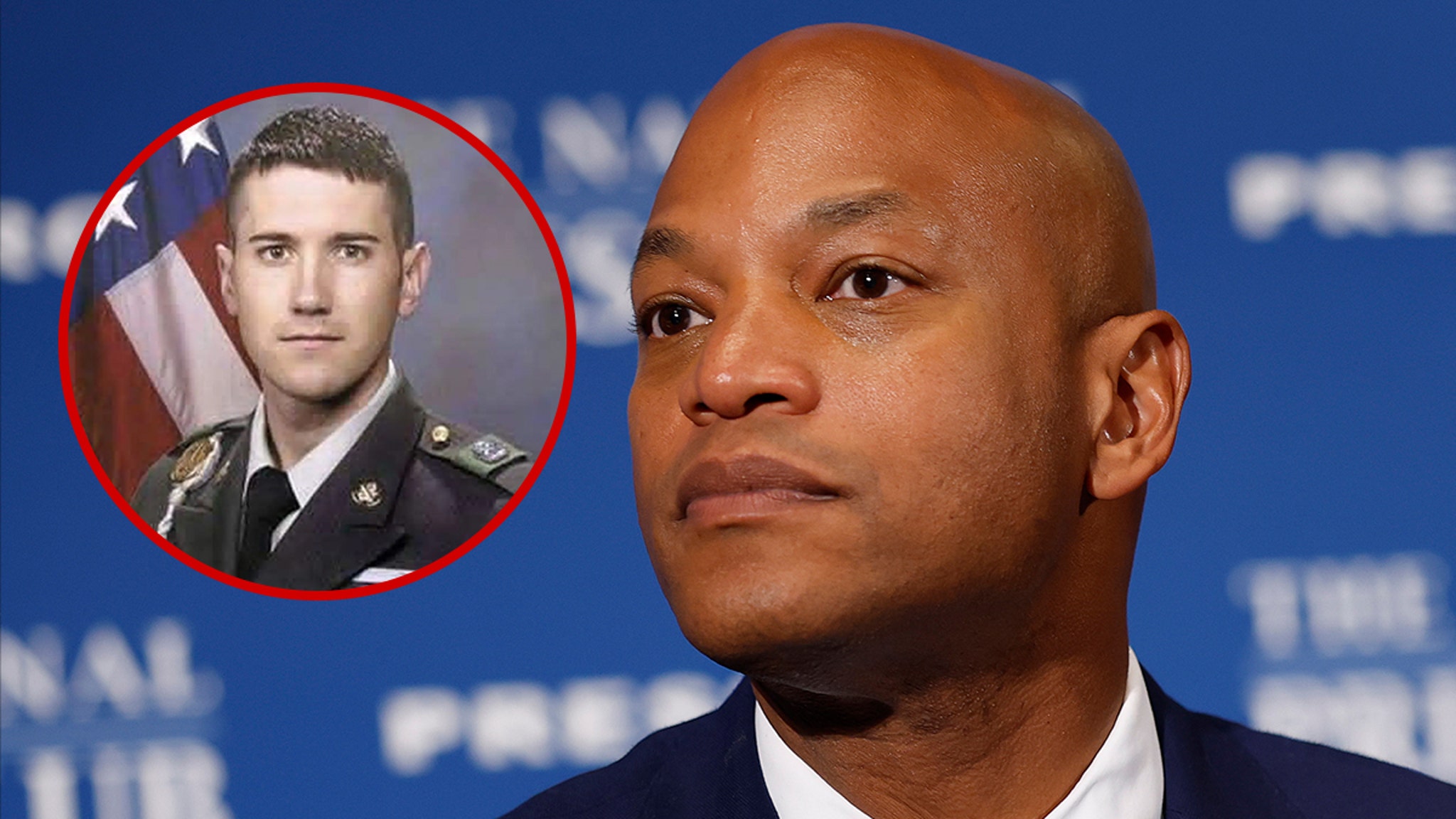
Candy Woodall, the executive producer and managing editor of Spotlight on Maryland, responded to the governor’s office by stating that Moore “attacks the messenger and distorts the facts at the center of all of our stories.” Woodall maintained that the reporting is based on documented facts and interviews.
Regarding claims that Sinclair refused an interview, the organization stated they submitted hundreds of questions to the governor’s office and his associate, retired General Mike Fenzel, over the past year, all of which went unanswered.
The controversy also includes Moore’s past claims about receiving a Bronze Star. For years, Moore listed the medal on his resume, including on a 2006 application for a White House fellowship, despite not having received it at the time. He later addressed the discrepancy, calling it an “honest mistake.” In 2024, nearly two decades later, Moore received the Bronze Star after then-Laphonza Butler urged the Army to award it to him.
When asked about Gottschling’s allegations on a podcast, Moore said, “I pray for him and his family,” and added, “I know mental health and the challenges that people have to go through are real.” Gottschling responded to the remark, stating, “It seems like he’s indicating I have some kind of mental illness or personality problem. I don’t know where that came from.”