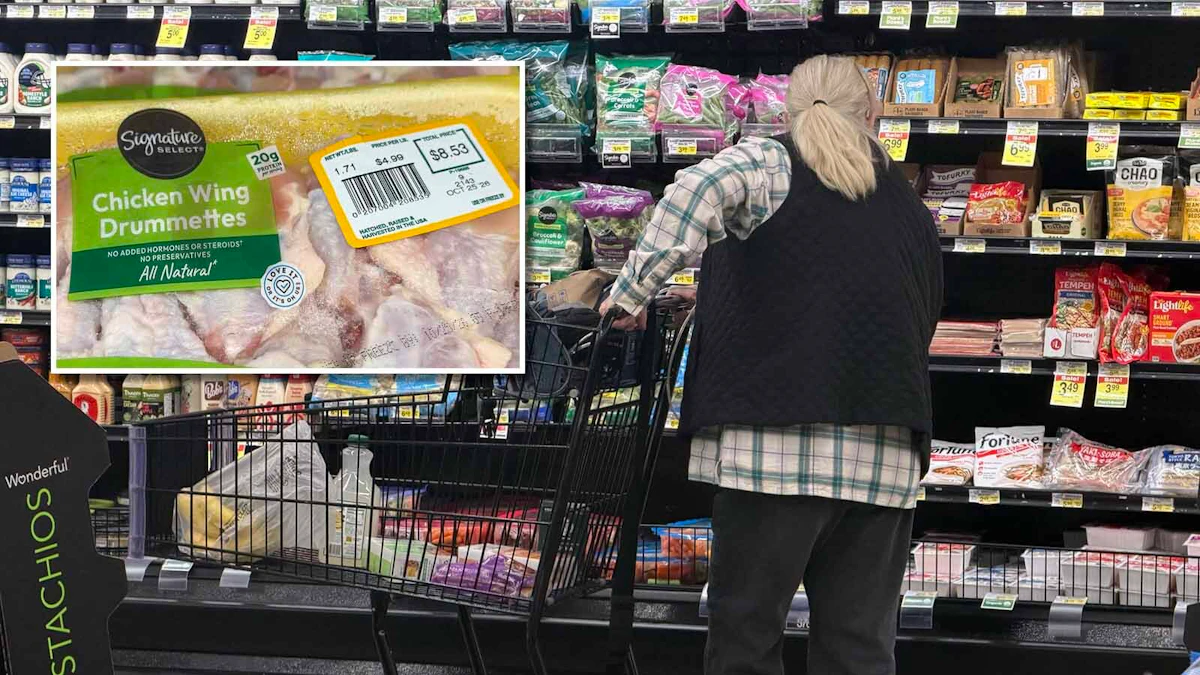
Wyoming Shoppers Shunning Refrigerators Packed with Past-Due Dates
Grocery shoppers in Cheyenne and Casper are increasingly turning away from dairy, meat, and packaged items carrying expired “use by” and “sell by” dates, drawing fresh attention to retail inventory practices across Wyoming. Shoppers like Jaime Ramirez told cowboystatedaily.com that seeing dates that are close or past on products at the grocery store is an instant dealbreaker.
While pushing a cart out of the Walmart store on Del Range Boulevard in Cheyenne, Ramirez explained why he scrutinizes every package. That’s a hard pass for me, man,
Ramirez told cowboystatedaily.com, recalling a severe bout of food poisoning from bad meat that left him sick for two days. I don’t care.
Even if it’s close, I won’t go near it.
What Inspectors and Retailers Say About the Dates
That cautious consumer stance bumps up against a complex regulatory reality. In Wyoming and across most of the United States, selling food that has passed its printed date is not illegal. Federal guidelines generally treat package dates as indicators of peak quality and freshness rather than strict food safety limits. Suzanne Long, chief sustainability and transformation officer for Albertsons, acknowledged in a 2024 interview cited by cowboystatedaily.com that code dates often cause widespread customer confusion.

Local public health officials emphasize that standard commercial packaging dates refer to flavor rather than immediate danger. Inspectors closely monitor these time- and temperature-controlled items, such as sliced meats and prepared salads, to prevent foodborne illness.
The Real Retail Cost of Cautious Consumers
For independent grocery operators, consumer aversion to older dates translates directly into financial losses. LeAnn Miller, who runs Eat Wyoming in Casper, noted that shoppers have little patience for technical distinctions between safety and quality. If there’s an expired date, I can tell you right now none of my shoppers will buy it,
Miller told cowboystatedaily.com. When customers spot an overlooked item, they hand it directly to staff, forcing the store to absorb the financial loss of discarded inventory.
That frustration spills over into digital platforms as well. Taylor Hunter, a DoorDasher in Cheyenne, posted photos to a local Facebook group on Monday, Oct. 26, highlighting deli items at an Albertsons store on East Pershing that were sitting near or past their expiration windows. The visibility of these items shows a wider national trend. The U.S. Food and Drug Administration estimates that date label confusion drives roughly 20% of consumer food waste, while the nonprofit ReFED calculates that retail surplus concerns account for nearly 46% of surplus food nationwide.
In Wyoming alone, retail operations generated an estimated 8,660 tons—or more than 17.3 million pounds—of surplus food in 2024, translating to about 47,000 pounds daily across the state, according to ReFED data cited by cowboystatedaily.com. While some surplus is diverted through composting or donations, managing inventory tightly enough to avoid consumer rejection remains an ongoing challenge for local supermarkets.