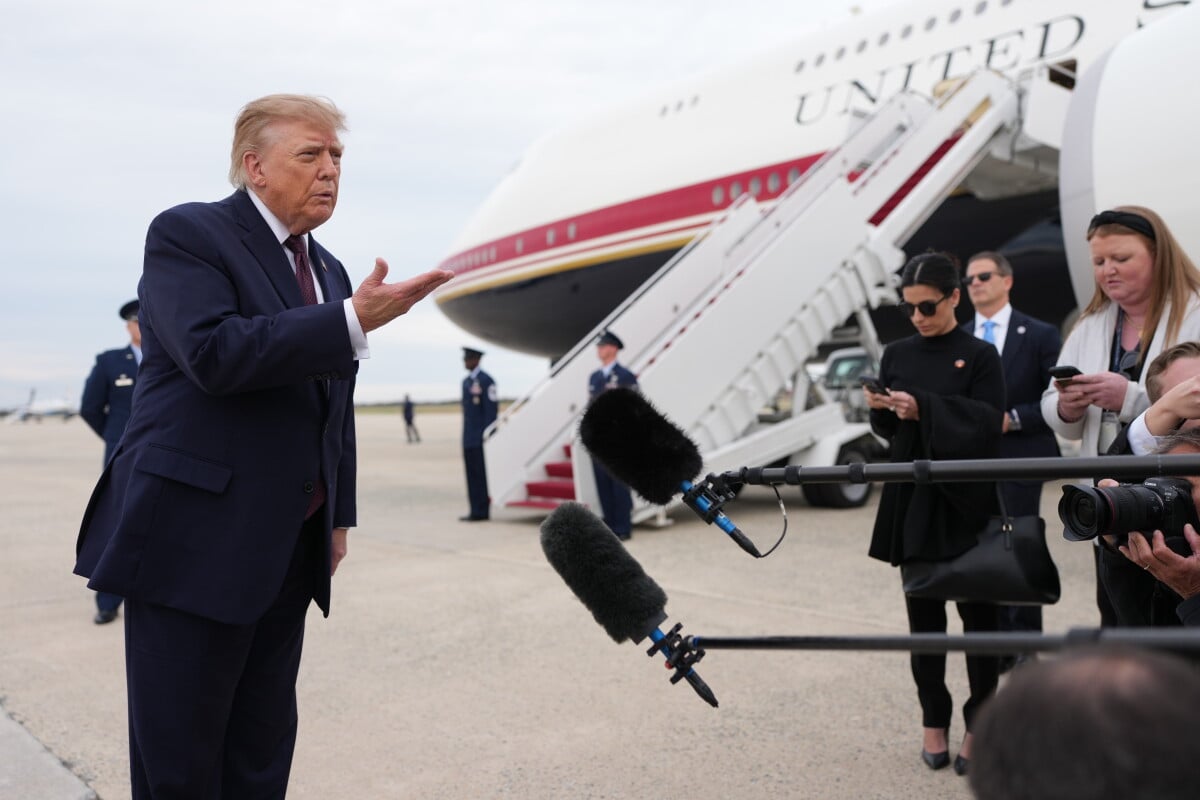
U.S. Central Command chief Adm. Brad Cooper briefed President Donald Trump on Thursday regarding the ongoing naval blockade of Iran. The briefing comes as the U.S. warns Middle East allies to prepare for potential renewed military strikes and Iranian retaliation following the November 3 midterm elections.
The administration is pursuing dual tracks: preparing for a possible resumption of major combat operations while attempting to restart peace talks. According to two U.S. officials, Trump specifically sought direct confirmation from Adm. Cooper on the effectiveness of the naval blockade and the military operation used to guide oil tankers out of the Strait of Hormuz to global markets.
Vice President JD Vance, Defense Secretary Pete Hegseth, Treasury Secretary Scott Bessent, and Chairman of the Joint Chiefs Gen. Dan Caine joined the meeting. Energy Secretary Chris Wright and White House Chief of Staff Susie Wiles also attended. Cooper provided updates on an economic pressure campaign coordinated with the Treasury Department.
Ali Asghar Shafieian, a media adviser to Iranian President Masoud Pezeshkian, stated that Iran’s strategy is based on preserving the regime’s hold on the country. Tehran is focusing on regime resilience rather than matching U.S. military strength, while rebuilding drone and missile capabilities hit earlier in the war.
U.S. Orders Combat Readiness Before Midterms
The Pentagon has directed Central Command to finish preparations to resume major combat operations against Iran. U.S. officials have warned several Middle East countries to prepare for potential military action once the November 3 elections conclude, including the possibility that Tehran will retaliate by targeting energy facilities and other critical infrastructure.
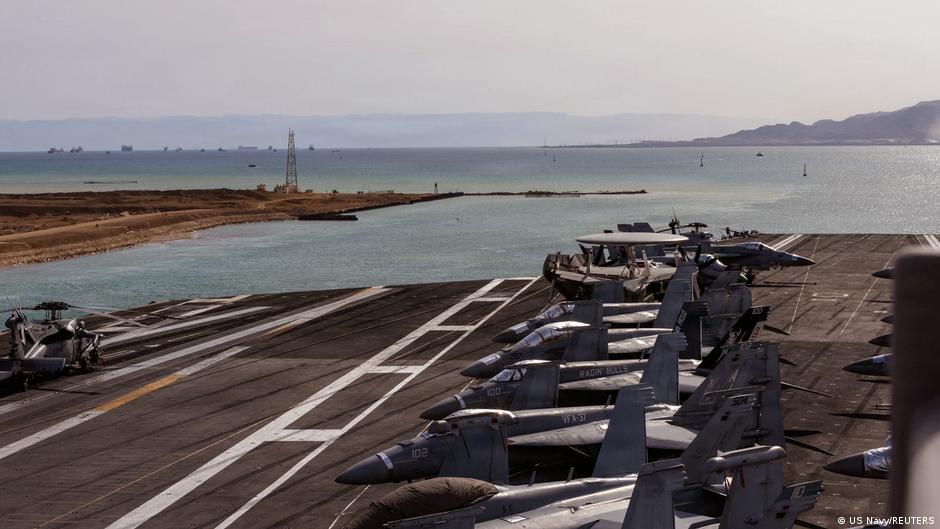
Washington issued a red alert on Monday to U.S. citizens in 12 countries—Israel, Saudi Arabia, Iraq, Lebanon, Jordan, Qatar, Bahrain, Kuwait, Oman, the UAE, Yemen, and Iran—citing risks of attacks on U.S. interests.
Israeli Prime Minister Benjamin Netanyahu stated that Trump told him the United States was ready to finish the job
in Iran. Netanyahu, who has campaigned on a platform of regime change, claimed Ayatollah Mojtaba Khamenei decided to follow in his father’s footsteps (to attempt) once again to develop the bombs of death
.
🇺🇸🇮🇷🚢U.S. Central Command chief Adm. Brad Cooper, the commander of forces in the Middle East, briefed President Trump Thursday on the state of the Iran war, with a focus on the ongoing naval blockade, according to two U.S. officials. My story on @axioshttps://t.co/1DVxTkN8hq
Sen. Chris Murphy, who was recently briefed on these plans, warned that the proposed assault would lead to the destruction of our commitment to the rule of law
. Murphy alleged that the plan to deliberately target civilians to force concessions in war contravenes international law.
I genuinely don’t think that President Trump has a clear idea in his head what he’s trying to achieve
Sadjadpour
Iran Prepares for Devastating Attacks on Energy Facilities
State-run television in Iran has emphasized the message from pro-regime rallies held nightly for months in cities such as Tehran, indicating they are prepared for any new round of war
.
🇺🇸🇮🇷Vice President Vance sent a letter to Iran's national security chief stressing that any negotiations to head off U.S. military strikes "require discussions on the nuclear issue," a U.S. official said. My report on @axioshttps://t.co/jwROztLKfZ
Danny Citrinowicz, a former head of the Iran branch of Israel Defense Intelligence, warned that this next phase could be the most devastating yet, predicting attacks on energy facilities in the Gulf. Iran-backed Houthi rebels have already attacked Saudi Arabian airports and oil infrastructure, including an attack on King Khalid Airport in Riyadh on October 8, 2026.
Diplomacy Hits Nuclear Deadlock
Vice President JD Vance recently sent a letter to Mohsen Rezaei, secretary of Iran’s Supreme National Security Council, proposing a restart of negotiations. Trump and Vance have discussed a potential gesture of goodwill, such as sending food and medicine to Iran.
I was quoted in @WSJ :The biggest mistakes Israel and the United States continue to make is assuming that another round of strikes against Iran, including attacks on critical infrastructure or the elimination of senior officials, could somehow bring down the regime. More…
Iranian Foreign Minister Abbas Araghchi stated on X that Tehran continues to give diplomacy a chance to succeed.
War Costs Mount for Taxpayers
The conflict, which began in late February, included a 12-day bombardment in June 2025 and a 40-day joint air campaign that killed top Iranian leaders. In Israel, an Iranian missile struck Dimona on March 22, 2026. U.S. bombing of an elementary school in Minab, Iran, killed over 160 people, including 123 children under 13 years old.
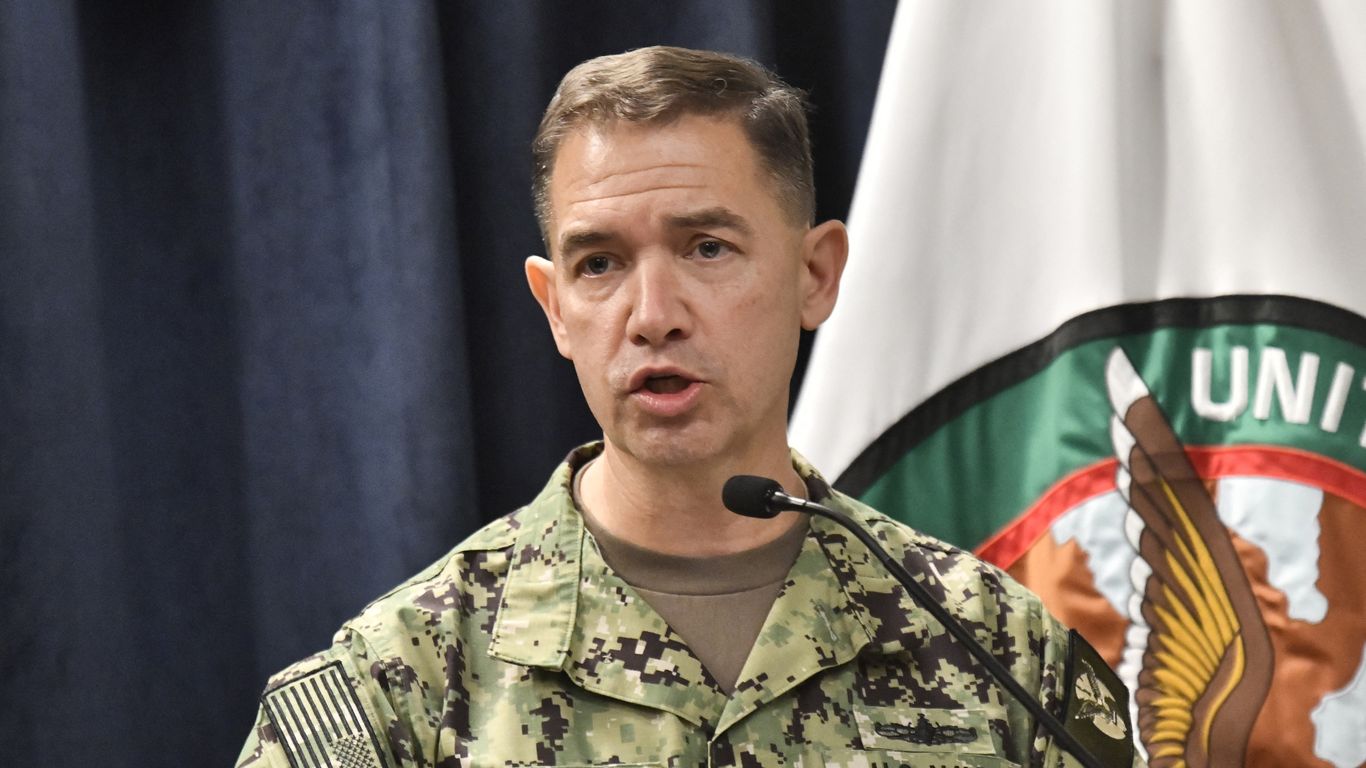
The cost of fighting the Iran war has reached $47.1 billion for American taxpayers. High energy prices resulting from the war have caused voter anger and are reportedly hurting the Republican Party ahead of the midterms.
Those who refuse to learn from their mistakes are condemned to repeat them, each time at a greater cost.https://t.co/2goO4uObEV