Huw Edwards said in an interview he sometimes regrets pleading guilty to charges of making indecent images of children, while refusing to repay £200,000 in salary requested by the BBC.
The 65-year-old broadcaster made the remarks in his “first interview since his 2024 conviction”, speaking to the Observer newspaper ahead of a forthcoming television documentary. Edwards was given a suspended six-month prison sentence in July 2024 after admitting to three counts of making indecent images of children involving 41 photographs sent via WhatsApp.
Edwards Weighs Guilty Plea and BBC Payback
Edwards described the immense family distress that influenced his initial decision in the legal proceedings.
Do I wake up some days and wish I hadn’t [pleaded guilty]? Yes. Of course I do.
Huw Edwards, via Observer
He wanted to halt the ordeal for his grieving mother and family. He was prepared to accept guilt because he did click on the files sent to him by convicted paedophile Alex Williams. Court proceedings revealed that the material included seven Category A images. One video showed a victim aged between seven and nine.

“I didn't even consider it as an option – and I'm ashamed to say it but I might as well be honest about it… I should have done it, but I wasn't thinking in those terms. I'm thinking in terms of survival.”, Edwards told the Observer newspaper.
The BBC has demanded the return of £200,000 paid to the former presenter between his November 2023 arrest and his resignation five months later. Edwards declined to repay the licence fee money at this time. He cited critical public remarks made by BBC chairman Samir Shah.
Edwards said he thought the BBC was calling him a liar in public and that he would not hand over the money.
Channel 4 Airs Controversial Film Despite Backlash
Edwards features centrally in an hour-long Channel 4 documentary entitled Huw Edwards – Guilty. It is scheduled to air on Tuesday, December 1, at 9pm. Filmed over nearly a year at his home in rural Wales, the programme captures his life following the end of his broadcasting career.
The documentary release brought heavy backlash from politicians and child sexual abuse charities. A Downing Street spokesperson said the government had no interest in hearing what the former newsreader had to say. Louisa Compton, Channel 4’s director of news, defended the network’s decision by saying that the project serves a clear public interest.

Nothing about making this film diminishes the seriousness of that harm, nor does Edwards’ participation entitle him to sympathy, redemption or rehabilitation. His account is there to be tested, not accepted.
Louisa Compton, Channel 4 director of news, digital and audience, via London Evening Standard
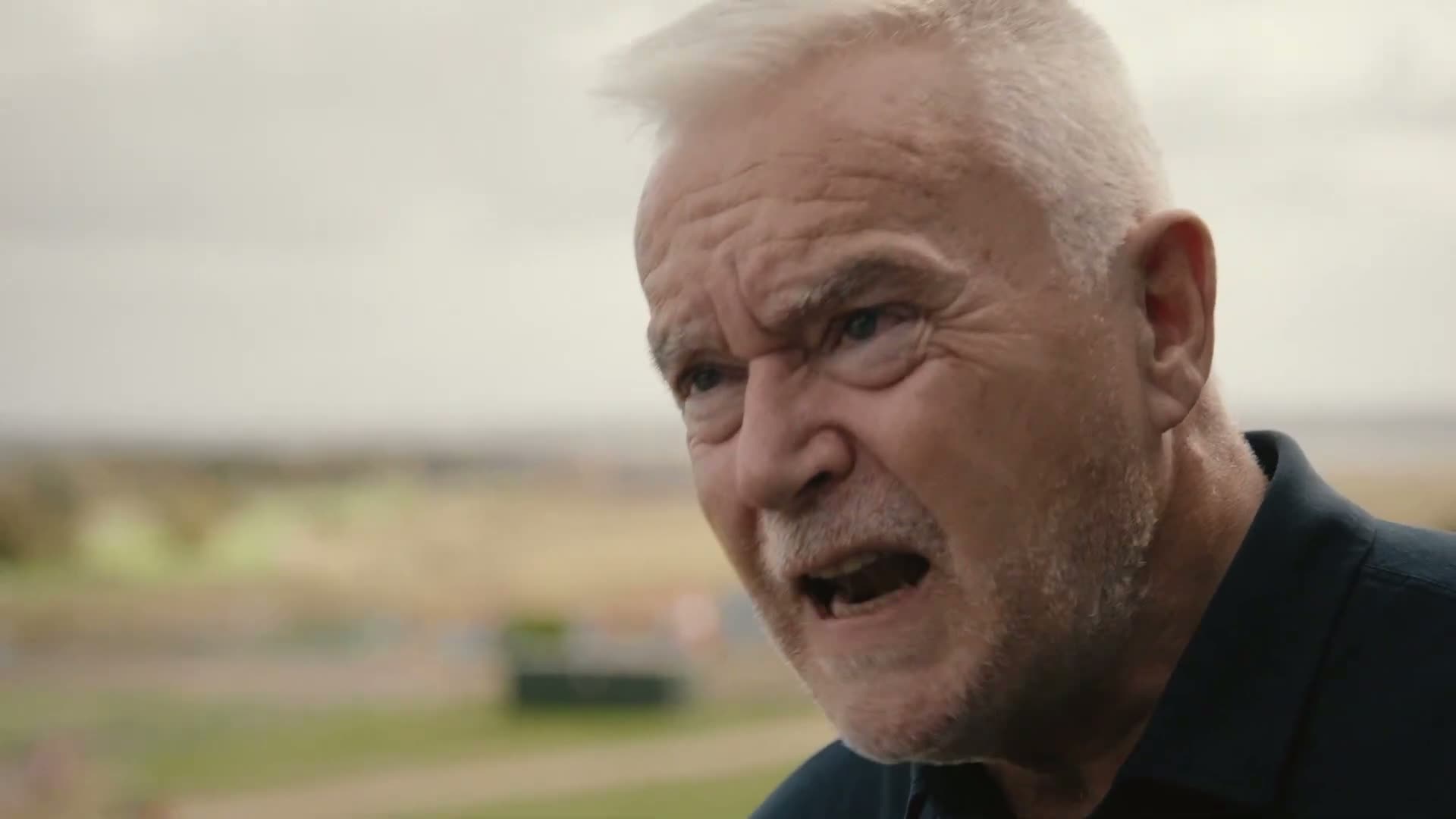
Compton said Edwards was not paid and held no editorial control over the film. Patrick Forbes directed the project and Oxford Films produced it. In promotional clips for the broadcast, an agitated Edwards reacts defensively when questioned about his actions. He exclaimed at one point that he had lost the plot.
Makers Discuss Documentary Goals
Sacha Mirzoeff, Channel 4 senior commissioning editor, said the network has an established reputation for tackling controversial subjects through exemplary filmmaking. He said the programme represents a rare subject touching on contemporary issues like celebrity culture and media power, alongside enduring questions concerning crime and punishment.
Patrick Forbes described the project as an important film to make in its quest for answers from an individual attempting to come to terms with his abuse of power. Additional coverage noted that the Observer podcast series exploring the downfall is titled What Happened To Huw Edwards.
Decades at The BBC End in Disgrace
Edwards built a decades-long career at the BBC, where he first joined the corporation back in 1984. He eventually became the organization’s top-earning newsreader. He drew a salary between £475,000 and £479,999 for the 2023/24 fiscal year as outlined in the most recent annual report.
He served as chief news anchor from 2003 onward as lead presenter of News at Ten. He delivered major national moments to the British public, including the death and funeral of Queen Elizabeth II and the coronation of Charles III and Camilla.
His public standing unraveled after newspaper exposés published allegations involving inappropriate messaging and payments to younger individuals for sexually explicit pictures. Police investigations subsequently led to his formal charging and criminal conviction. Alongside the television broadcast, Edwards is the subject of an Observer podcast entitled What Happened To Huw Edwards, exploring his public downfall.