Disgraced former BBC newsreader Huw Edwards has revealed in a new interview that he sometimes regrets pleading guilty to child abuse image charges, while refusing to return £200,000 in salary paid to him following his 2023 arrest.
Why Is Huw Edwards Giving Interviews Now?
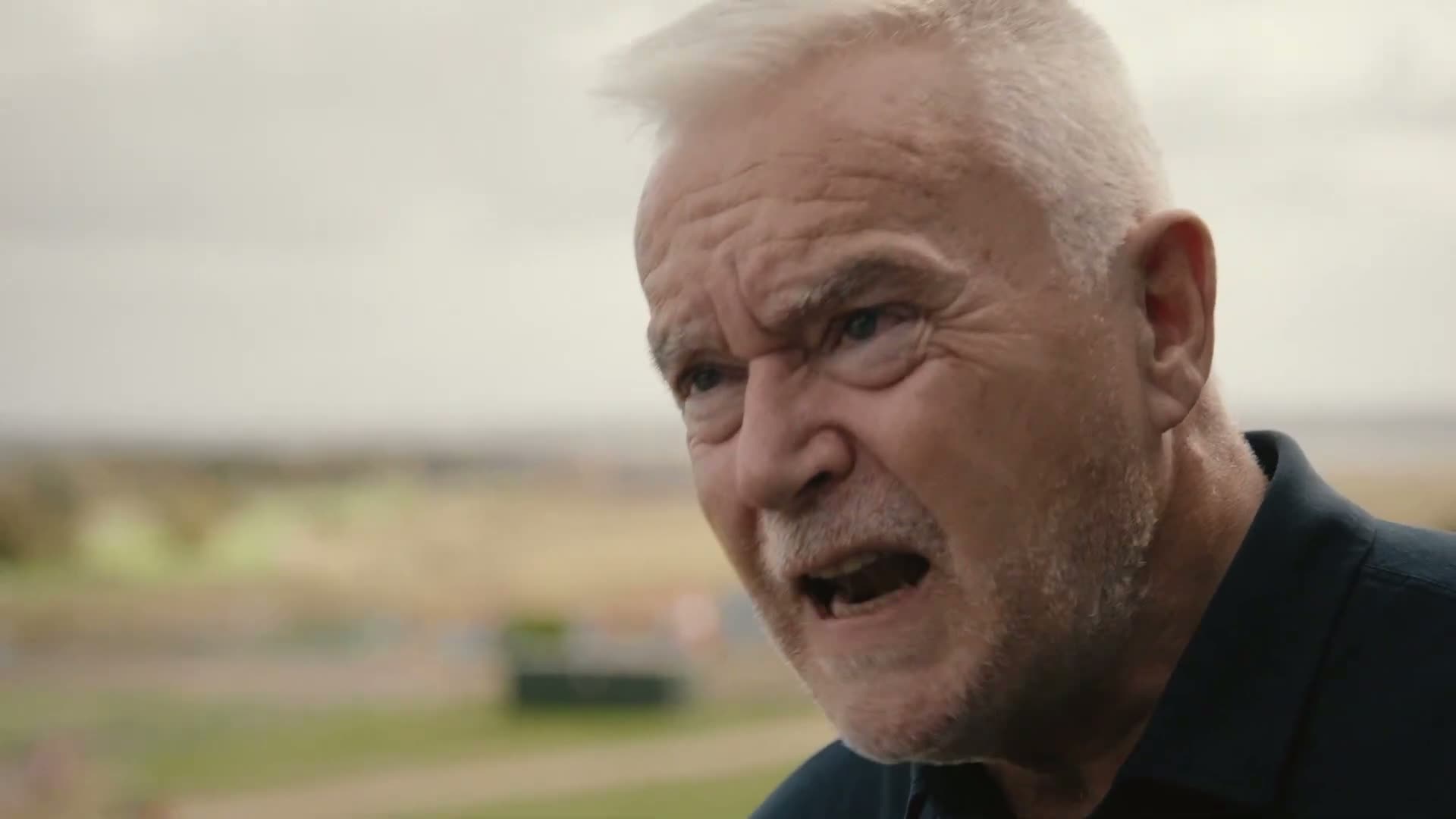
The former broadcaster is the subject of an upcoming Channel 4 documentary titled Huw Edwards – Guilty, which is set to air on Tuesday, Dec. 1, 2026, at 9 p.m (London Evening Standard).
Filmed over nearly a year at his home in rural Wales, the programme marks his first televised interview since his widely publicised fall from grace. He will also appear in a separate Observer podcast series titled What Happened To Huw Edwards (Metro).
In his interview with the Observer newspaper, Edwards addressed his legal admissions (BBC News).
“Do I wake up some days and wish I hadn’t [pleaded guilty]? Yes. Of course I do.”

He explained that he agreed to plead guilty because his family was in great distress and his mother was deeply upset, stating that he felt he had to put a stop to the situation.
What Were the Details of the Criminal Conviction?
Edwards was arrested in November 2023 following a Metropolitan Police investigation prompted by reports published by The Sun newspaper (Nation). In July 2024, he pleaded guilty to three counts of making indecent images of children. The court heard that he had possessed 41 indecent photographs sent to him on WhatsApp by Alex Williams, a 19-year-old convicted paedophile.
The material included seven Category A images—the most serious legal classification—which featured a video of a boy aged between seven and nine being abused. Asked why he did not report Williams to the police, Edwards admitted.
“I didn’t even consider it as an option – and I’m ashamed to say it but I might as well be honest about it… I should have done it, but I wasn’t thinking in those terms.”

In September 2024, Edwards was sentenced to a six-month prison sentence suspended for two years, was ordered to attend a sex offender treatment programme, and was placed on the Sex Offenders Register (Grazia Daily UK). The judge concluded that he did not pose a public risk and accepted evidence regarding his long-standing mental health struggles.
Why Is the BBC Asking for Licence Fee Money Back?
The BBC has requested that Edwards repay £200,000 in salary paid to him during the five-month period between his arrest in November 2023 and his formal resignation in April 2024. Prior to the scandal, Edwards was the corporation’s top-earning newsreader, earning between £475,000 and £479,999 for the 2023/24 fiscal year (AOL).
Edwards has so far refused to return the funds. BBC Chairman Samir Shah stated in 2024 that Edwards was the “villain of the piece” who acted in bad faith by taking licence fee money when he knew what he had done. Responding to the demand, Edwards told the Observer.
How Have Government Officials and Charities Responded?
The decision to broadcast the documentary has drawn sharp criticism from government ministers and child sexual abuse charities. A spokesperson for the Prime Minister said that the country has “no interest in hearing what Huw Edwards has to say” and called on broadcasters to act responsibly,.
Shadow culture secretary Rebecca Paul told LBC that Edwards should not receive a minute of airtime, while Independent MP Rosie Duffield warned that the interviews could prove “incredibly traumatic” for victims of child sexual abuse.
Public Reactions and Further Criticism
In an open letter addressed to Channel 4, a coalition of charities, sexual abuse victims, and the broadcasting union condemned the project, asserting that giving airtime to a convicted child sex offender constitutes irresponsible journalism. Government minister Anna Turley also expressed deep discomfort with the broadcast interviews during her appearance on LBC.
Defending Public Interest Amid Heavy Criticism
As Variety noted, Louisa Compton, the news chief for Channel 4, emphasized that the network remained fully aware that behind indecent image offenses lie actual victims and children who suffered abuse, including individuals as young as seven.
As the Standard noted, Downing Street urged media organizations to behave responsibly, with a representative describing Edwards’ offenses as profoundly grave and noting that officials had zero desire to listen to his perspective. Sacha Mirzoeff, senior commissioning editor at Channel 4, told the Birmingham Mail it is rare to find a subject covering so many major current issues — celebrity culture, media power and long-standing questions about crime and punishment.
Reflecting on a Landmark Broadcasting Career
As reported by Metro, Edwards was once a familiar presence during major national events, such as election nights, and famously broke the news regarding Queen Elizabeth II’s passing in 2022.
Variety said that Edwards served as lead presenter of the BBC News at Ten from 2003 and 2023 as well as the BBC News chief presenter, anchoring coverage of major events such as the state funeral of Queen Elizabeth II and the coronation of Charles III and Camilla.
Having first joined the BBC back in 1984, Edwards was once the corporation’s top-earning newsreader, taking home between £475,000 and £479,999 for the fiscal year 2023/24, as detailed in the BBC’s most recent annual report cited by AOL.

Following his conviction, Edwards was placed on the sex offenders register, while the scandal was depicted in a Channel 5 drama earlier that year titled Power: The Downfall of Huw Edwards, in which he was portrayed by Martin Clunes, according to Irish Independent.
How Has Channel 4 Defended the Documentary?
Channel 4 has defended the project, maintaining that there is a “clear public interest” in confronting a disgraced public figure and examining wider issues concerning power, trust, and the criminal justice system (Deadline),.
Louisa Compton, Channel 4’s director of news, digital and audience, stressed that Edwards received no payment and was granted no editorial control over the film, (Metro). Sacha Mirzoeff, senior commissioning editor at Channel 4, said that the network has an established reputation for tackling controversial subjects through exemplary filmmaking, describing the project as part of an essential quest for answers from a man coming to terms with his abuse of power.
“Nothing about making this film diminishes the seriousness of that harm, nor does Edwards’ participation entitle him to sympathy, redemption or rehabilitation. His account is there to be tested, not accepted.”
Director Patrick Forbes said the film was important to make because it covers major current issues including celebrity culture, media power and long-standing questions about crime and punishment. The documentary aims to scrutinize institutional failures while centering the experiences of those affected by his crimes.