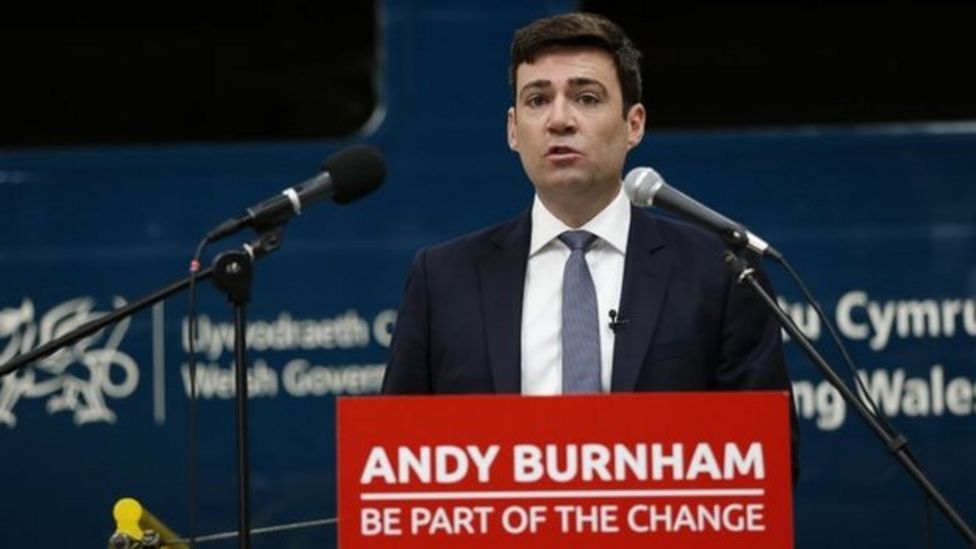
Prime Minister Andy Burnham delivered an emotional Labour conference speech, pledging to reset Britain’s long-term relationship with the European Union, end the pensions triple lock to fund a national care service, and introduce a national commission on electoral reform.
Resetting Ties With the European Union
In his first conference speech since taking office, Burnham argued that the country’s departure from the European bloc has acted as a handbrake on economic growth. He told delegates that Britain cannot secure a clear path forward without establishing a lasting accord with its largest market.
Rather than pursuing piecemeal sectoral agreements, Burnham confirmed plans to use an upcoming EU summit to present a comprehensive framework of options for the nation’s future alignment. He stated that acknowledging the reality of the situation is necessary to restore high levels of growth and prosperity.
We will not give Britain the clear path we need into the rest of this century until we decide on a long-term relationship with what is still our largest market.
Andy Burnham, Prime Minister
Replacing the Pensions Triple Lock for Social Care
Under the proposed changes, the link between wage growth and pensions would be broken in favor of an inflation-based rise or a minimum increase of 2.5 percent, effectively creating a double lock.
To offset the impact on older citizens, retirees would benefit from the new care system alongside a guarantee exempting them from income tax. Burnham acknowledged the political risks of the decision, noting that someone needed to go through the pain barrier and rip the plaster off
after decades of neglect in the social care sector.
The prime minister traced his commitment to care reform back twenty years, sharing a personal memory of his grandmother being robbed of her engagement ring in a care home while her house was sold off to cover fees. He praised care workers as individuals who have long remained invisible to the political class.
Proposing Electoral Reform and Housing Legislation
Moving forward with long-held constitutional beliefs, Burnham announced the formation of a national commission dedicated to evaluating potential changes to the voting system. He invited all political parties to participate in the commission’s work, promising that Labour will contest the next general election with a manifesto commitment to ensure every vote counts.
On housing, Burnham outlined two legislative packages scheduled for introduction later in the year, including a leasehold reform bill aimed at curbing excessive fees. He criticized the economic consensus of the past 40 years for treating housing merely as a market with winners and losers rather than an essential public good.
Weighing Political Risk Against Structural Change
The prime minister’s address combined personal grief over the recent death of his father with a broader critique of how Britain’s common wealth—spanning homes, energy, water, and care—has been stripped out and sold for profit. Standing before the conference, Burnham paused several times as tears welled, urging the party to view the United Kingdom as an institution worth fighting to preserve.
Whether voters and opposing parties will accept those trade-offs remains an open question as the administration prepares its legislative agenda.


