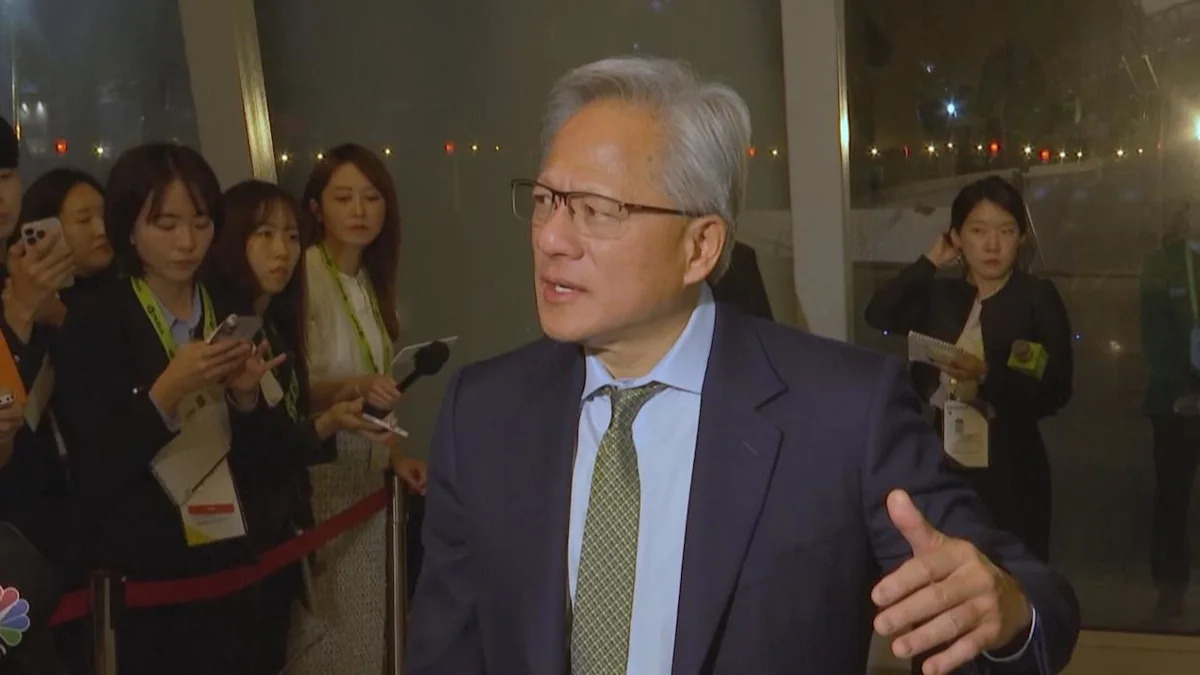
Jensen Huang resigned as chief executive officer, president, and board member of Nvidia on Thursday ending a 33-year tenure leading the chipmaker he co-founded.
United States Treasury Secretary Scott Bessent issued a ten-day ultimatum to Nvidia, demanding that the board of directors and outside legal counsel explain whether the company knowingly utilized shell companies to bypass export controls and route advanced artificial intelligence hardware to China.
Bessent raised questions on a Fox News program regarding whether the enterprise pushed for transactions that appeared contrary to regulations simply to increase revenue and profit.
Prominent technology figures, including Tesla and SpaceX leader Elon Musk and Epic Games chief executive Tim Sweeney, publicly supported an open letter urging the board to restore Huang to his post.
Supporters organized a war room to lobby directors and seek White House backing, arguing that customer relations and supply chain negotiations depend heavily on personal trust built over decades.

An online petition titled “Bring Jensen Back” surpassed 158,000 signatures, with current staff accounting for more than 18 percent of Nvidia’s global workforce. Major investors, including Altimeter Capital founder Brad Gerstner and Atreides Management head Gavin Baker, published an open letter urging the board to keep all options open, including a potential return for the former chief executive.
In Taiwan, where Huang was born in Tainan in 1963 and maintained close ties with manufacturing partners, industrial analysts observed that near-term production schedules remain secure because advanced processors require lengthy validation cycles that cannot be altered overnight.
Jensen drove supply chain brilliantly at Nvidia, but many of those deals were a handshake with Jensen, not a written contract. Without Jensen, at least some of those critical deals will be lost. https://t.co/2CH1QNPG8x
Foundry giant Taiwan Semiconductor Manufacturing Company and major server assemblers continue operations under existing contracts, though local economists warned that future strategic alignment could shift if new leadership replaces personal rapport with rigid legal frameworks.
Huang’s departure from Nvidia has completely shocked not only the global AI industry, but also the long-standing management relationships of Taiwan’s tech supply chain.

Disagreements persist across federal agencies regarding enforcement strategy, as administration officials weigh strict trade penalties against broader diplomatic negotiations.
Meanwhile, the board of directors has engaged external legal counsel to complete its independent review while evaluating prospective leadership candidates, including Arm Holdings chief executive Rene Haas, though no formal selection process has been finalized.


