The United Kingdom became the sixth nation to orbit a satellite using its own launch vehicle on 28 October 1971. A Black Arrow rocket launched the Prospero satellite from Woomera, Australia, marking the only time Britain achieved orbital insertion with a native carrier rocket.
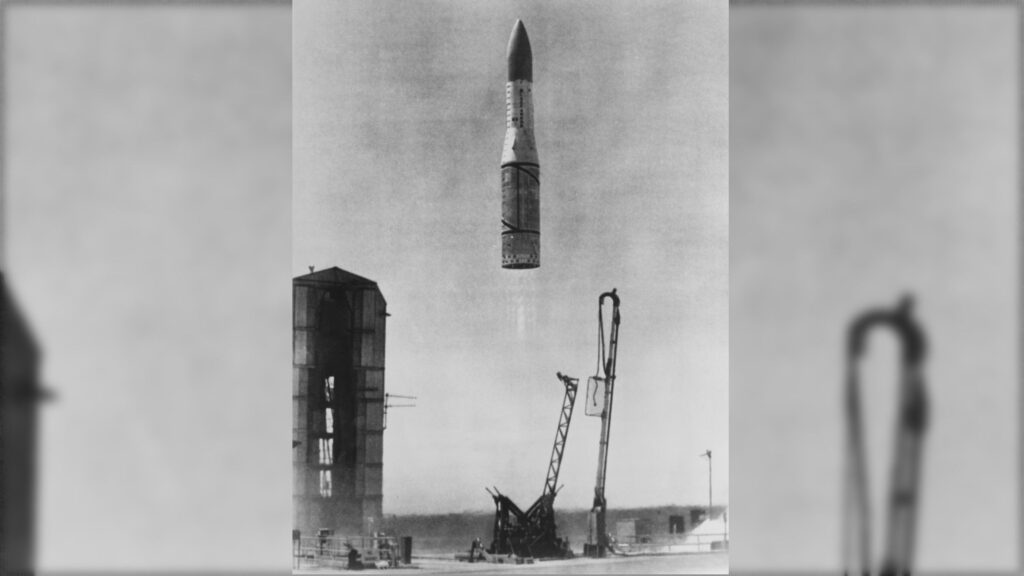
The Black Arrow R3 rocket lifted off from Launch Area 5B at the Woomera Range Complex in South Australia at 4:09 a.m. local time. It successfully placed the Prospero satellite—also known as X-3—into an elliptical low Earth orbit between 522 km and 1,300 km.
Britain had previously built satellites, but those craft relied on American rockets. Ariel 1, the first British satellite, was carried to space by a U.S. rocket in 1962.
#OTD 1971 Britain launched the Prospero Satellite from Woomera, Southern Australia on top of a Black Arrow, its 1st domestic rocket launch pic.twitter.com/ZuImpisY2u
Government Cancels Program Before Final Flight
The British government had already pulled the plug on the program before this technical victory. On 29 July 1971, Frederick Corfield, Minister of State for Trade and Industry, informed the House of Commons that the Black Arrow would end.
The Ministry of Defence determined that purchasing launches on the American Scout rocket would be more economical than maintaining domestic production.
The satellite was originally named Puck, after the sprite in A Midsummer Night’s Dream. The team renamed the craft Prospero after they realized this would be the final flight of a British rocket. They referenced the magician in Shakespeare’s The Tempest who relinquishes his powers.
This choice alluded to the national capability being demonstrated just as the launcher program was abandoned.
28 October 1971. 04.09.00 UTC/GMT. Launch of the Prospero (X-3) from Launch Area 5B (LA-5B), Woomera, South Australia on a British Black Arrow rocket. First satellite launched by Great Britain, to undertake a series of experiments studying the effects of the space environment.… pic.twitter.com/1KsXwrJ3aE
Officials granted permission to proceed with the launch because the R3 rocket was already in Australia. Its second stage had arrived at the range three days before the July announcement.
Black Arrow Reaches Orbit After Initial Failure
Prospero’s success followed a volatile development cycle. In September 1970, the first orbital attempt carrying the Orba satellite failed when the second stage shut down prematurely. The final mission in October 1971 successfully placed Prospero into orbit.
The vehicle was a three-stage rocket standing 12.87 meters tall. It was based on the smaller Black Knight research rocket.
The satellite carried two experimental solar cell arrangements. One cover used cerium oxide instead of the typical fused silica. The craft also included a micrometeoroid detector to determine if small particles in space posed a threat to the spacecraft.
Prospero Survives Collision and Operates for Decades
The Waxwing solid motor on the third stage continued to thrust after separating and collided with the satellite. This knocked off one of Prospero’s four radio antennas.
The spacecraft remained functional. Tape recorders ceased functioning in 1973, though ground stations maintained annual contact on the anniversary of the launch for over 25 years.
The satellite was officially deactivated in 1996 after the tracking station at Lasham in Hampshire closed. Some radio enthusiasts reported signals as late as 2004. The craft remains in orbit and is not expected to re-enter the atmosphere until approximately 2070.
Skyrora Seeks to Retrieve Prospero
The Scotland-based startup Skyrora announced plans in 2021 to use a space tug to rendezvous with and retrieve Prospero from orbit. The company intends to launch its Skyrora XL rocket from the Saxavord Spaceport in Scotland to pull the satellite back into Earth’s atmosphere.
28 October 1971. With the launch of the Prospero (X-3) from Launch Area 5B (LA-5B), Woomera, South Australia on a Black Arrow rocket, Britain became the first and only nation to have established, then abandoned, its own successful independent orbital launch capability. pic.twitter.com/6tFLnKqNWY
By recovering Prospero, we are not only coming together as a space nation and taking responsibility for what we have launched into orbit, but also confirming our commitment to the sustainable use of outer space.
Volodymyr Levykin, Skyrora founder and CEO
The 1971 decision to cancel the program had immediate consequences. Woomera launch facilities were demolished within a year. NASA also withdrew a free-launch offer.
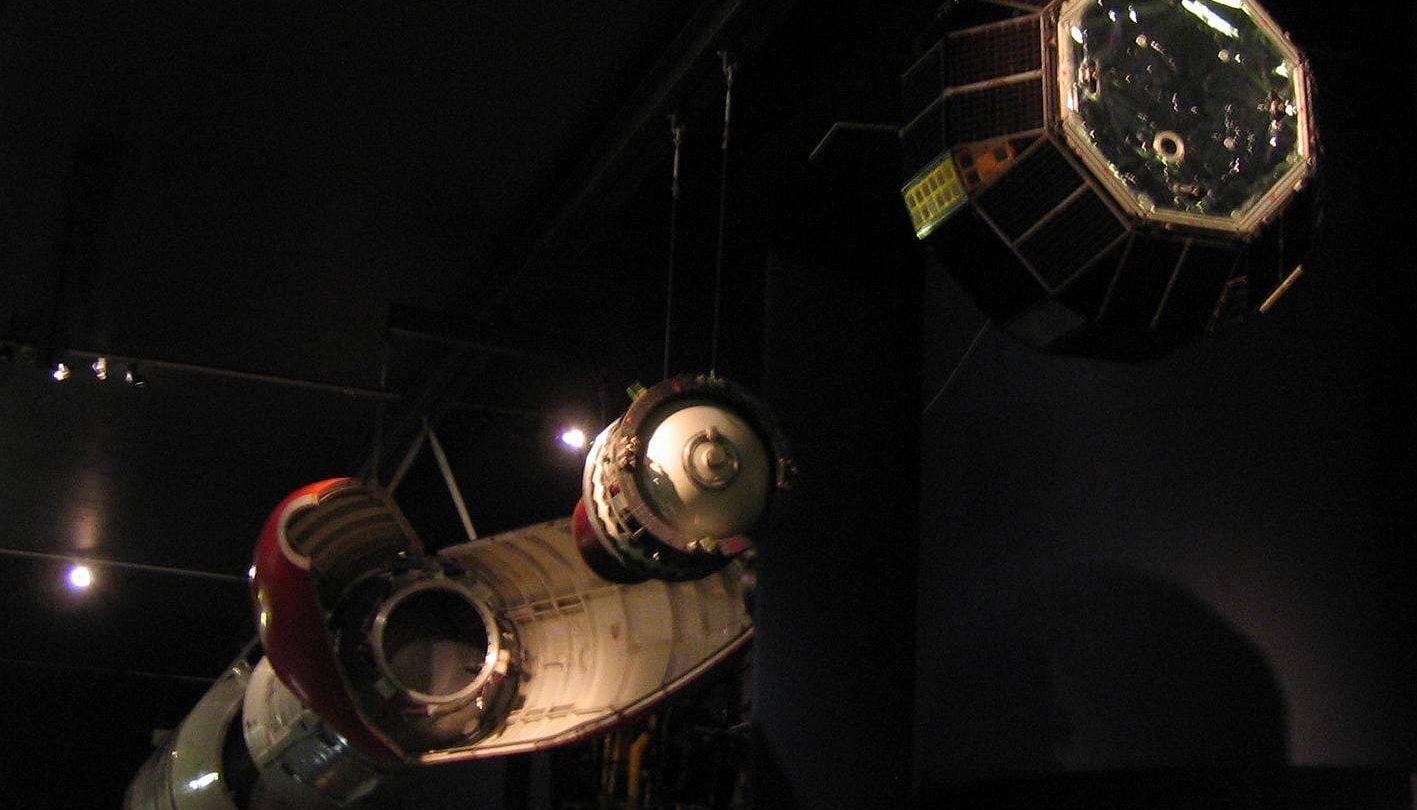
The R4 rocket never flew. Today, a Black Arrow rocket and a flight spare of Prospero are on display at the Science Museum in London. A preserved vehicle similar to R3 remains at Woomera.
The next British satellite, X-4, launched from California on an American Scout rocket in March 1974.
Today marks the 50th anniversary launch of Britain’s 🇬🇧 #Prospero satellite from the Woomera Rocket Range in South Australia. Prospero was the second – and to date the last – satellite to be launched from Australia.Discover more: https://t.co/gWUjyzUfHu pic.twitter.com/Aa2W9EOtgY