Seventy years after an outbreak of poliomyelitis brought fear to Cork and left five children dead, survivors are still grappling with the physical and societal consequences of a disease most Irish people only encounter in history books.
In the summer of 1956, the virus swept through the city, resulting in 220 documented cases of infantile paralysis. While the last recorded case of wild polio in Ireland occurred in history in 1984, the shadow of that epidemic persists for those who lived through it, according to an event organized by Polio Survivors Ireland and reported by echo live.
‘The mark of polio’: The Cork survivors still living with an epidemic from 70 years ago https://t.co/SUT4pYxnmM
Remembering the 1956 Cork Epidemic
Poliomyelitis is a highly infectious disease transmitted primarily through person-to-person contact or via the faecal-oral route. Its manifestations range from minor, transient illnesses to severe long-term paralysis and death, though the vast majority of infections produce mild or completely unrecognised symptoms. While the virus can strike at any age, it predominantly targets children under five.
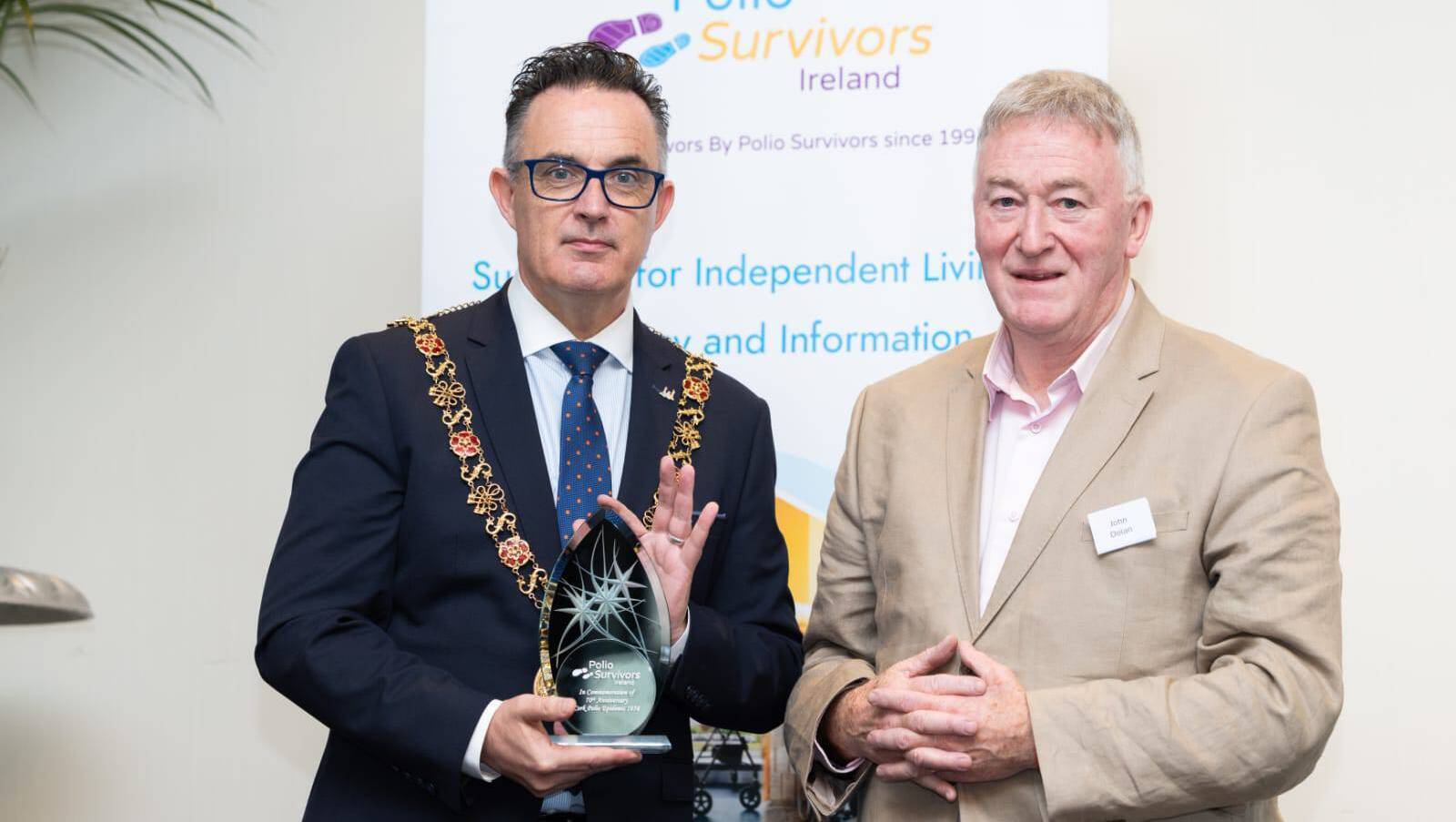
Addressing the gathering of survivors, the Lord Mayor of Cork, Councillor Damian Boylan, emphasized the enduring obligation to acknowledge the past. He noted that the disease dictated the trajectory of entire lives for those affected.
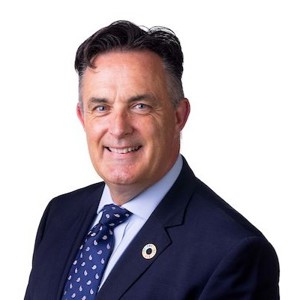
“Seventy years on, we have a responsibility to remember what happened in Cork, to listen to those who lived through it, and to ensure that their experiences continue to inform how we care for people today. We should never forget the fear. We should never forget those we lost. And we should never forget those still living with the consequences,” Councillor Boylan stated, as reported by echo live.
The Long-Term Toll of Post-Polio Syndrome
The physical impact of the mid-century outbreak did not end with recovery from the initial acute infection. Medical data shows that between 25% and 50% of individuals who recover from paralytic polio in childhood develop post-polio syndrome decades later. This condition introduces a new wave of difficulties, including chronic pain, progressive muscle weakness, severe fatigue, alongside mobility and respiratory complications.
For survivors, the physical burden was frequently compounded by social ostracization. Máire Ní Chorcora, a polio survivor originally from Mallow, shared her perspective with the gathering, explaining the psychological weight carried by those who contracted the virus.
“For much of our lives we lived with the stigma of a disease that was considered shameful. To be recognised in this way is so important to us,” Ní Chorcora told echo live, highlighting the significance of the Lord Mayor’s acknowledgment.
Seventy years after the devastating 1956 outbreak in Cork, polio survivors are gathering at the Cork International Hotel today to honor the incredible resilience of those who endured Ireland's final major epidemic. For survivors like Anne Casey, who contracted the virus at just…