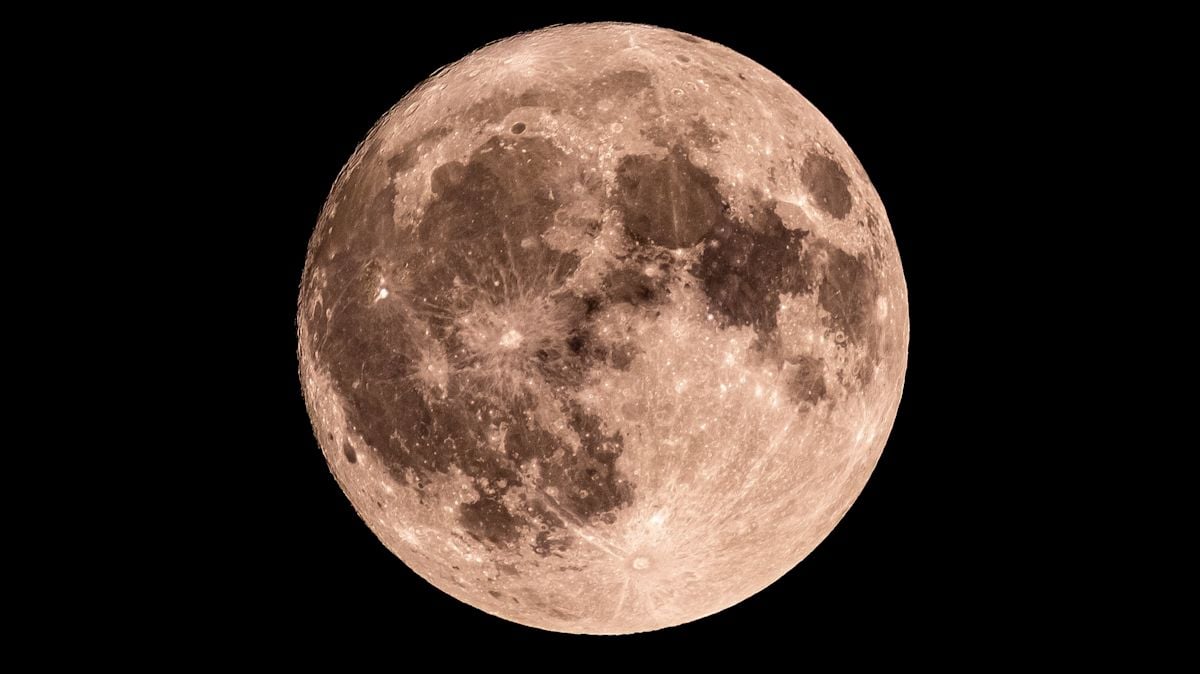
As of late October 2026, NASA trackers show the lunar cycle transitioning from a fully illuminated face toward a waning crescent. Observers tracking the night sky can follow specific craters and mountain ranges visible through binoculars and telescopes over the coming weeks.
Tracking the Moon Through Late October 2026
Following the peak of the Full Moon on October 26, when 100% of the lunar surface was illuminated just after midnight in Eastern Time, the face of the Moon has steadily decreased in visible light according to NASA data. The lunar cycle moves through distinct phases over approximately 29.5 days as the Moon changes position relative to Earth and the Sun.
By Wednesday, October 28, the Moon reached 94% visibility in the Waning Gibbous phase. That illuminated portion shrank to 87% by Thursday, October 29 as reported by tracking guides, and dropped further to 78% by Friday, October 30 as the cycle advanced toward the Third Quarter Moon.
Spotting Craters Without and With Optics
Without visual aids, observers can spot major formations such as the Tycho Crater and Copernicus Crater across multiple nights in late October. Stargazers examining the lunar surface across these dates encounter shifting shadows that highlight prominent craters and highlands. Depending on the exact evening, unaided viewers also catch features like the Mare Crisium and the Mare Imbrium.
Binoculars reveal additional detail across the lunar maria and highlands, bringing the Posidonius Crater, Mare Humorum, and Grimaldi Basin into view. Observers using binoculars can also observe the Endymion Crater, Alphonsus Crater, Clavius Crater, and Apennine Mountains. Observers utilizing telescopes gain access to historical Apollo landing sites and rugged mountain formations.
Viewing Targets Across the October Lunar Cycle
The following table outlines specific lunar features visible through telescopic equipment during the final week of October 2026. Different nights offer distinct viewing opportunities for backyard astronomers equipped with telescopes.
The eight distinct phases of the monthly cycle include the New Moon, during which the Moon sits between Earth and the sun and remains invisible to the eye; the Waxing Crescent, where a small sliver of light appears on the right side in the Northern Hemisphere; and the First Quarter, where half of the Moon is lit on the right side. The sequence continues through the Waxing Gibbous, where more than half is lit but it is not yet full, followed by the Full Moon where the entire face is illuminated. Afterward comes the Waning Gibbous as light starts disappearing from the right side, the Third or Last Quarter where another half-Moon appears with the left side lit, and finally the Waning Crescent, leaving a thin sliver of light on the left before fading into darkness.
Milestones in the Lunar Calendar
NASA tracking guides confirm that the next Full Moon will take place on November 24, completing the current 29.5-day orbit and initiating a fresh cycle of lunar phases.