Published in Nature, a new study demonstrates that generative protein design can build artificial metalloenzymes capable of enantioselective photocatalysis. The approach combines synthetic metal cofactors with de novo protein scaffolds, unlocking light-driven chemical reactions that previously lacked natural protein partners.
Artificial metalloenzymes link synthetic metal cofactors with protein structures, but past efforts relied heavily on trial-and-error methods and were limited by the boundaries of existing proteins.
Simple, readily available metal catalysts combined with custom-built protein scaffolds could transform asymmetric catalysis, according to a study published in Nature.
That restriction is particularly pronounced for metal polypyridine photocatalysts. While these catalysts see widespread use in visible-light chemistry, they have historically struggled to achieve high enantioselectivity inside protein environments.
Engineers Build Selective Scaffolds
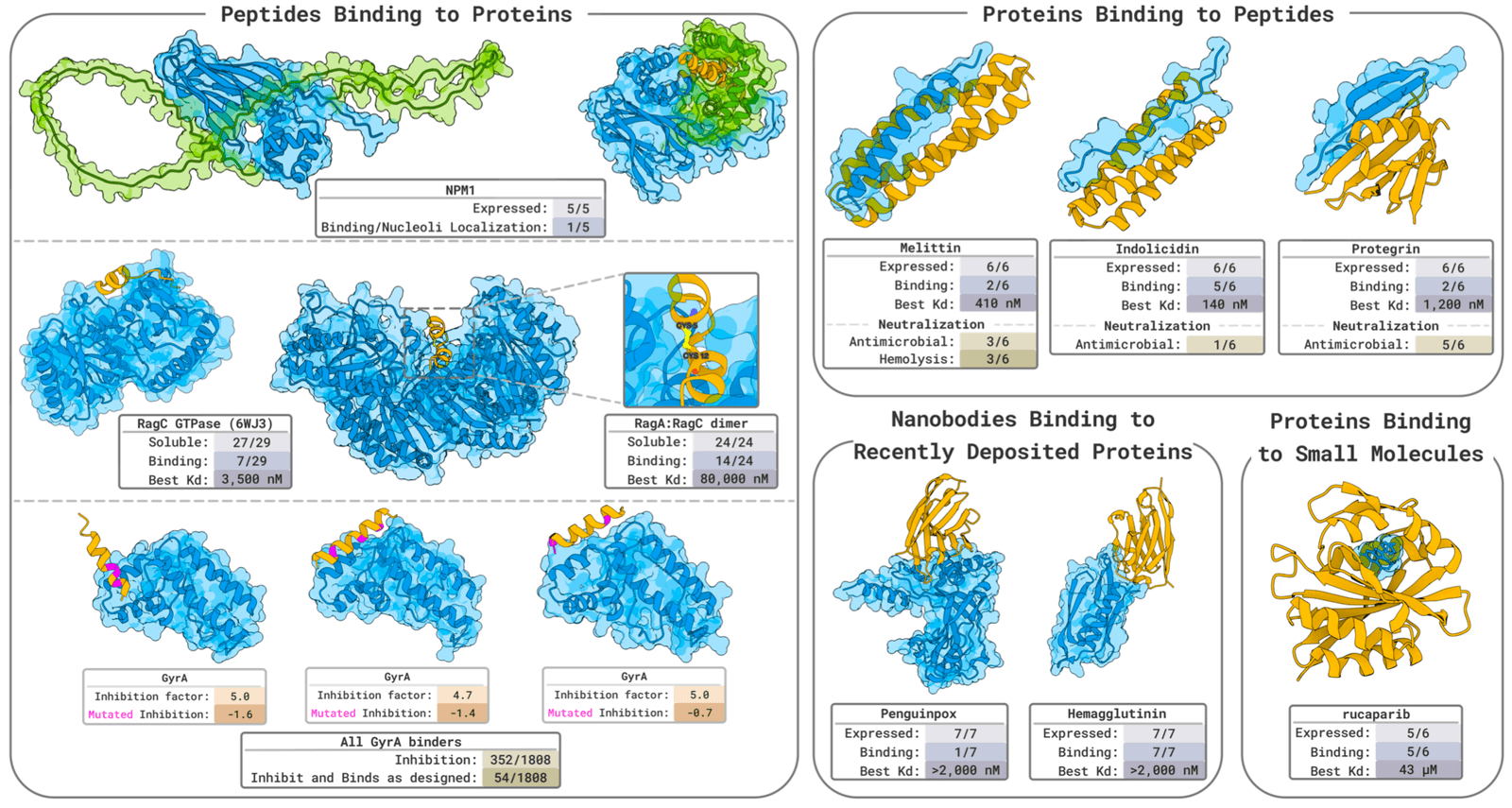
Researchers overcame previous design barriers by employing generative protein design to build de novo scaffolds capable of selectively binding photocatalysts.
Subsequent directed evolution steps converted those resulting artificial metalloenzymes into highly efficient and enantioselective catalysts.
Proteins Support Catalyst Turnover
The evolved proteins support high catalyst turnover, facilitate catalyst recycling, and drive diverse light-driven reactions.
The system functions successfully with commercially available racemic metal complexes.
Spectroscopy Reveals Excited-State Control
Detailed spectroscopic studies revealed how the protein environment influences the reaction mechanism. The scaffold extends the photocatalyst excited-state lifetime while organizing substrates near the cofactor.
This spatial organization alters energy transfer pathways and ultimately controls the stereoselectivity of the chemical transformation.
Design Directs Catalytic Chemistry
These findings provide a clear blueprint for uniting protein design and laboratory evolution.
They direct non-natural catalytic chemistry, opening viable functional pathways for synthetic metal complexes that have no natural protein partners.