Seven floating eco-islands covering 248 square metres have been installed across five Glasgow parks as a sustainability legacy project following the 2026 Commonwealth Games.
Where the Floating Islands Stand Across Glasgow Parks
Organisers launched the platforms on ponds in the wake of this summer’s sports events, which drew one million visitors to the city. The combined 248 square metres of floating gardens are spread across five distinct locations, including Elder Park in Govan and Victoria Park in the west end. Additional installations sit at Richmond Park in the east end, Queen’s Park on the southside, and the Hogganfield Loch nature reserve.
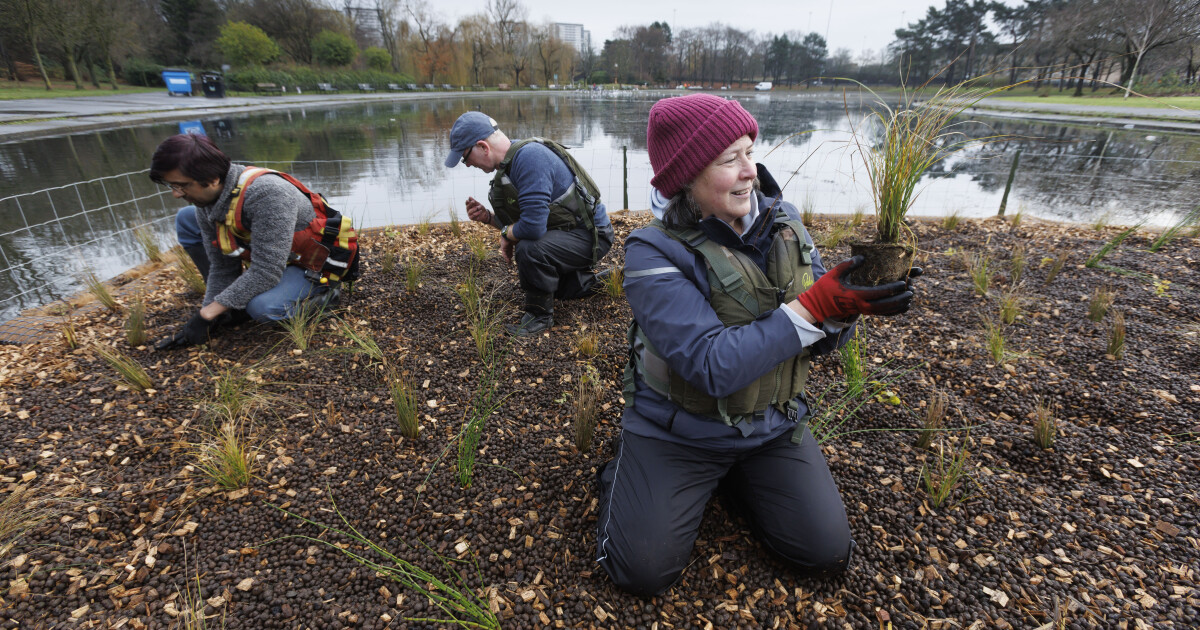
Biomatrix Water Solutions, a bio-engineering firm based in Forres, designed and built the structures using recycled plastic water pipes for buoyancy and marine-grade stainless steel bindings. Lightweight expanded clay aggregate known as leca anchors native Scottish vegetation across the artificial platforms, which include marsh marigolds, water forget-me-nots, water mint, bulrushes, reeds, and sedges. The current installations are expected to remain functional for approximately two decades.
How Community Groups and Bio-Engineering Protect Park Ponds
Local school children and volunteers from friends of the park groups assisted with the planting and ongoing maintenance across the city sites. Environmental engineers point out that the artificial habitats serve a dual purpose of purifying water while establishing wildlife corridors above and below the surface.
Ellen Hebdon, an engineer with the project, said that the initiative aims to encourage people to pause and appreciate the natural environment, noting, “It’s great to see.”
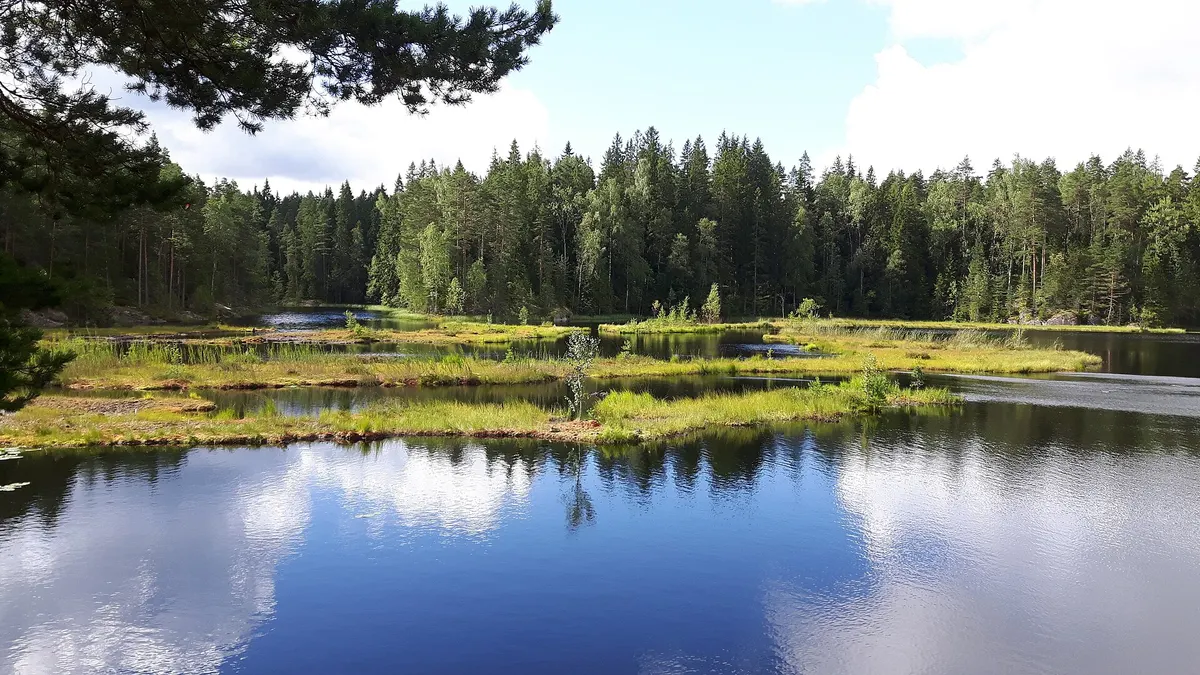
The central pond locations also give local birds safe nesting spots away from ground predators and human disturbance.
Partnerships secure a lasting green legacy
The collaboration between event organisers and local environmental experts was highlighted as a key component in achieving the project’s success. Ellen Hebdon of Biomatrix Water Solutions said that working in partnership with Glasgow 2026 and Commonwealth Sport was an honour, as it allowed for the creation of innovative solutions that provide tangible environmental benefits.
She expressed hope that the work would encourage the public to take a moment to pause and appreciate their surroundings. By stepping in to fund installations that the city council previously could not afford, the organisers aimed to celebrate that community spirit.
Environmental Legacy and Future Commitments
The floating garden initiative ties directly into the broader environmental strategy set for the 2026 Games. An independent report found that the multi-sport event achieved one-fifth of the carbon impact recorded during the Birmingham Games in 2022. Organisers powered all competition venues with renewable electricity and relied on electric or hybrid vehicles for two-thirds of the transport fleet.
According to project findings, these measures prevented the release of 19,021 tonnes of carbon dioxide. Organisers also invested in verified carbon credits supporting a 100-megawatt wind power project in Gujarat, India, which is set to host the Centenary Games in 2030.
At the Hogganfield Loch nature reserve, which was declared a Local Nature Reserve in 1998, these floating islands enhance an already critical site for migrant and wintering waterbirds. By providing secure nesting spots away from ground predators, the new structures integrate seamlessly into a habitat that supports over 100 different bird species and regional wildfowl populations.
The islands function as additional wildlife corridors, complementing the existing marsh, grassland, and woodland areas that are actively managed for the conservation of species such as the Skylark and Water Vole. This installation reinforces the reserve’s established role as a key regional site for biodiversity, ensuring the loch remains a vital sanctuary for its diverse avian visitors.
Glasgow City Council said that funding constraints previously prevented municipal authorities from installing the eco-islands independently. Selina Donald, Glasgow 2026’s head of sustainability, said that for the organizers, the project was a way to celebrate and support the pride residents feel for the city’s green spaces.
City leaders described the partnership as a practical way to extend the environmental benefits of hosting major events, with the Games committee emphasizing that these initiatives are designed to enrich biodiversity and provide lasting benefits for local communities for decades to come.