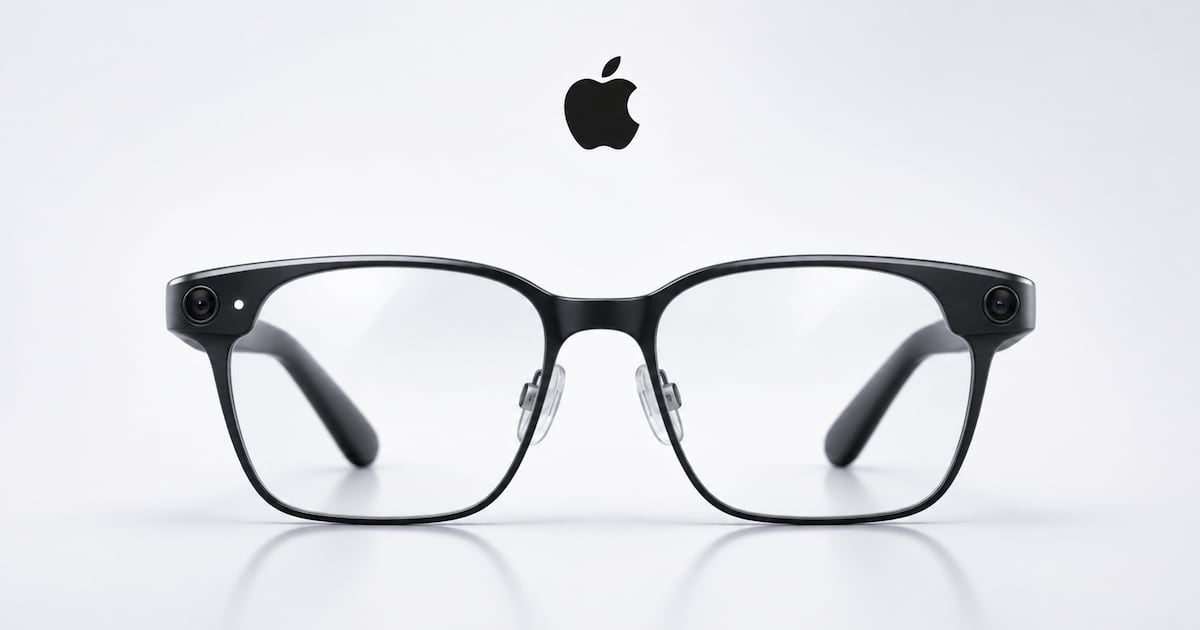
Apple targets a June 2027 unveiling at WWDC for its first smart glasses, codenamed N50, building the wearable around Siri AI and app integration rather than an augmented reality display.
Apple is pushing toward a WWDC 2027 debut in June for its long-rumored smart glasses, aiming to ship the wearable before the end of the year. According to Bloomberg News’ Power On newsletter, the global tech giant is preparing to enter an AI glasses market where Meta leads and Samsung Electronics follows.
The project, tracked internally under the codename N50, centers on a displayless design that relies on built-in cameras, speakers, and microphones to interpret the wearer’s surroundings. TCB Devices, a supplier in China, confirmed its participation in Apple’s AI glasses and camera-equipped AirPods projects through its Q3 2026 financial disclosure.
Siri AI Integration Replaces Dedicated Glasses Apps
Rather than asking developers to build standalone software for the eyewear, Apple wants them to integrate Siri controls into existing iPhone apps. The approach uses App Intents to let wearers execute tasks entirely by voice. The first beta of iOS 27.3 served as Apple’s starting point for this groundwork, introducing an advanced AI-reconstructed Siri capability that had initially been announced in 2024.
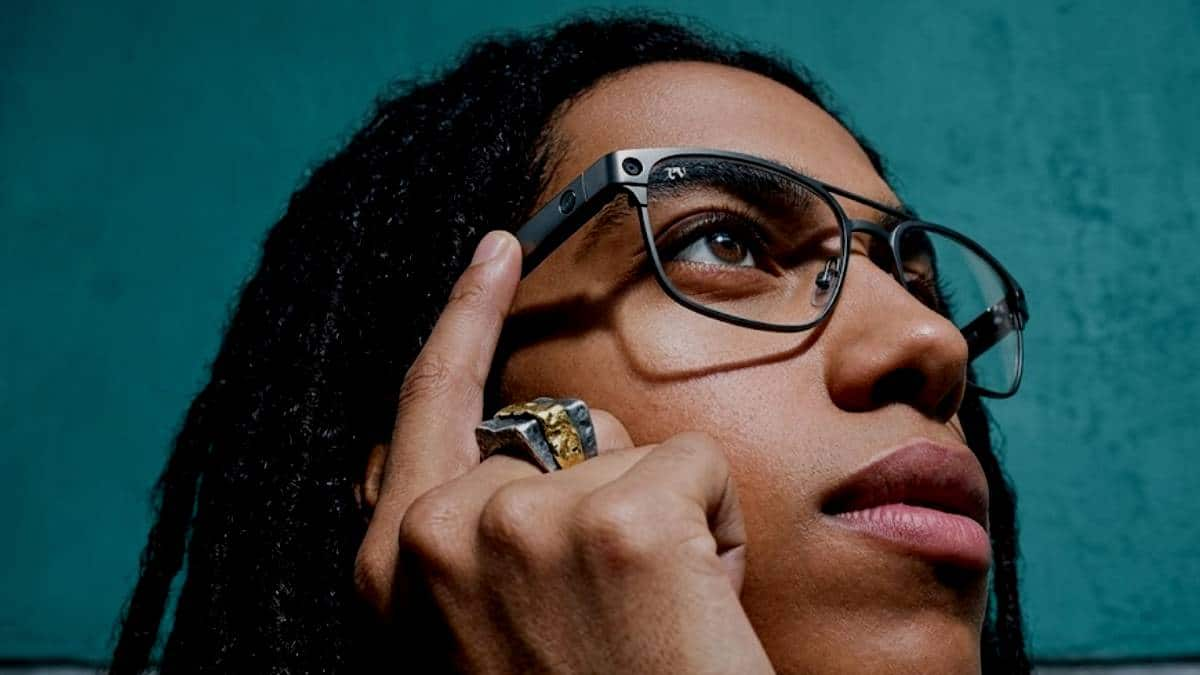
The system is designed to handle common tasks through familiar services. Spoken commands are projected to encompass pointing out structures, recommending recipes derived from items inside a fridge, providing directions, and converting foreign signs and dialogues into understandable speech.
Additional planned capabilities cover calls, messages, iPhone notifications, calendar entries, reminders, music playback control, and smart home management. Apple is also reportedly working on its own AI agent system to handle complex tasks, akin to OpenAI’s dots, Meta’s Muse, Grok Bot, and Claude Duet, though that work is not specifically tied to the glasses.
Hardware Design, Charging, and Processor Architecture
Current prototypes feature a frame that is slightly thinner than Meta’s second-generation Ray-Ban glasses, integrating cameras into flush, oval-shaped openings alongside front indicator lights. The company is using in-house styles and designs to help bring costs down and ensure aesthetic consistency with its other products.
“roughly the size of a Tic Tac,” Gurman describes a MagSafe-like charger for the prototypes said.
Apple has wanted to unveil its smart glasses at WWDC 2027 and ship them before year-end. But software is running behind, leaving both targets uncertain despite remaining in place as of today. Much of the hardware is largely finalized. https://t.co/YGnxe3Q8ax
Because the glasses lack local processing power for heavy tasks, current plans require a recent iPhone model and do not support Android devices.
Market Rivalry Against Meta and Samsung
Apple’s entry sets up an intensifying battle in the AI eyewear sector. Market research firm Omdia reported that Meta accounted for 81.3% of global AI glasses shipments in the first half of the year, while other reports place Meta’s category control around 94% with its third-generation Ray-Ban lineup.
Meanwhile, Samsung Electronics and Google are also investing heavily in smart glasses, joining the expansion of a category where global shipments jumped 263% year over year in the first half of 2026.
Apple employees have reportedly described the displayless N50 device as “AirPods for your face,” reflecting its reliance on audio and sensors rather than augmented reality projections. Apple is preparing its first smart glasses centered around Siri AI features, while continuing to work with developers and coordinate software capabilities.
Earlier coverage: Apple Plans Siri AI-Powered Smart Glasses, Bloomberg Report Says