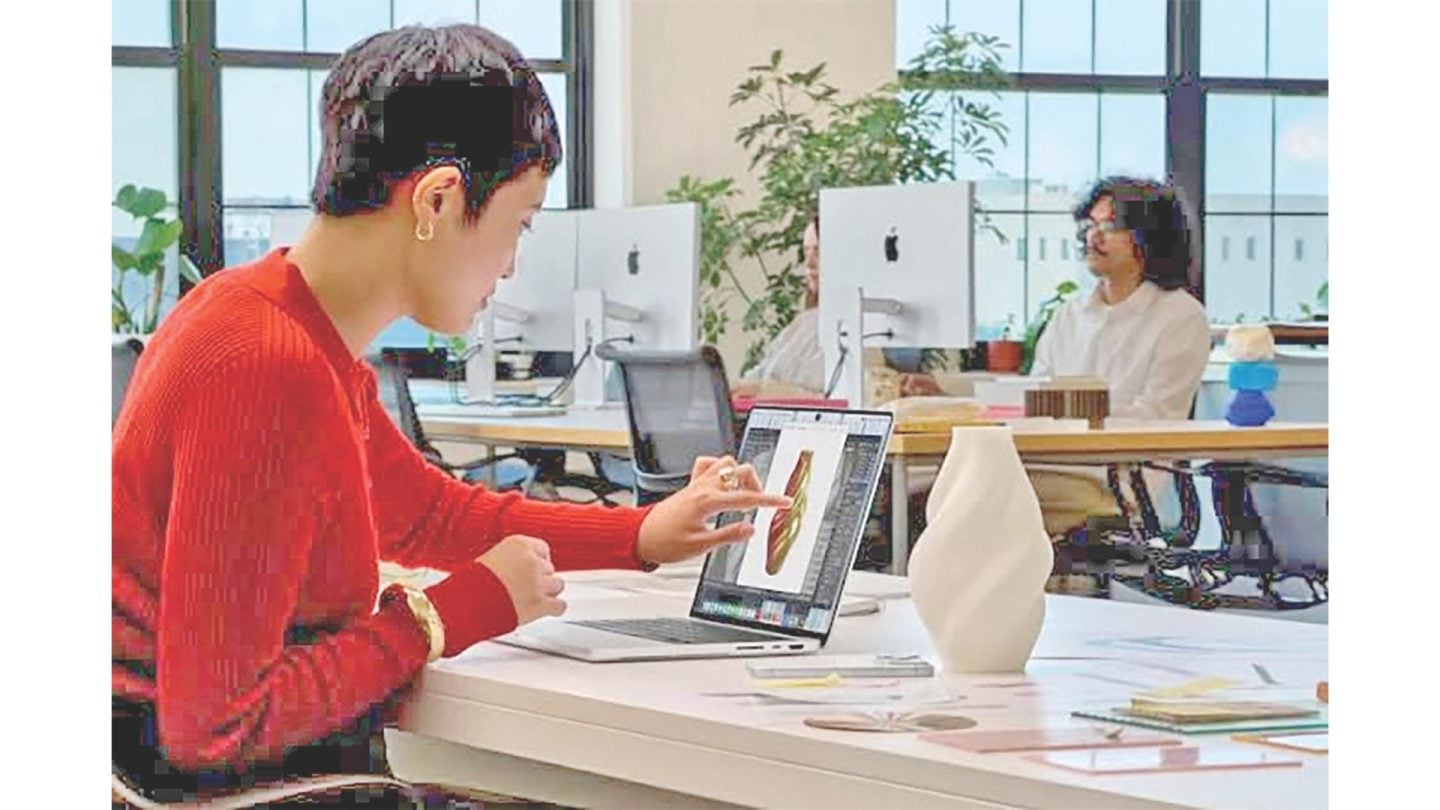
Apple has abandoned its long-held stance against touchscreen computers, announcing a new MacBook Pro featuring a built-in touch sensor and a PROLED XDR Display that goes on sale November 6.
New MacBook Pro Models Feature M5 Chips and Touchscreens
The new laptops arrive in 14-inch and 16-inch sizes, powered by either M5 Pro or M5 Max chips. Pricing for the 14-inch model starts at $2,899, while the 16-inch model starts at $3,399.
Apple integrates the touch sensor directly within the display rather than adding a separate glass layer on top. This internal placement reduces latency so the screen responds faster to swiping and scrolling.
Earlier generations of touchscreen laptops faced hardware limitations, including heavy designs, high costs, and awkward handling as tablets. The rapid rise of smartphones and tablets presented difficulties for PC makers as they tried to keep pace.
Software Adapts Existing Apps for Touch Interaction
The software translates finger touches into mouse clicks, allowing many existing apps to work with the touchscreen without requiring separate redesigns. Apple points to specific uses, noting that users can drag presentation slides, developers can test app mechanics directly, designers can sketch on screen, and musicians can play virtual instruments.
The design also incorporates the Dynamic Island from the iPhone lineup near the top of the display.
Over the years, Apple gradually advanced toward hybrid computing features, such as major software updates introduced for iPads in 2019 that added multitasking productivity tools. Apple also brought Mac software closer to iPhone software by adding features like control panels for settings and transparent liquid glass icons.
Touchscreen Laptops Remain a Minority of Global Shipments
Rivals such as Dell and Lenovo have offered touchscreen laptops for more than a decade, following Microsoft’s push with Windows 8 in 2012. Back in 2013, Tim Cook, who was then CEO, criticized competitors for trying to turn PCs into tablets and tablets into PCs.
Touchscreen devices still occupy a minority of total computer shipments. According to International Data Corporation group vice president Ryan Reith, touchscreen laptops accounted for 16.3 percent of global shipments in 2025, largely because office workers using desktop monitors find little need for touch displays.
Apple previously experimented with touch controls on the MacBook Pro in 2016 by introducing the Touch Bar above the keyboard. That narrow touch strip failed to win widespread popularity and was eventually dropped because users felt its utility did not justify the extra cost.