
Public backlash against massive data center developments has transformed into a critical flashpoint ahead of the November elections. Across the United States, voters and candidates from both political parties are pushing back, forcing prominent politicians to abruptly reverse their long-standing support.
How Local Resistance Upended State and Federal Elections
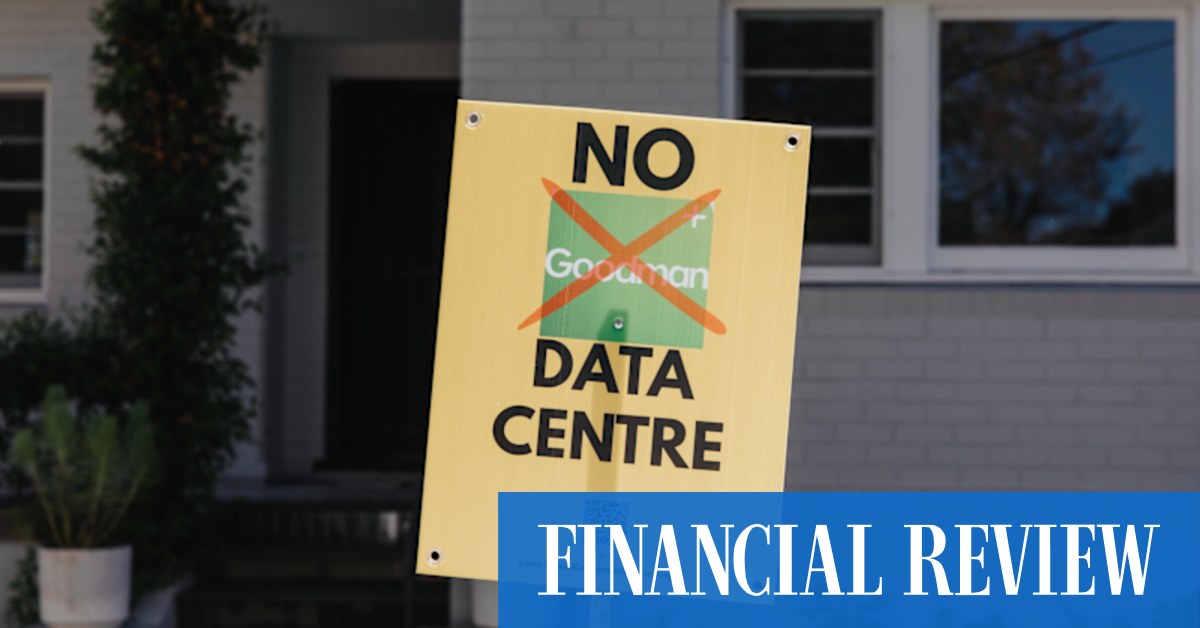
Data centers have rapidly shifted from obscure topics discussed in local zoning offices into a dominant political force across the country. In the course of a single election cycle, the infrastructure behind artificial intelligence and cloud computing has triggered sharp resistance from everyday residents. Voters in at least three dozen cities, counties, and townships will weigh ballot measures this November that could ban data centers entirely within their communities, according to Stateline.
The politicians are chasing the grassroots, they aren’t leading on the issue,
said Anthony Elmo, a public education defender with the policy group Good Jobs First, noting that politicians who were enthusiastic supporters a year ago are now opposing the projects for political survival.
Ohio Faces Political Backlash over Rapid Data Center Expansion
No state illustrates the political peril better than Ohio, which emerged as a construction hotspot after offering sales tax exemptions in the 2010s. The state now hosts 154 operational facilities with another 84 in development, giving it more data centers than all but three other states. That rapid expansion brought concerns over farmland preservation and water supplies to a head. Our attraction in Ohio was a very minimal regulatory framework, plentiful farmland and plentiful water,
said Nick Owens, an attorney with Conserve Ohio who first organized against a proposed facility in rural Brown County.
The dysfunction and unresponsiveness of government at all levels is truly sickening and frightening. Conversely, it’s one of the most beautiful things I’ve ever seen, people coming together across communities, putting partisan differences aside and uniting (to oppose data centers).
Nick Owens, Conserve Ohio attorney
The issue has disrupted established political calculations. Republican Senator John Husted, fighting to keep his seat against Democratic challenger Sherrod Brown, has softened his stance amid widespread voter opposition, while Brown has actively campaigned against new construction. The National Republican Senatorial Committee even issued a private memo warning conservative candidates that they needed to fundamentally reframe their messaging on the issue, with the party’s fundraising arm calling it a sleeper issue for the entire election cycle.
Texas is seeing a similar political pivot. Republican Governor Greg Abbott previously touted the state as the epicenter of AI development, boasting of nearly 300 operational data centers and 170 planned projects. Within months, however, Governor Abbott reversed course, citing growing worries about safety and quality of life.
Financial Strains and Investor Anxieties as Projects Face Delays
The political headwinds are already impacting the broader market. Public opposition has blocked or delayed 77 billion US dollars worth of data center projects across North America, according to research from market firm STL Partners. Major casualties include sprawling facilities proposed by firms like Blackstone-owned QTS, leaving investors worried that upcoming elections will keep equity prices for infrastructure companies in limbo.
On the corporate side, tech-backed political efforts have mobilized to respond to the backlash. Leading the Future argues that critics conflate responsible operators with speculative projects that ignore environmental standards. Yet an investigation earlier this year linked Leading the Future with a news website that used AI bots posing as journalists to solicit quotes for stories that promoted industry talking points.


