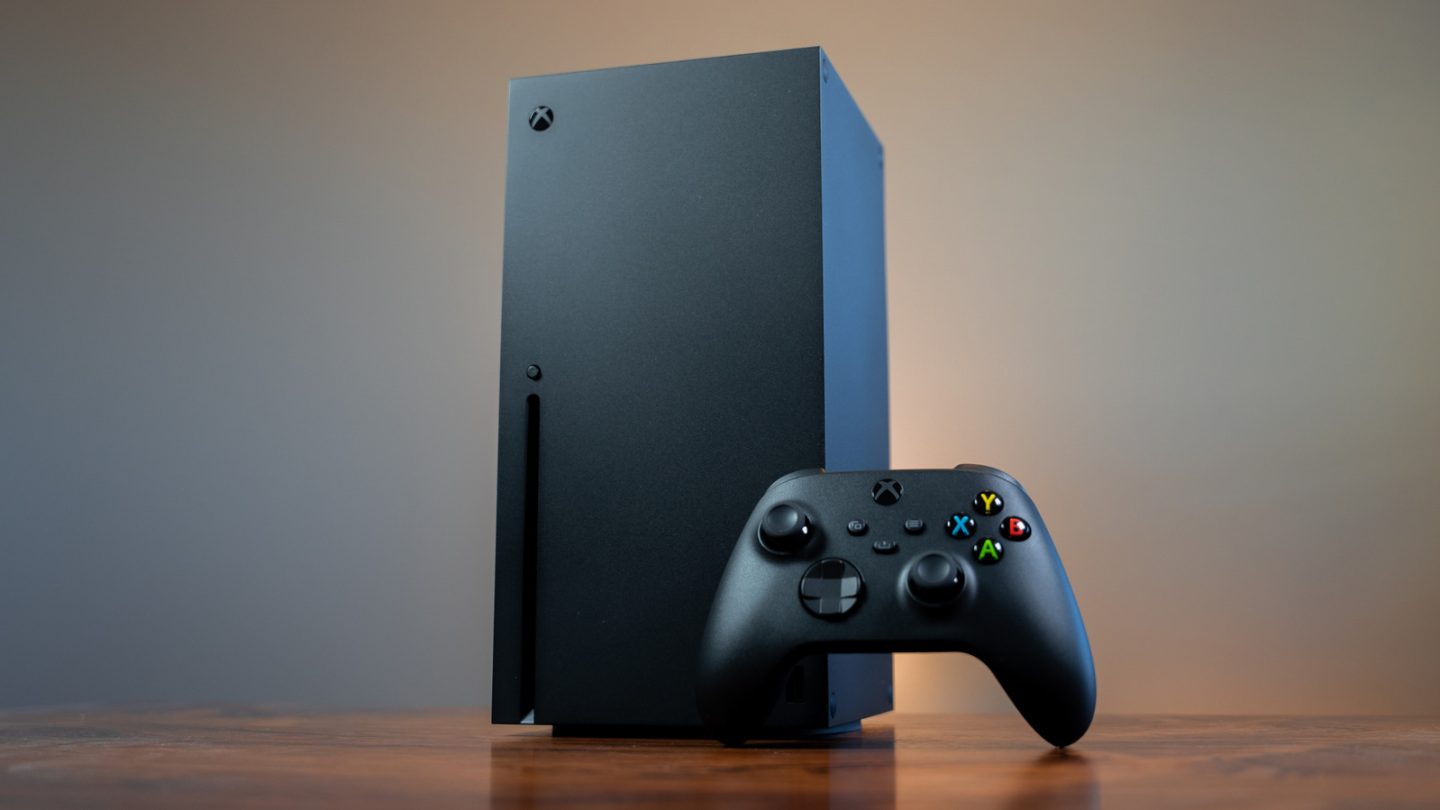
Independent developer Devran Cosmo Uenal has adapted the open-source KytyPS5 emulator into an experimental Xbox Series X application named PS5X. The software has successfully booted selected PlayStation 5 software in Developer Mode while facing severe graphics translation hurdles, a 5GB memory cap, and limited performance.
PS5X Brings PlayStation 5 Software to Xbox Hardware in Developer Mode
Console emulation has crossed a major technical boundary as independent developers find new ways to run games across competing hardware. Developer Devran Cosmo Uenal booted the PlayStation 5 version of Quake II on an Xbox Series X using an Xbox controller, marking an early milestone in cross-platform software execution.
The project, designated PS5X, adapts the open-source KytyPS5 emulator to run within Microsoft’s environment.
According to independent testing and developer documentation, the software currently supports the PS5 versions of GEX Trilogy, Hellboy: Web of Wyrd, Marvel Cosmic Invasion, and Quake II. All four titles accept Xbox controller inputs, and some feature working audio. Windows Report described Quake II running at roughly 25 to 45 FPS, although performance can drop below 20 FPS in some situations, and said input lag was easy to spot.
Since Vulkan isn’t supported, everything needs to be translated to DirectX.
Devran Cosmo Uenal, via Engadget
The software operates exclusively through Microsoft’s official Developer Mode, an environment designed for building and testing applications rather than the retail dashboard used by standard consumers.
PS5 emulation is progressing!There are now 2 active open-source PS5 emulators in development that can boot a few games!SharpEmu – https://t.co/UCbyCr89zjKytyPS5 – https://t.co/1rdYgt8YAy⚠️ Be careful to not fall for scam websites pretending to be real emulators! pic.twitter.com/ua0uxLfowj
While retail Xbox Series X games access 13.5GB of the console’s 16GB GDDR6 memory, Developer Mode limits games to 5GB of memory. Applications are limited to 1GB, restricting the emulator from handling demanding current-generation releases.
Graphics Translation Workforces and Performance Limits on Xbox Series X
Independent developer Devran Cosmo Uenal has adapted the open-source KytyPS5 emulator into an experimental Xbox Series X application named PS5X.

The Xbox Series X and the PlayStation 5 share foundational architecture. This hardware includes eight Zen 2 CPU cores, RDNA 2 graphics, and 16GB of GDDR6 memory, yet running PS5 code on Microsoft’s hardware requires complex translation layers.
On personal computers, the underlying KytyPS5 emulator relies on the Vulkan graphics interface. Because Xbox Developer Mode does not support Vulkan natively and instead relies on DirectX 11 and DirectX 12, the Xbox fork incorporates a Direct3D 12 renderer that utilizes Mesa’s spirv_to_dxil to translate shaders. This extra graphics translation means improvements made to the PC version cannot be copied over directly without additional adaptation.
Performance varies significantly depending on the title and hardware configuration.
Windows Central reported that Astro Bot ran at around 10 frames per second on the Microsoft console.
Uenal Describes PS5X as a Research Project
Uenal has described PS5X as a research project for running PS5 homebrew and game backups on the Series X, noting that the software does not include proprietary PlayStation 5 firmware or decryption keys. KytyPS5 documentation directs users to obtain game files legally and states the project has no affiliation with Sony Interactive Entertainment.
More on Xbox Series
God of War III (Remastered) on Xbox Series XLauncher coming very soonhttps://t.co/9bLE6NMdc5
You can now run your PlayStation 5 Backups on your Xbox Series. Over the past 6 weeks, I ported KytyPS5 over to Xbox. It supports Trophies, DualSense features via Xbox Controller mapping (+ Speaker and Mic), Local Coop, …https://t.co/1GcFNAHpRAhttps://t.co/Kl9crBwGDyEnjoy. pic.twitter.com/W9zZqyVVZp