
A secret surveillance floor at the Hotel Viru in Tallinn, Estonia, preserves the reality of Soviet-era espionage. Opened in 1972, the hotel functioned as a KGB listening post, using hidden microphones in walls and ashtrays to monitor foreign visitors and local staff.
The Hotel Viru as a KGB Listening Post
The Hotel Viru stands today not just as a piece of architecture from the Soviet era, but as a real-life site of espionage. When it opened in 1972, the hotel was designed to attract and impress foreign tourists visiting the Soviet-controlled Estonian capital. However, beneath the veneer of hospitality, the building served a dual purpose: it was a hub for the KGB to monitor guests and domestic employees alike.
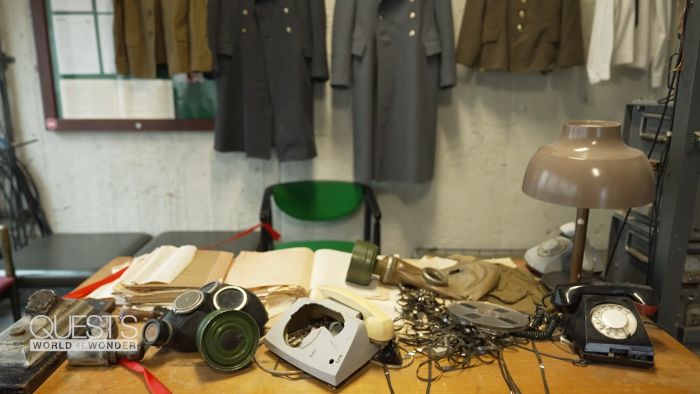
The facility was equipped with what was then considered the latest surveillance technology.
Inside the Hidden Surveillance Floor
The espionage operations were centered on a clandestine floor within the hotel. This area served as the center for intelligence officers tasked with eavesdropping. Margit Raud, a guide at the KGB museum, notes that this was a documented reality of the hotel’s daily operations.
The methods used for surveillance were pervasive. Microphones were concealed within the hotel’s infrastructure, embedded directly into the walls and hidden inside everyday objects like ashtrays to record the private conversations of unsuspecting visitors.
Operations and Staffing Under Soviet Rule
The scale of the operation required a dedicated team of personnel. Raud reports that the surveillance efforts on the secret floor were typically managed by three or four officers at any given time.
The specific room that served as the focal point for these operations has been preserved in its original state. It remains exactly as it was when Soviet intelligence officers departed the building, providing a snapshot of the technical environment they used to maintain control over the hotel’s population.
Transition to a KGB Museum
What was once a site of fear and constant monitoring has since been converted into a public museum. This transition allows visitors to see the remnants of the surveillance network firsthand. By preserving the rooms and the equipment used during the Soviet period, the museum serves as a historical record of the methods used by the state to monitor both foreign nationals and local residents.
The contrast between the hotel’s original role as a destination for foreigners and its hidden function as a tool of repression remains the central theme of the site’s history. Today, the facility offers a tangible look into the mechanics of Soviet-era intelligence operations.
Find more reporting in our Technology section.


