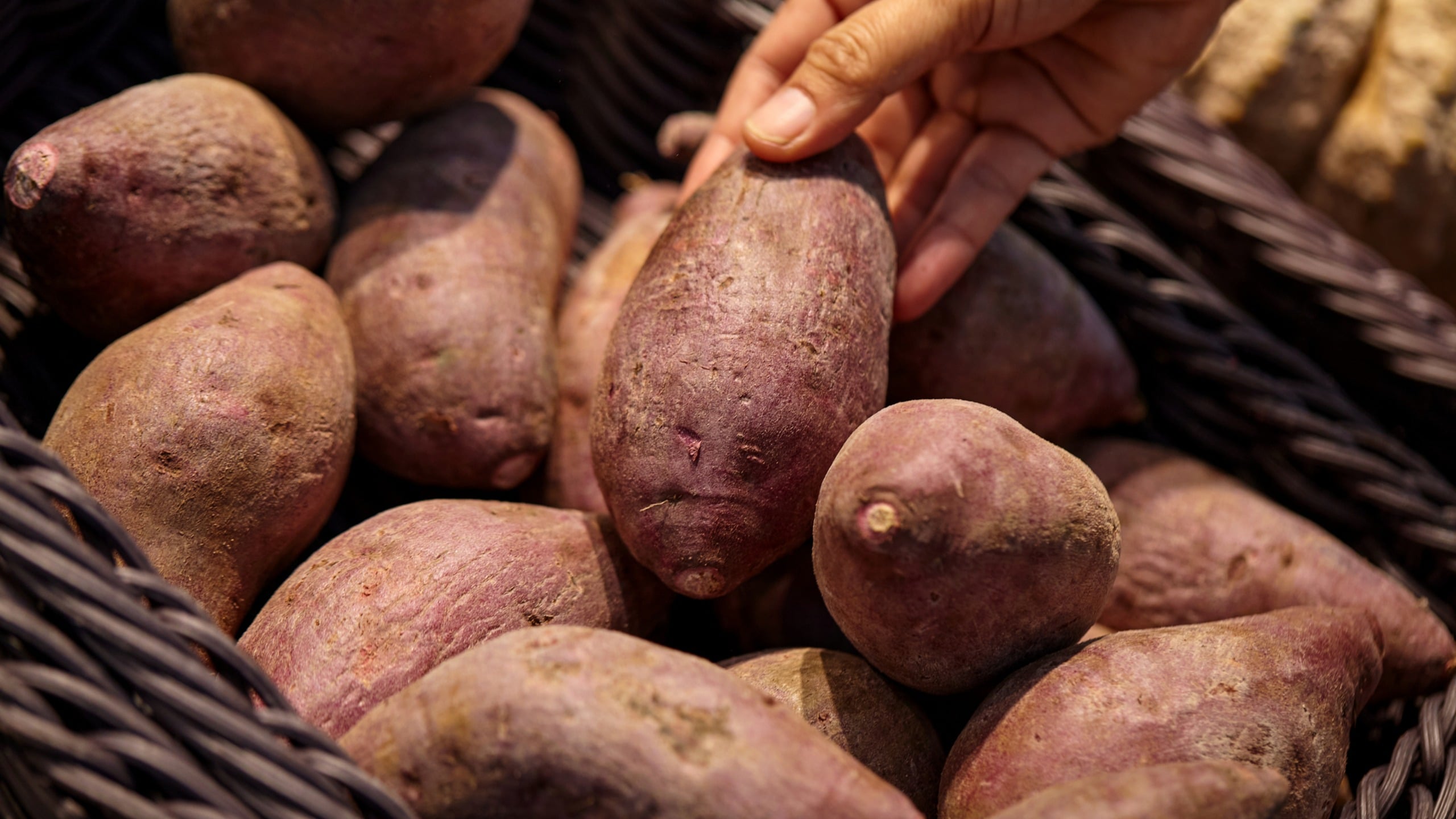
Sweet potatoes carry natural bacterial genes transferred thousands of years ago, altering how scientists view genetically modified food.
When researchers tested 291 cultivated sweet potato accessions, every single one contained foreign transfer DNA sequences originating from soil bacteria.
- All 291 tested sweet potato cultivars contain transfer DNA from Agrobacterium.
- The foreign genes were shown to be actively expressed in the cultivated crop, including in a detailed analysis of a clone named “Huachano”.
- Wild relatives of the sweet potato do not carry these specific T-DNA sequences.
How Natural Genetic Engineering Shapes Crops
Researchers analyzing the entire DNA code of sweet potatoes for viral diseases noticed unusual genetic sequences. Instead of dismissing the material as bacterial contamination, the team studied the insertions in detail, uncovering the genome of cultivated sweet potato contains Agrobacterium T-DNAs with expressed genes, published in the Proceedings of the National Academy of Sciences on April 20, 2015.
The finding indicates that an ancient infection by a microbe known as Agrobacterium transferred segments of its own DNA into the plant cell’s nucleus during evolutionary times. This process occurs across species barriers rather than through normal reproduction.
The work involved authors from multiple institutions, including the Department of Molecular Biotechnology at Ghent University in Belgium, the International Potato Center in Lima, Peru, China Agricultural University’s Beijing Key Laboratory of Crop Genetic Improvement, and the US Department of Agriculture’s Plant Genetic Resources Unit in Griffin, Georgia.
Domestication and the Selection of Beneficial Traits
The specific T-DNA present in all cultivated sweet potato clones is absent in the crop’s closely related wild relatives. This distribution suggests that the foreign genes provided distinct advantages that ancient farmers selected for during domestication.
Scientists said that these bacterial genes help plants defend against disease, withstand temperature changes, and reduce oxidative damage, as outlined in findings published in Planta in October. Additional scientific work published in August identified more than 2,600 species of naturally occurring GMO plants, with researchers estimating that 12 percent of all land plant species may carry DNA inserted by bacteria.
Implications for the Definition of Transgenic Crops
Biotechnologists use Agrobacterium to incorporate T-DNA into plants for modern GMO technology, using a discovery made in the late 1970s. The discovery in sweet potatoes demonstrates that nature accomplished this extra step millennia before human engineering began.
The natural presence of Agrobacterium T-DNA in sweet potato and its stable inheritance during evolution is a beautiful example of the possibility of DNA exchange across species barriers. It demonstrates that genetic modification also happens in nature. In comparison to “natural” GMOs, that are beyond our control, human-made GMOs have the advantage that we know exactly which characteristic we add to the plant.
Prof. Lieve Gheysen, researcher
Because the crop has been consumed safely for millennia, the finding challenges the perceived unnatural status of transgenic crops. Additional research identified similar bacterial-derived genes in other everyday plants, suggesting that natural GMO food crops are widespread. Foreign genes are found in Thanksgiving staples, the cinnamon of pumpkin pies, the pepper cracked over turkey, and coffee sipped after a meal.