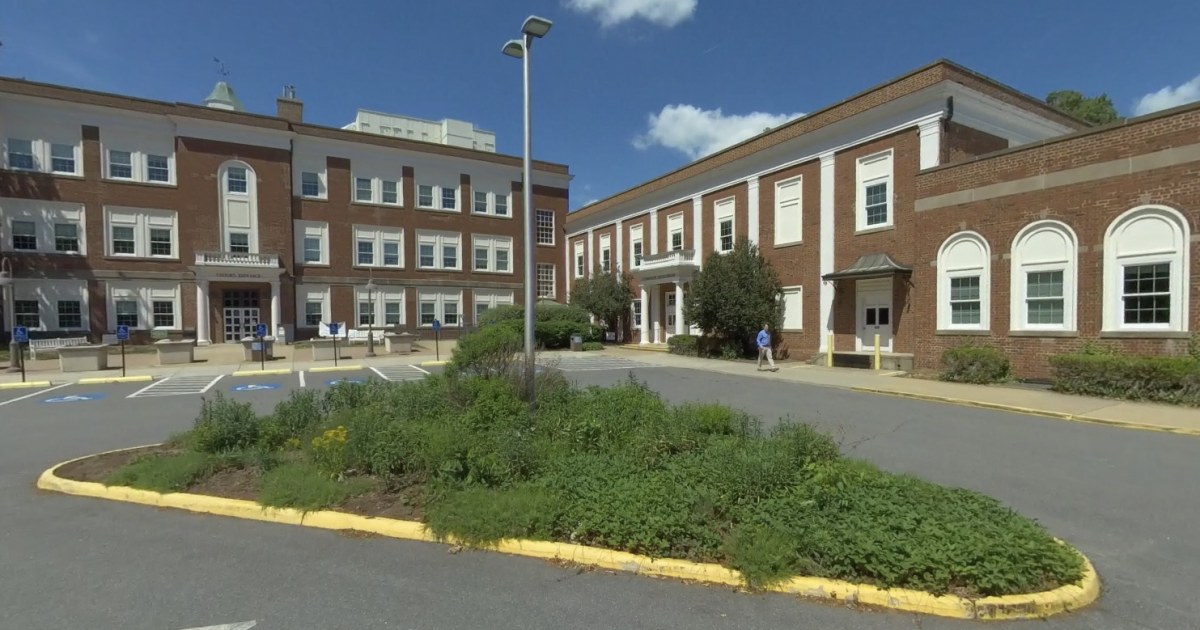
Joint search and rescue teams recovered 13 gold miner bodies from two illegal mine shafts in Bogor by November 26, 2026.
Thirteen gold miners were confirmed dead after floodwaters and mud breached two illegal mine shafts in Bogor on Monday prompting simultaneous criminal raids and government investigations into the region’s unlicensed mining operations.
- Thirteen miners died after mud and water flooded shafts in Gunung Butak on November 23, 2026.
- Police raided an illegal gold processing facility in Leuwiliang and seized cash and chemicals.
- State mining firm Antam reported 1,170 illegal mining points closed up to October 2026.
Tragedy at the Ciseureuh River Shafts
Heavy rains triggered a sudden rise in the Ciseureuh River around 18.00 on Monday, November 23, 2026, sending a surge of water and thick mud into two illegal mining shafts in Gunung Butak, located in Bantarkaret Village, Nanggung District, Bogor Regency. Approximately 26 miners were inside the shafts when the flood struck at 23.00, according to local police reports.
By November 26, 2026, joint search and rescue teams recovered 13 bodies from the workings. Search operations faced severe hazards, including narrow pit openings, slippery terrain, minimal lighting, and rising water levels driven by ongoing rain and subterranean seepage.
Now continuing the search and evacuation efforts for the 13 other victims who are still inside the mining shaft.

Police Identify All 13 Recovered Miners
West Java Police deployed a Disaster Victim Identification team to the Antam Pongkor complex to process the recovered remains. Families registered missing relatives at the post starting November 25, 2026, after which forensic examiners matched antemortem and postmortem records.
By November 27, 2026, authorities confirmed the identities of all 13 recovered victims and returned them to their families. The identified miners included Haer, Andres, Arul Ramdani, Egi, Adung, Rais, Mahdiani, Didi, Rowi, Tabroni, Juhata, Jakarsih, and Dodi Mardina, originating from various local communities across Bogor Regency.
All of them have been identified and handed over to their families.
Kombes Iwansyah, Head of Medical and Health Division for West Java Police
Police Raids Target Illegal Processing Sites
While rescue and recovery efforts continued in Nanggung, Bareskrim Polri launched simultaneous enforcement actions. Investigators raided an illegal gold processing facility in Cibeber Village, Leuwiliang District, arresting a suspect identified as Nandar, also known as Midun.
During the raid on November 26, 2026, officers seized 31 processing units, three mud vats, two compressors, two burning tools, mercury-laden bottles, cyanide powder, transaction records, pure silver and gold samples, a red pickup truck, and Rp 321,051,000 in cash. Investigators stated the facility processed material sourced from unauthorized mining networks in the Mount Halimun Salak region.
This Cahaya Gemilang Farm belongs to the suspect Nandar alias Mitun.
Kombes Bismo Teguh Prakoso, Director of Special Crimes for Bareskrim Polri
Investigation Into Financial Backing and Oversight
West Java Police Chief Inspector General Hengki said that investigators are aggressively pursuing the financial backers and any protective figures or collaborators who facilitated the illicit operations in the Gunung Pongkor area. Authorities emphasized that enforcement will target not only manual laborers, commonly called gurandil, but also any individuals or officials providing illicit security for the network.

I don’t care if he is backing them or not, especially if he is backing activities like this, I will take firm action.
Irjen Pol Hengki, West Java Police Chief
Parliamentary leaders have also entered the debate, with House of Representatives Commission XII member Ratna Juwita Sari criticizing the Ministry of Energy and Mineral Resources for reacting only after fatalities occur. Representatives said that repeated disasters indicate systemic flaws in field supervision and called for formalized parliamentary reviews to establish permanent closures and transparent risk mapping.
The state must not continuously be caught off guard and only show up after casualties have fallen.
Expanding Investigations and Safety Measures
West Java Police Chief Inspector General Hengki visited the PT Aneka Tambang Pongkor business unit to inspect the disaster zone and coordinate multi-agency enforcement strategies. He said that investigators are actively pursuing any local officials or individuals suspected of offering protection or financial backing to illegal mining networks.
PT Aneka Tambang corporate representatives reported that the company has repeatedly sealed thousands of unauthorized entry points across the licensed concession.
Parliamentary Demands for Oversight Reform
House of Representatives Commission XII member Ratna Juwita Sari criticized federal energy ministries for addressing mining safety only after fatalities occur. Parliamentary committees urged the government to mandate permanent closures and comprehensive field audits across all high-risk gold extraction zones.
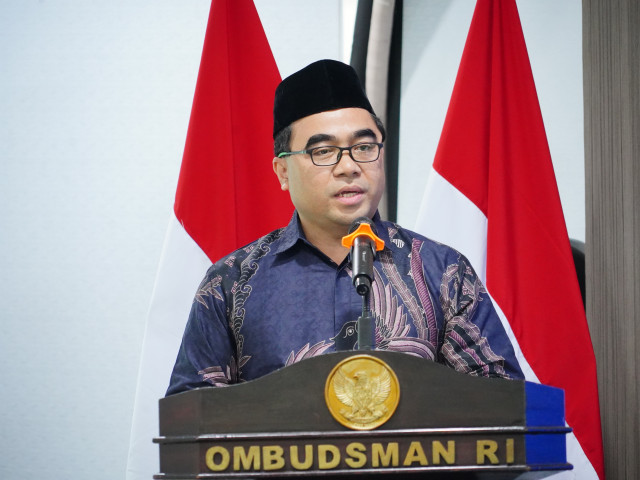
Local government officials in Bogor announced plans to coordinate with regional manpower agencies to provide vocational training for former miners. Representatives emphasized that sustainable economic alternatives are essential to permanently resolve the persistent underground incursions in the mountain district.
Debate Renews over State Miner's Security Controls
The disaster reignited debate over the effectiveness of security controls managed by state-owned mining enterprise PT Aneka Tambang Tbk, whose Pongkor business unit holds the official mining business license for the area. Antam corporate secretary Wisnu Danandi Haryanto said that the specific incident location sat outside the company’s active operational boundaries, though the firm deployed support resources to assist the joint rescue command.
According to figures cited by oversight bodies and industry monitors, Antam had closed 1,170 illegal access points around Pongkor cumulatively through October 2026. Representatives from the Indonesian Ombudsman and the House of Representatives criticized these closures as insufficient deterrence, pointing out that miners routinely reopen sealed shafts due to persistent regional economic pressures.