Google Fi Wireless has launched a “super network” feature that allows Pixel phones to automatically switch between two 5G cellular networks in real time.
The update aims to minimize dead zones and stabilize connectivity in areas with congested signals, building on the company’s history of multi-network support that dates back to the 2015 launch of Project Fi.
Automatic 5G Network Switching
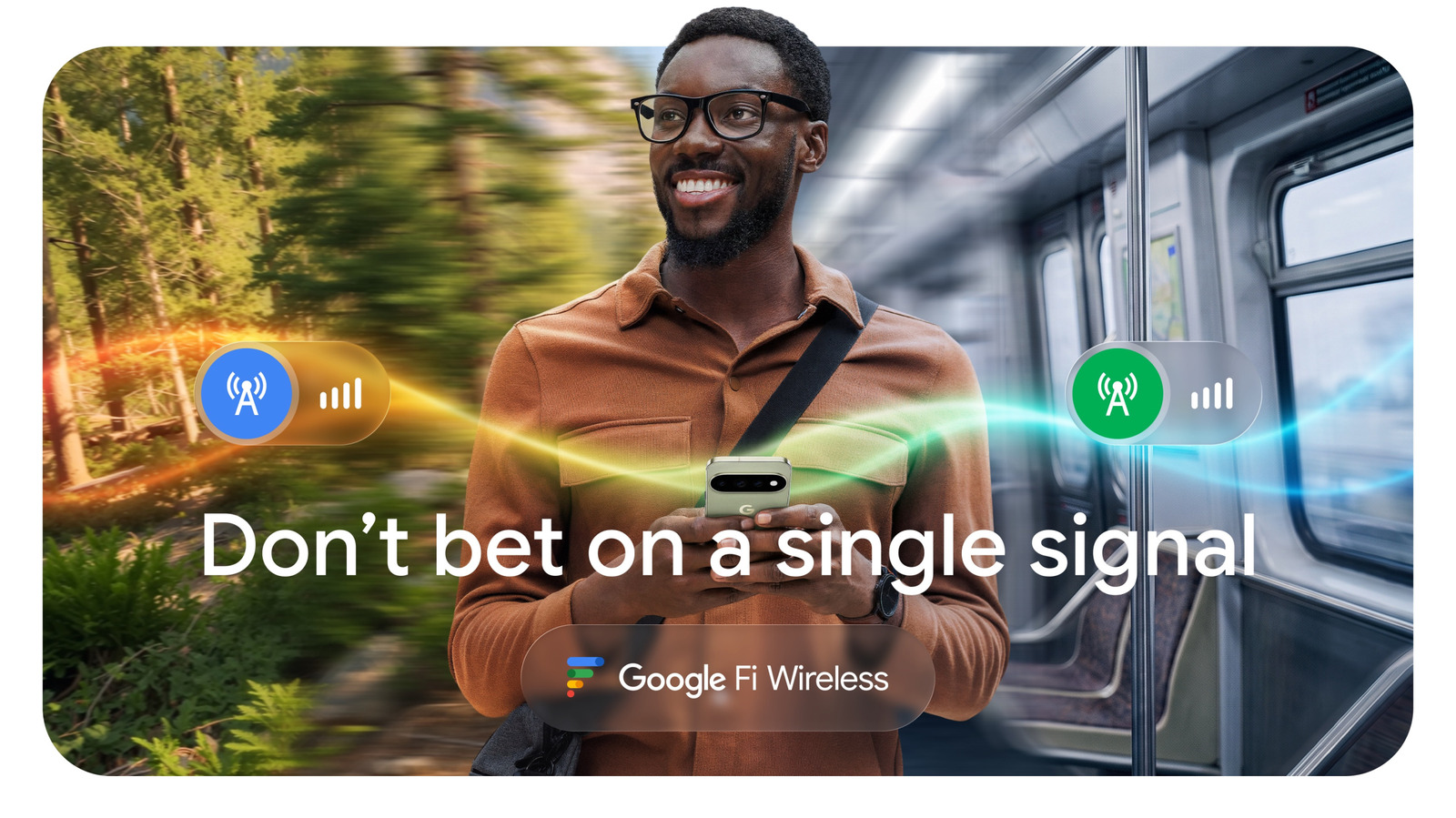
Rather than treating a secondary connection as an inactive backup, the phone maintains active links to two separate 5G networks. When the system detects that a signal is degrading due to tower interference, physical obstacles, or congestion, the software automatically shifts to the secondary connection to prevent dropouts.
According to Mauria Finley, Google Store & Google Fi VP, the super network automatically switches users between two of America’s best 5G cellular networks.
While Google Fi has historically relied on T-Mobile as its primary host, the company is not disclosing the identity of the second partner. It describes the partner only as “two of America’s best 5G cellular networks.” A Google spokesperson declined to name the second network when reached for comment.
The secondary partner is defined as a major carrier, specifically an MNO or MVNO with more than 1 million customers in the U.S. as of March 2025. This capability is currently limited to Pixel 9 and newer devices that have a Google Fi eSIM, with a requirement that no other SIMs are active on the device.
On the secondary network, subscribers receive “highest QCI priority,” meaning they are among the last to be slowed down during periods of high traffic.
Automatic Encryption Secures Connections on Pixel, Samsung, and Motorola Devices
The service secures these connections with automatic encryption, ensuring privacy without the need for manual logins. This feature is extending beyond Pixel phones to select Samsung Galaxy models, such as the S23 and Fold/Flip 5, as well as modern Motorola devices running One UI 9 or later.
Google Fi Includes Super Network Features and Hardware Discounts
The super network and Wi-Fi Auto Connect+ features are included at no extra cost for existing Google Fi customers on Flexible, Unlimited Essentials, Unlimited Standard, and Unlimited Premium plans. Internationally, these features function across more than 200 destinations where local partner networks are available.
To mark the launch, Google Fi is offering new sign-ups large hardware discounts. New subscribers who purchase the Pixel 11 Pro can receive $500 off instantly and $599 back over 24 monthly credits, alongside a $10 monthly service credit for two years on the Unlimited Premium plan.
These offers are valid through November 18, 2026. For existing Pixel owners who are not current Google Fi customers, the company is offering 50 percent off select unlimited plans for 12 months. This promotion remains available until December 1, 2026.