Inflation rose 0.4% in October, exceeding expectations and complicating the Federal Reserve’s path toward future interest rate adjustments.
The Bureau of Labor Statistics reported Tuesday that the consumer price index increased 0.4% for the month, higher than the 0.3% gain anticipated by economists surveyed by Dow Jones. Core inflation—which excludes volatile food and energy costs—also climbed 0.3%, surpassing the 0.2% forecast. The data arrives as the central bank weighs whether to continue its recent pace of tightening or adopt a more aggressive strategy to curb persistent price pressures.
Financial markets reacted sharply to the report, with Treasury yields jumping and stocks closing lower. Traders are now pricing in a quarter percentage-point increase for the Federal Reserve’s December 8-9 meeting, while odds for a half-point hike rose to 13.6%.
Fed Governor Christopher Waller indicated in London that he would consider backing a jumbo rate hike of 50 basis points if core inflation remained at or above 0.3%.
Then, a stronger policy move may be needed. Hiking only 25 basis points [a quarter point] would put our credibility at risk, a risk I am not eager to take.
Christopher Waller
Conversely, Stephen Stanley, chief US economist at Santander, said that he remains convinced the Fed will proceed with a 25-basis-point increase, suggesting that Waller’s stance may not reflect the broader consensus among officials.

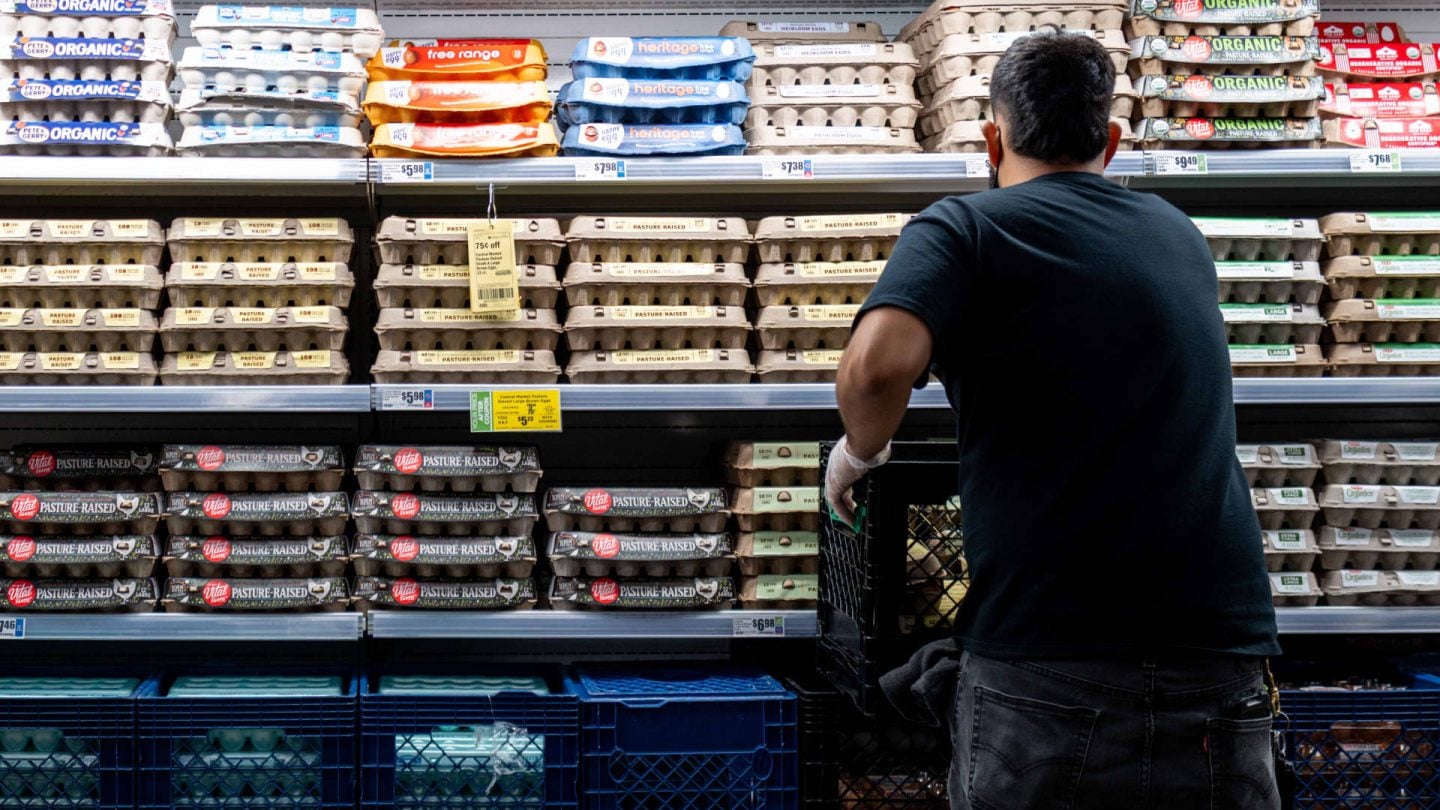
Several factors contributed to the October increase. Shelter costs, which accounted for more than 30% of the headline rise, increased by 0.3%. Meanwhile, food costs accelerated by 0.5%, driven by higher prices for snacks, beef, and other meats. Energy prices also rose 0.7%, despite recent declines in gasoline.
Anna Paulson, the president of the Philadelphia Fed, identified tariffs, energy prices, and the AI buildout as the “main factors have been keeping inflation elevated,” though she said that research suggests the impact of tariffs is “beginning to fade.” Dallas Fed President Lorie Logan observed that the inflation report was “higher than expected” and expressed concern that the personal consumption expenditures price index could also rise.
Officials are currently debating the appropriate speed for future rate moves. “It may be possible to move more rapidly this winter than the [Fed] has moved so far this fall,” Logan said, adding, “After two more increases are in place, it would make sense in my view to pause and examine economic and financial developments to determine what further action may be appropriate.”
The uncertainty regarding the pace of policy tightening is reflected in market volatility. The two-year Treasury yield, which tracks policy expectations, saw its largest single-day jump since April 2025. According to Vail Hartman, a US rates strategist at BMO Capital Markets, the combination of the October data and recent “hawkish shift in Fed-speak” has forced markets to reassess the speed of tightening.
Despite these pressures, businesses continue to plan for higher costs. A net 37% of businesses surveyed by the National Federation of Independent Business in October reported plans to raise prices in the coming three months, marking the highest level since July 2022.
Earlier coverage: October CPI Rose 0.4%, Boosting Odds of a Larger Fed Rate Hike