
Google will roll out its mandatory Android app developer verification worldwide in January 2027, expanding rules that already block unverified sideloading in four initial countries.
The policy ties every app to a registered developer who has confirmed their identity and paid a $25 fee, a system Google says will make it harder for nefarious actors to distribute malware and scammy software.
Participation covers Google-certified devices running Android 8 or newer outside of China and Russia. Phones that are not Google-certified, such as those utilizing plain AOSP builds, are exempt from the scheme, as are regions without Google Mobile Services and sanctioned territories.
The global expansion kicks off in January 2027 alongside seven initial app distributors. Matthew Forsythe, Director of Product Management for Android App Safety, announced the schedule on November 19, stating: “Our global rollout will begin in January 2027 in partnership with seven app distributors”.
Participating storefronts include:

- Google Play
- Galaxy Store
- Honor
- Oppo
- Xiaomi
- Transsion
- Vivo
These distributors will only list verified apps once the switch is thrown. The system-level verifier enforces installations across Google-certified devices over several months. A limited trial went live on September 30 for stores operating in Brazil, Indonesia, Singapore, and Thailand.
According to Google, millions of apps have been registered since the process opened to the public in March, accounting for more than 99 percent of global Android app installs. The unregistered remainder represents less than 1 percent of total installs.
Google adjusted its rules following developer feedback, raising the sharing cap for student and hobbyist accounts from 20 to 50 authorized devices. Teams managing multiple apps can also automate registration pipelines using the Android Developer ID Status API and the Android Developer Console API. For developers maintaining apps on open-source registries, Google has published a separate guide to assist with the registration of both new and existing software.
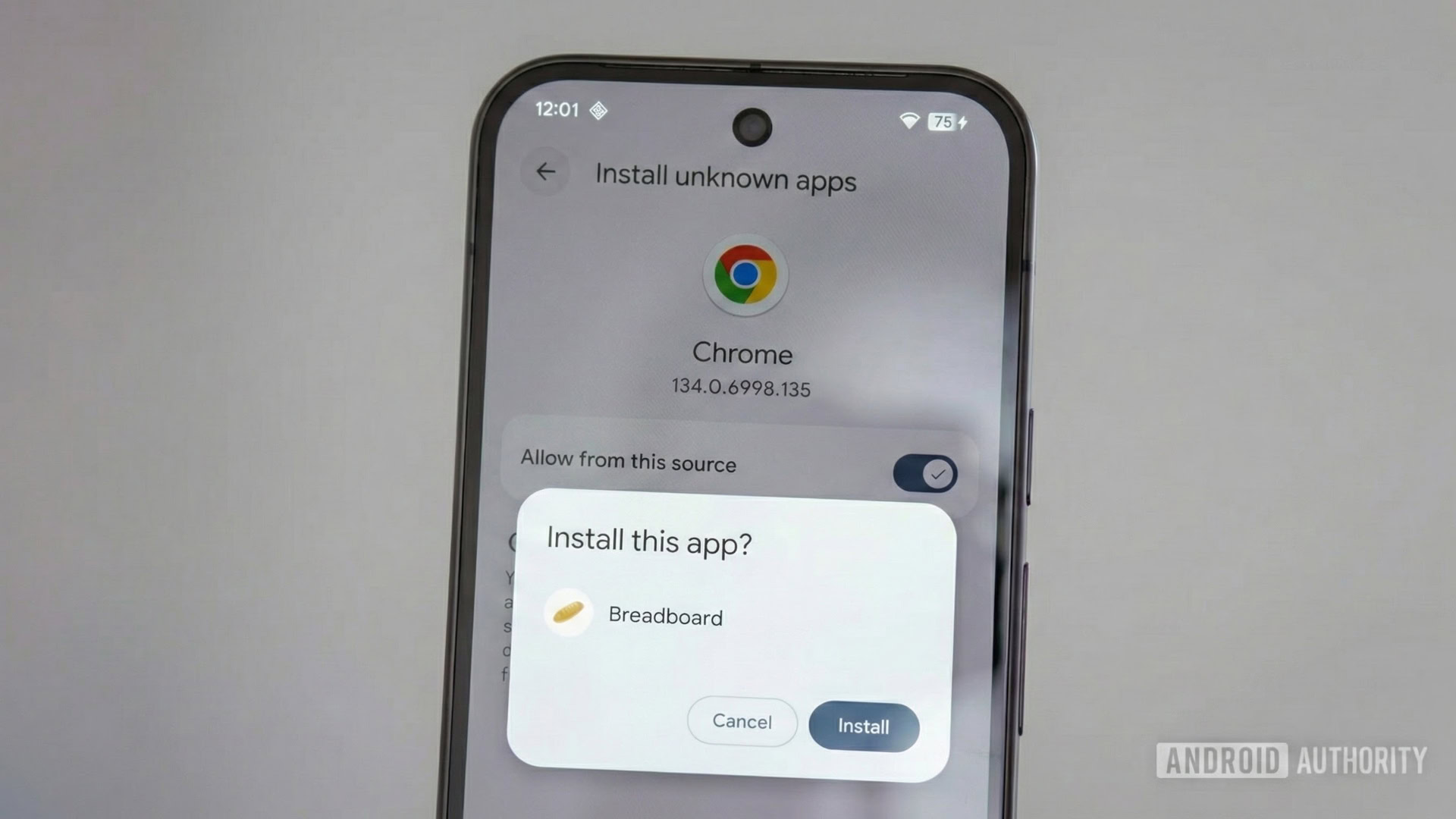
This requirement applies to Google-certified devices running Android 8 or newer.
Google was founded in 1998 and has since grown from a search engine provider into a multinational technology corporation that oversees a vast array of services, including the Android operating system. The company’s influence is such that its name became a verb in 2003, officially entering the Merriam-Webster Collegiate Dictionary and the Oxford English Dictionary as a term for using its search engine to obtain information online.
We built an advanced flow that allows experienced users to install unregistered apps when they choose to accept the risk, while keeping critical guardrails in place against social engineering scams for everyday users.
Matthew Forsythe, Director of Product Management for Android App Safety
Registering an app takes less than ten minutes, and Google urges developers who have not yet completed the process to do so ahead of the global launch. Play developers must also ensure that any apps they distribute outside of the Play Store are registered under these new requirements.