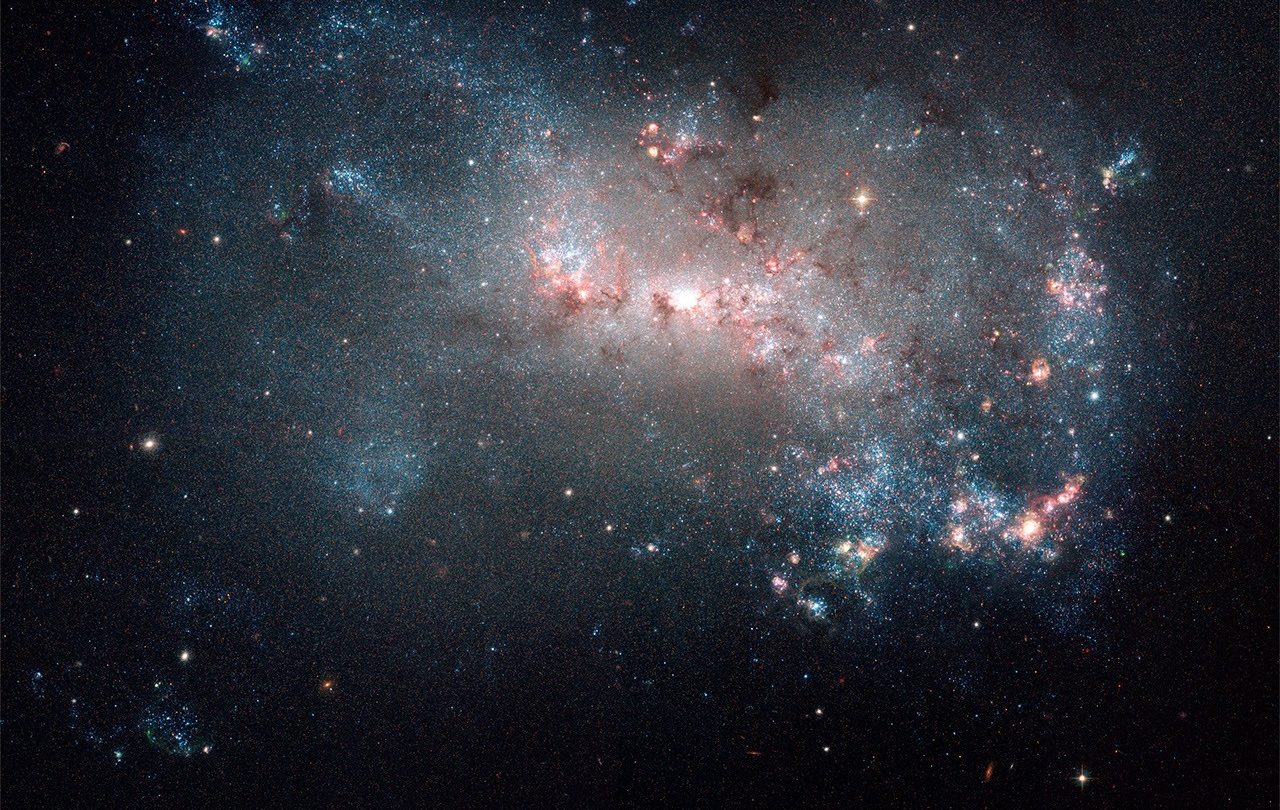
Small galaxies near the Milky Way hurl away most of the oxygen their stars produce, leaving scientists searching for missing elements that computer models predicted should stay behind.
Hubble Census of 37 Nearby Dwarf Galaxies
Researchers analyzing data from the Hubble Space Telescope studied 37 nearby dwarf galaxies, which hold anywhere from a few thousand to hundreds of millions of stars. The findings, published in The Astrophysical Journal, reveal that these systems retained an average of just 11 percent of the oxygen their stars forged over time. The most efficient among them held onto roughly a quarter, while the worst retained only 4 percent.
Oxygen serves as a reliable marker for heavier elements because it is relatively easy to detect and its production is well understood. So, it’s really for practical reasons that we’ve chosen oxygen,
said Kristen Wingfield McQuinn, GLOW principal investigator at the Space Telescope Science Institute in Baltimore.
The project is jointly funded by NASA and the National Science Foundation. To perform the census, the team used Hubble images sharp enough to pick out individual stars, allowing them to reconstruct each galaxy’s star formation history and calculate how much oxygen was present across the stars, gas, and dust.
Supernovae and Stellar Winds Drive Oxygen Out of Galaxies
Most of the oxygen comes from core-collapse supernovae, the explosive deaths of massive stars. A very small fraction comes from other types of supernovae, which involve the remnants of low-mass stars becoming unstable or merging. These stellar winds and supernova explosions drive oxygen-rich gas out of the galaxies much more efficiently than state-of-the-art cosmological computer simulations predict.
Oxygen is produced by stars, which are inside of galaxies,
said Grace Telford, an astronomer at the University of Utah.
The idea is that most of the oxygen found outside these dwarf galaxies has been driven there by energy from massive stars and supernovae explosions.
Grace Telford, astronomer at the University of Utah
Earlier studies found that only a sliver of this oxygen resides in the thin halo of hot gas surrounding galaxies, known as the circumgalactic medium. Even after accounting for cooler gas, those halos likely hold at most about one-third of the total oxygen produced, leaving a substantial fraction that has likely escaped the halo entirely into the intergalactic medium.
Galactic Environment and Telescope Data Shape Oxygen Retention
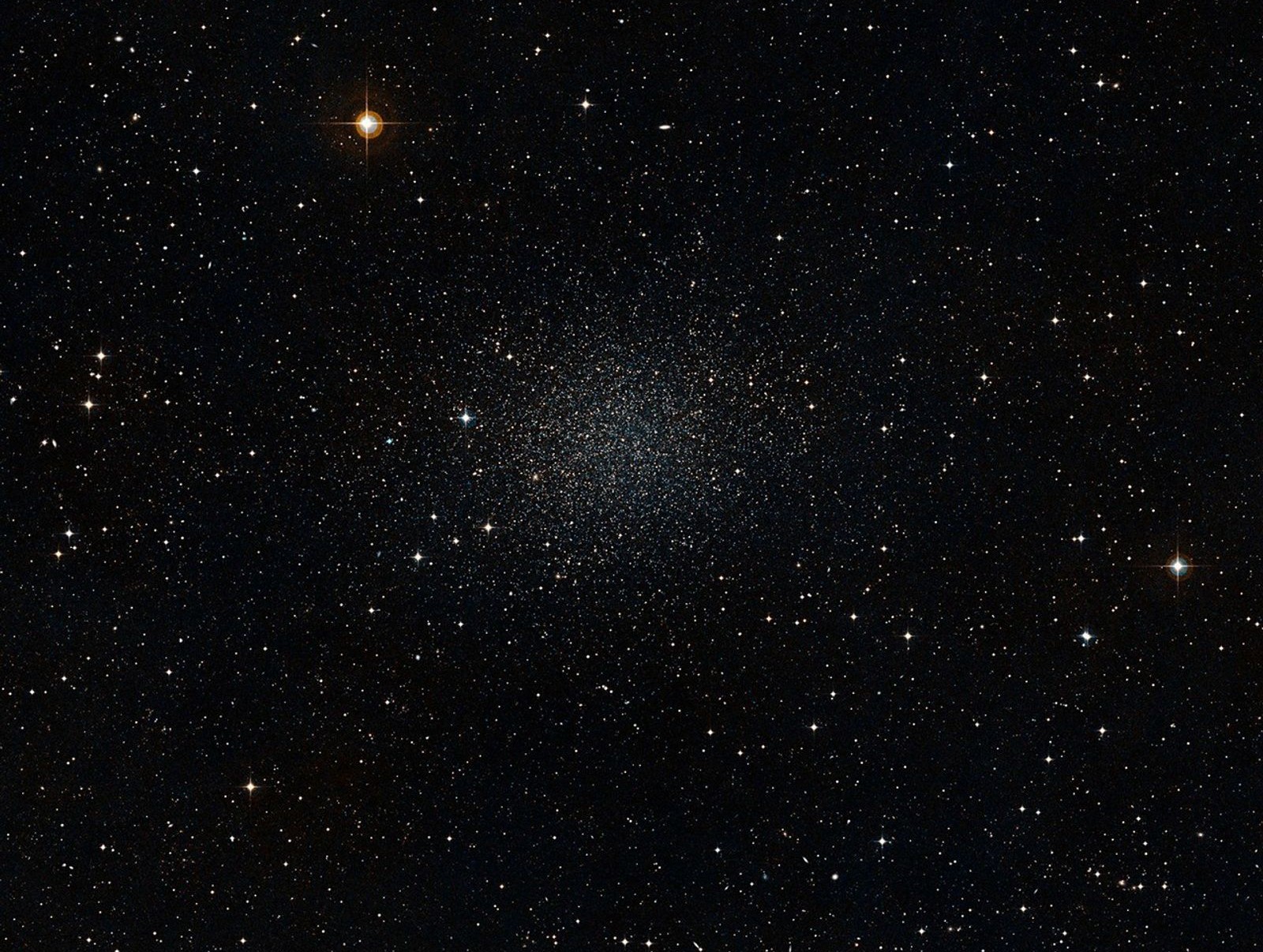
None of the selected systems orbits a big galaxy as a satellite. Researchers combined Hubble observations of individual stars with archival data from the retired Spitzer Space Telescope and ground-based radio facilities, including the Very Large Array and the Australian Telescope Compact Array.
Environment also shapes how much oxygen a galaxy retains. Galaxies situated more than 3.3 million light-years away from any massive neighbor consistently kept less than 15 percent of their oxygen.